

Cooking temp for steak: a complete guide
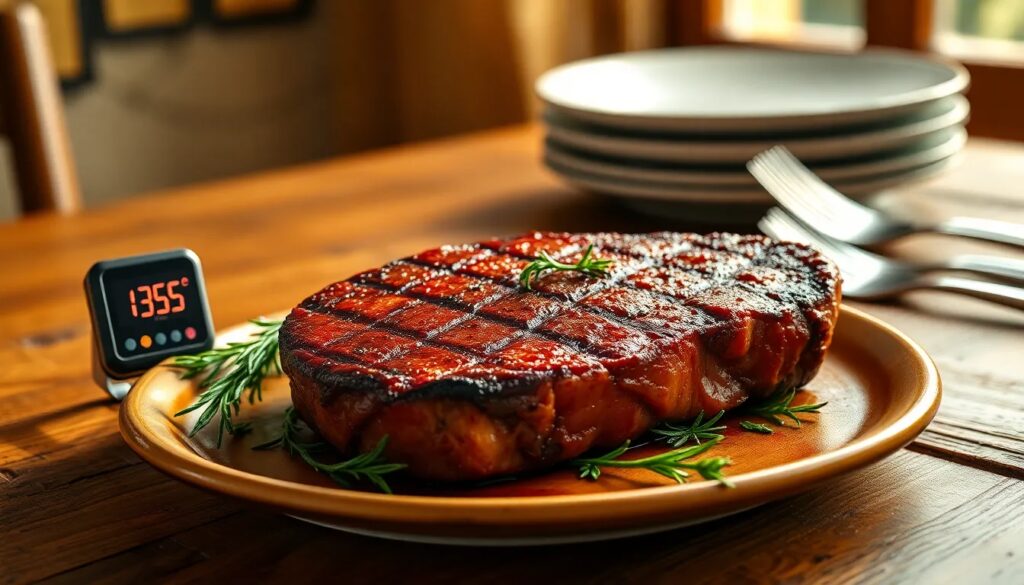
Getting the perfect steak requires understanding the right cooking temperatures. Knowing the ideal cooking temp for steak can elevate your culinary skills and impress your guests. Whether you're grilling, pan-searing, or roasting, temperature control is essential for achieving the desired doneness.
Table of Contents
- Understanding steak doneness levels
- What are the ideal cooking temperatures for steak?
- How to measure the internal temperature of steak?
- What is the best cooking temp for steak?
- How do different cooking methods affect steak temperature?
- How to achieve perfect medium rare steak every time?
- What are the common mistakes when cooking steak?
- Related questions about steak cooking temperatures
- Frequently asked questions about cooking temperatures for steak
Understanding steak doneness levels
When it comes to steak, doneness levels range from rare to well done, each offering its unique taste and texture. The doneness is primarily determined by the internal temperature of the steak. For instance, rare steaks reach around 125°F (52°C), while well-done steaks can go up to 160°F (71°C) and above. Knowing these temperatures is crucial for any steak lover.
Understanding steak doneness helps in selecting the right cut and cooking method. Each level affects the steak’s juiciness and flavor profile, so it’s essential to aim for your preferred doneness. The most popular doneness level is medium rare, which provides an ideal balance of flavor and tenderness.
Using a meat thermometer can simplify this process. It takes the guesswork out of cooking, ensuring that you achieve your desired doneness every time. The key is to monitor the temperature closely, especially as steaks can cook quickly.
What are the ideal cooking temperatures for steak?
The ideal cooking temperatures for steak vary based on the desired doneness. Here are some benchmark temperatures:
- Rare: 120°F to 130°F (49°C to 54°C)
- Medium Rare: 130°F to 135°F (54°C to 57°C)
- Medium: 135°F to 145°F (57°C to 63°C)
- Medium Well: 145°F to 155°F (63°C to 68°C)
- Well Done: 155°F and above (68°C and above)
These temperatures ensure that every steak lover can find their perfect match. When cooking steak, remember that it continues to cook slightly after being removed from the heat source, known as carryover cooking. Thus, it's often best to take it off the heat a few degrees below your target temperature.
How to measure the internal temperature of steak?
Measuring the internal temperature of steak accurately is vital for achieving the desired doneness. The best tool for this is a meat thermometer, preferably a digital instant-read thermometer. Insert the thermometer into the thickest part of the steak, avoiding bones or fat, as these can give misleading readings.
For the most accurate results, measure the temperature right before you take the steak off the heat. Different methods such as grilling, broiling, or pan-searing may require slightly different approaches, but the principle remains the same: check the thickest part.
Another method is the touch test, which involves pressing the steak with your finger to gauge its firmness. However, this method can take time to master and is less reliable than using a thermometer.
What is the best cooking temp for steak?
The best cooking temp for steak is widely considered to be around 130°F to 135°F (54°C to 57°C) for medium rare. This range provides the optimal balance of flavor and juiciness, making the steak tender and full of flavor. Cooking within this range allows the steak to retain its natural juices, contributing to a succulent texture.
However, personal preference plays a significant role in determining the ideal cooking temp. Some prefer a firmer texture and stronger flavor, opting for medium or medium-well steak. It's essential to experiment to find your perfect temperature and doneness level.
How do different cooking methods affect steak temperature?
Different cooking methods impact how steak cooks and its final temperature. Grilling is a popular choice that imparts a smoky flavor and creates a beautiful crust. During grilling, the direct heat cooks the steak quickly, so monitoring the temperature is crucial.
Pan-searing is another effective method that involves cooking the steak in a hot skillet with oil. This method can develop a great crust while also allowing for a juicy interior. The temperature may rise more steadily than on the grill, but it still necessitates close monitoring for perfect doneness.
Oven roasting is ideal for thicker cuts, allowing for even cooking. It’s common to sear the steak first and then finish it in the oven. Each method offers unique advantages and affects the internal temperature differently, so understanding these nuances will enhance your cooking skills.
How to achieve perfect medium rare steak every time?
To consistently achieve a perfect medium rare steak, start by selecting a high-quality cut of meat. Tender cuts like ribeye, filet mignon, or sirloin typically work best. Next, season liberally with salt and pepper to enhance the flavor.
Preheat your grill or pan to high heat. Sear the steak for a few minutes on each side until you achieve a nice crust. Then, use a meat thermometer to monitor the internal temperature, aiming for 130°F to 135°F (54°C to 57°C).
Once the steak reaches the desired temperature, let it rest for at least five minutes. This resting period allows the juices to redistribute throughout the meat, enhancing flavor and tenderness. Following these steps will help you achieve that perfect medium rare steak consistently.
What are the common mistakes when cooking steak?
Cooking steak perfectly can be challenging, and several common mistakes can lead to disappointment. One frequent error is cooking at too high a temperature, which can burn the outside while leaving the inside undercooked. Always preheat your cooking surface properly to avoid this.
Another mistake is skipping the resting period after cooking. Cutting into the steak too soon can lead to a loss of juices, resulting in a dry texture. Allow the steak to rest, covered loosely with foil, to keep it warm.
Finally, not using a meat thermometer is a common error. Relying solely on cooking time or visual cues can lead to overcooking or undercooking. A thermometer is your best friend in achieving precise doneness.
Frequently asked questions about cooking temperatures for steak
What temperature should steaks be cooked at?
Steaks should be cooked to varying temperatures based on the desired level of doneness. Here are the specific temperatures:
- Rare: 120°F to 130°F (49°C to 54°C)
- Medium Rare: 130°F to 135°F (54°C to 57°C)
- Medium: 135°F to 145°F (57°C to 63°C)
- Medium Well: 145°F to 155°F (63°C to 68°C)
- Well Done: 155°F and above (68°C and above)
Should steak be at 350 or 400?
The ideal temperature for cooking steak can vary depending on the method. If you're grilling or pan-searing, a higher temperature around 400°F (204°C) is generally preferred to achieve a good sear. However, if you’re roasting in the oven, starting at 350°F (177°C) can also work well, especially for thicker cuts.
What is the 3-3-3 rule for steaks?
The 3-3-3 rule is a simple guideline for cooking steak on the grill. It suggests cooking the steak for three minutes on one side, flipping it for another three minutes, and then letting it rest for three minutes before serving. This method ensures that the steak is well-cooked while allowing for a juicy finish.
How long do you cook a steak at 450?
Cooking a steak at 450°F (232°C) typically takes about 10 to 15 minutes, depending on the thickness and desired doneness. For a medium-rare finish, it's crucial to check the internal temperature with a thermometer, as cooking times can vary widely based on the cut and grill type.
If you want to know other articles similar to Cooking temp for steak: a complete guide you can visit the category Meat Preparation Techniques.


More embers