

Internal pork tenderloin temperature guide
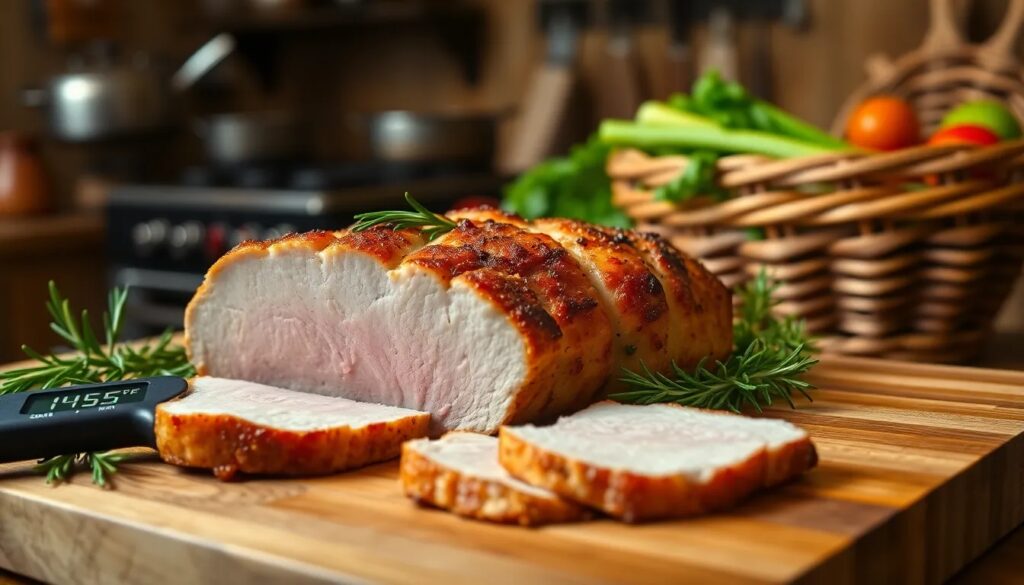
Cooking pork tenderloin to the right internal temperature is crucial for achieving both safety and flavor. Understanding the internal pork tenderloin temperature ensures that your meal is not only delicious but also safe to eat. This guide will walk you through everything you need to know to cook the perfect pork tenderloin.
From determining the ideal cooking temperature to understanding the best methods for preparation, mastering the art of cooking pork tenderloin starts with knowing the right temperatures.
Table of Contents
- How to determine the safe internal pork tenderloin temperature?
- What is the recommended internal pork tenderloin temperature?
- How long should pork tenderloin rest after cooking?
- What are the best cooking methods for pork tenderloin?
- What temperature should pork tenderloin be cooked to for optimal tenderness?
- How can you ensure pork tenderloin is cooked properly?
- What are the common mistakes when cooking pork tenderloin?
- Related questions about cooking pork tenderloin
How to determine the safe internal pork tenderloin temperature?
The safe internal pork tenderloin temperature recommended by the USDA is 145°F (63°C). This temperature is crucial for killing harmful bacteria, ensuring the meat is safe for consumption. Using a digital meat thermometer is the best way to check the internal temperature accurately.
When measuring the temperature, insert the thermometer into the thickest part of the tenderloin, avoiding any bones, which can give false readings. Let the meat rest for at least three minutes after reaching 145°F before slicing. This resting period allows the juices to redistribute throughout the meat, resulting in a juicier and more flavorful dish.
What is the recommended internal pork tenderloin temperature?
The ideal pork tenderloin cooking temperature is 145°F (63°C). Cooking it to this temperature ensures not only safety but also optimal tenderness. For those who prefer a slightly higher level of doneness, 160°F (71°C) is also acceptable, but it may result in a drier texture.
For audiences familiar with Celsius, this translates to approximately 63°C for safe consumption. It is important to note that cooking pork tenderloin past 160°F can lead to a less juicy and more fibrous texture, which many cooks seek to avoid.
- 145°F (63°C) - Safe and juicy
- 160°F (71°C) - Acceptable but may be drier
How long should pork tenderloin rest after cooking?
Resting pork tenderloin after cooking is essential for achieving the best flavor and texture. After cooking, let it rest for a minimum of three minutes. This simple step allows the juices to redistribute, preventing them from spilling out when the meat is sliced.
For optimal results, consider resting it for up to 10 minutes, especially if it’s a larger cut. This not only improves juiciness but also helps the meat retain its flavor and tenderness.
During this time, you can prepare any side dishes or sauces, making the most of your cooking time while ensuring your pork tenderloin is perfectly rested and ready to serve.
What are the best cooking methods for pork tenderloin?
There are several effective methods for cooking pork tenderloin, each offering unique flavors and textures. Here are some popular cooking methods:
- Grilling: Provides a smoky flavor and beautiful grill marks.
- Roasting: Ideal for an even cook, maintaining the tenderloin’s juiciness.
- Searing and Baking: Start on the stovetop to develop a crust, then finish in the oven.
- Slow Cooking: Perfect for infusing flavors and achieving fall-apart tenderness.
Choosing the right method often depends on the time you have and the flavor profile you desire. Each of these methods can yield delicious results if the pork tenderloin is cooked to the proper internal temperature.
What temperature should pork tenderloin be cooked to for optimal tenderness?
For the best results, pork tenderloin should be cooked to an internal temperature of 145°F (63°C). This temperature strikes a perfect balance between safety and flavor, resulting in a juicy and tender cut of meat.
Cooking it to this temperature ensures that the meat remains moist and flavorful. Higher temperatures can lead to a dry product, which is something every cook aims to avoid. Additionally, using a reliable meat thermometer can help achieve the desired doneness without guesswork.
How can you ensure pork tenderloin is cooked properly?
To ensure pork tenderloin is cooked properly, it’s essential to use a meat thermometer. Insert it into the thickest part of the meat to check for the internal pork tenderloin temperature.
Another important step is to allow the tenderloin to come to room temperature before cooking. This helps in achieving even cooking throughout the meat. Additionally, make sure to season it well before cooking, as this enhances the overall flavor profile.
Monitoring the temperature closely during cooking and allowing for proper resting after cooking will yield the best results.
What are the common mistakes when cooking pork tenderloin?
Cooking pork tenderloin can be straightforward, but several common mistakes can lead to disappointing results:
- Not using a thermometer: This can lead to overcooking or undercooking the meat.
- Skipping the resting period: Cutting into the meat too soon can result in dry pork.
- Cooking straight from the fridge: This can lead to uneven cooking. Allow the meat to come to room temperature first.
- Not seasoning well: Under-seasoning can lead to bland flavors.
By avoiding these common pitfalls, you can greatly improve your chances of serving a perfectly cooked pork tenderloin every time.
Should pork tenderloin be 145 or 160?
Pork tenderloin should ideally be cooked to 145°F (63°C) for optimal taste and safety. While 160°F (71°C) is considered safe, cooking it at this temperature can often lead to a drier texture, which is less desirable. It's advisable to aim for the lower temperature to enjoy a juicy piece of meat.
Can you eat pork at 150 degrees?
Yes, you can eat pork at 150°F (65.5°C), but it is generally recommended to cook to 145°F (63°C) for the best flavor. At 150°F, the meat may be slightly less juicy than at 145°F, but it is still safe to consume. However, for the best results and to ensure all harmful bacteria are eradicated, it is best to stick to the USDA guidelines.
What temperature should pork tenderloin be fully cooked at?
Pork tenderloin should be fully cooked at an internal temperature of 145°F (63°C). This ensures that the meat is safe to eat while retaining its moisture and flavor. For those who prefer a higher level of doneness, cooking it to 160°F (71°C) is acceptable but may sacrifice some tenderness.
Is pork tenderloin safe to eat at 135?
Pork tenderloin cooked to 135°F (57°C) is not considered safe by USDA standards. While it may be pink in the center, it does not reach the necessary temperature to kill harmful bacteria. It is recommended to always cook pork tenderloin to at least 145°F (63°C) for safe consumption.
For an engaging visual experience, check out this informative video on cooking pork tenderloin:
If you want to know other articles similar to Internal pork tenderloin temperature guide you can visit the category Meat Preparation Techniques.


More embers