

Internal temp for steak: the ultimate guide
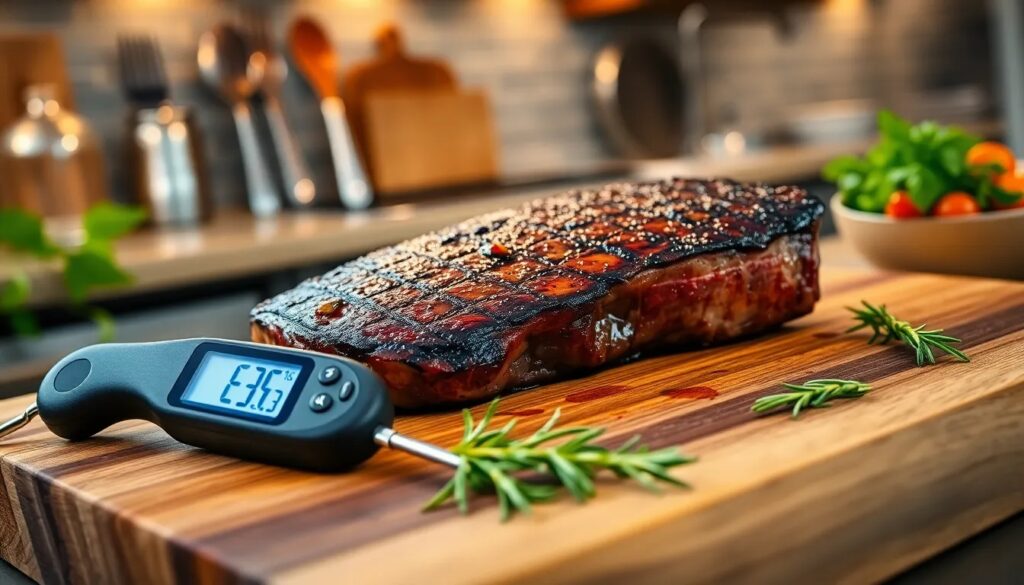
Achieving the perfect steak doneness requires precise temperature control. Understanding the internal temp for steak is crucial, as slight variations can significantly affect texture and flavor. This guide will help you master the art of steak cooking, ensuring you serve a delicious meal every time.
Whether you're a novice cook or an experienced chef, knowing how to measure and achieve the right internal temperature will enhance your culinary skills. Let's dive into the essential factors that lead to a perfectly cooked steak.
Table of Contents
- What is the ideal internal temp for steak?
- How to achieve the perfect steak doneness?
- What are the different levels of steak doneness?
- How to use a meat thermometer for accurate readings?
- What is the best cooking method for steak?
- How to rest steak for optimal juiciness?
- What are common mistakes when cooking steak?
- Related questions about steak cooking
- Frequently asked questions about steak temperatures
What is the ideal internal temp for steak?
The ideal internal temperature for steak varies based on the desired doneness. Here are the key temperature milestones for various levels of steak doneness:
- Rare: 48°C (118°F)
- Medium rare: 57°C (135°F)
- Medium: 63°C (145°F)
- Medium well: 68°C (154°F)
- Well done: 73°C (165°F)
Knowing these numbers helps you achieve the perfect doneness. Remember that steaks continue to cook even after being removed from heat, so it’s wise to take them off slightly before reaching the target temperature.
The internal temp for steak is crucial for safety and flavor. Undercooked meat can present health risks, while overcooked steak loses its juiciness. Hence, a good meat thermometer is essential.
How to achieve the perfect steak doneness?
To achieve the perfect steak doneness, you must invest time in understanding cooking techniques. Start by selecting the right cut of steak, as different cuts respond uniquely to cooking methods. A ribeye, for instance, has a different texture compared to a filet mignon.
Another aspect to consider is the cooking method. For instance, grilling and pan-searing can create a beautiful crust while maintaining a juicy interior. Use high heat to sear the outside quickly while keeping the inside tender.
Additionally, resting the steak after cooking is vital. This process allows the juices to redistribute, enhancing flavor and tenderness. A good rule of thumb is to rest your steak for about five to ten minutes before slicing.
What are the different levels of steak doneness?
Understanding the various levels of steak doneness is essential for every cook. Each level offers a unique flavor and texture profile:
- Rare: Bright red center, soft texture.
- Medium Rare: Warm red center, firmer than rare but very juicy.
- Medium: Pink center, moderate juiciness.
- Medium Well: Slightly pink center, less juicy.
- Well Done: Cooked through, no pink, very firm.
These doneness levels don't just affect taste but also the overall experience of the meal. Learning how to communicate these preferences to guests or family members can elevate your hosting skills.
Choosing the right doneness also depends on the cut of steak. Some cuts are best enjoyed at medium rare, while others, like flank steak, may be better suited for medium.
How to use a meat thermometer for accurate readings?
Using a meat thermometer is one of the best ways to measure steak temperature. To ensure accuracy, follow these tips:
- Insert the thermometer into the thickest part of the steak, avoiding bone or fat.
- Wait for the reading to stabilize before checking the temperature.
- Consider using a digital meat thermometer for quick, accurate results.
Understanding how to read your thermometer correctly is essential for achieving the desired doneness. If you’re using a dial thermometer, remember that it can take longer to provide an accurate reading compared to digital thermometers.
Additionally, make sure to calibrate your thermometer regularly to maintain its accuracy. This simple step can make a significant difference in your cooking results.
What is the best cooking method for steak?
The best cooking method for steak often depends on personal preference, but some techniques are universally praised. Here are a few popular methods:
- Grilling: Offers a smoky flavor and perfect grill marks.
- Pan-searing: Creates a beautiful crust and retains moisture.
- Sous vide: Ensures precise temperature control and tenderness.
- Roasting: Ideal for thicker cuts, providing even cooking.
Each method has its merits, and experimenting with different techniques can lead to exciting culinary discoveries. For instance, grilling might be perfect for summer gatherings, while sous vide can be ideal for winter cooking indoors.
Ultimately, the cooking method should complement the cut of steak and the eating experience you're aiming for. Each technique can highlight different flavors and textures inherent in the steak.
How to rest steak for optimal juiciness?
Resting is an often-overlooked step that can significantly improve the flavor and texture of your steak. During cooking, the juices are driven towards the center of the meat. Resting allows these juices to redistribute evenly, producing a juicy steak when sliced.
To rest a steak properly, follow these guidelines:
1. Remove the steak from heat.
2. Place it on a cutting board or plate.
3. Tent loosely with aluminum foil.
4. Allow it to rest for five to ten minutes.
Resting your steak is crucial for maintaining juiciness. If you cut into it too early, the juices will run out, leaving you with a dry piece of meat.
Many people underestimate this step, but taking the time to rest your steak can produce a noticeable difference in the final dish.
What are common mistakes when cooking steak?
Cooking steak can be tricky, and several common mistakes can undermine your efforts. Here are some pitfalls to avoid:
- Not using a thermometer: Guessing leads to inconsistent results.
- Skipping the resting period: This can result in dry steak.
- Overcrowding the pan: This can lower the temperature and hinder browning.
- Cooking straight from the fridge: Allow the steak to come to room temperature for even cooking.
By being aware of these common mistakes, you can improve your cooking skills and deliver a delicious steak every time.
Additionally, practicing will help you refine your techniques and develop a better understanding of the cooking process, leading to continually improving results.
Frequently asked questions about steak temperatures
What is the perfect temperature for a steak?
The perfect temperature for a steak is subjective and depends on personal preference. However, most chefs recommend medium rare at 57°C (135°F) for optimal flavor and tenderness. This temperature allows for a warm, red center while retaining juiciness.
It's essential to consider the cut of steak as well. Each cut may have different recommended temperatures, and what works for one cut may not suit another. Understanding these differences is vital for achieving your desired doneness.
What is the 3-3-3 rule for steaks?
The 3-3-3 rule refers to a method of cooking steak that emphasizes timing for best results. The rule is simple: sear the steak for three minutes on each side and then let it rest for three minutes.
This method helps develop a nice crust while ensuring the interior remains juicy. It’s a straightforward guideline that can be adapted based on steak thickness and personal preference.
Is steak safe at 135?
Steak cooked to an internal temperature of 135°F (57°C) is considered medium rare and is generally safe to eat. However, it’s important to ensure that the steak is sourced from a reputable supplier and handled correctly to minimize any health risks.
Always use a meat thermometer to confirm the temperature and ensure it reaches the desired doneness. Proper cooking practices, including avoiding cross-contamination, are crucial for food safety.
Is 145 medium rare for steak?
No, 145°F (63°C) is classified as medium doneness for steak. Medium rare is typically achieved at 135°F (57°C). Cooking steak to 145°F results in a firmer texture with less juiciness compared to medium rare.
Understanding these temperature differences is essential, as it allows you to cater to your guests' preferences while ensuring the best culinary experience.
If you want to know other articles similar to Internal temp for steak: the ultimate guide you can visit the category Meat Preparation Techniques.


More embers