

Smoke seasoning: everything you need to know
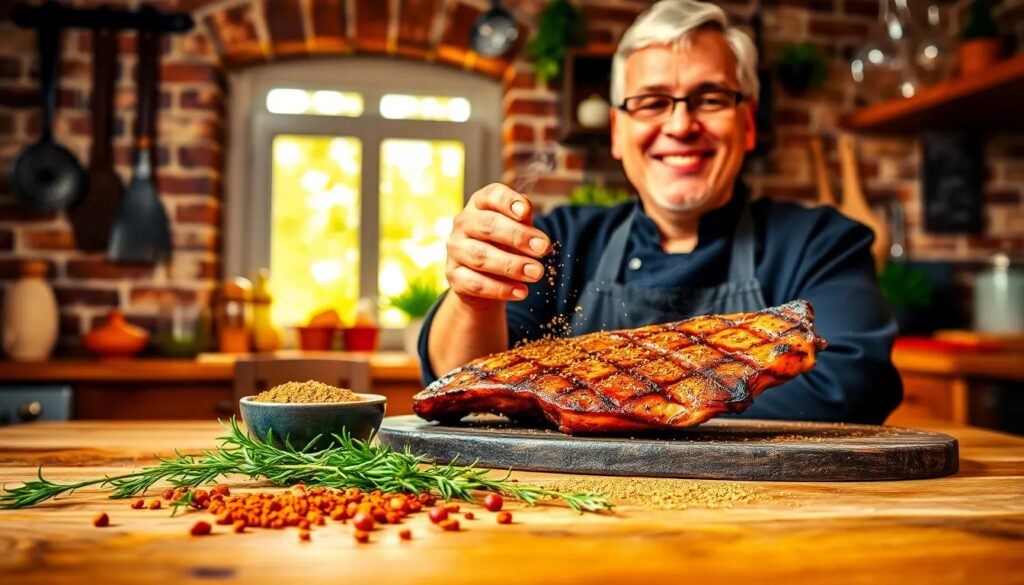
Smoke seasoning has become a popular way to enhance the flavor of various dishes, especially for barbecue lovers. This unique blend gives food a distinct smoky flavor that can transform any meal into a culinary delight.
Understanding the components and uses of smoke seasoning is essential for maximizing its potential in your cooking. In this article, we will delve into the benefits, recipes, and tips for using smoke seasoning.
Table of Contents
- The benefits of using smoke seasoning
- What is smoke seasoning made of?
- How do you use liquid smoke seasoning?
- What seasoning gives a smoky taste?
- Fire and smoke seasoning: what you should know
- Discovering the best smoke seasoning recipes
- Where to find fire and smoke seasoning nearby?
- Questions related to smoke seasoning
The benefits of using smoke seasoning
Using smoke seasoning provides numerous advantages that elevate your dishes. One of the main benefits is the ability to infuse a robust smoky flavor without the need for traditional smoking methods. This allows for versatility and convenience in cooking.
Additionally, smoke seasoning can be used on a variety of ingredients, including meats, vegetables, and even sauces. This adaptability makes it a favorite among home cooks and professional chefs alike.
Another key benefit is that it can help enhance the overall taste of a dish. By integrating smoke seasoning, you can create layers of flavor that make your meals more interesting and satisfying.
What is smoke seasoning made of?
Smoke seasoning is typically a blend of spices and flavoring agents designed to replicate the taste of smoked foods. Common ingredients include paprika, garlic powder, and onion powder, which contribute to its rich flavor profile.
In addition, some smoke seasonings contain liquid smoke, a concentrated extract that provides an authentic smoky taste. This ingredient allows for a more intense flavor without the need for actual smoking.
- Smoked paprikas
- Garlic and onion powders
- Black pepper
- Brown sugar or other sweeteners
- Salt
These components work together to create a seasoning that can easily enhance the taste of your favorite meats and vegetables.
How do you use liquid smoke seasoning?
Liquid smoke seasoning can be a game-changer in your kitchen. To use it effectively, start with a small amount, as it is quite concentrated. Just a few drops can significantly impact the flavor of your dish.
A popular method is to mix liquid smoke into marinades or sauces, allowing the flavor to penetrate the food before cooking. This ensures that the smoky taste is well-distributed throughout the dish.
- Combine liquid smoke with your favorite marinade ingredients.
- Brush it onto meats before grilling or roasting.
- Add to soups or stews for a smoky undertone.
Experimenting with the amount you use is essential, as different dishes may require different levels of smokiness.
What seasoning gives a smoky taste?
Several seasonings can provide a smoky flavor to your dishes. Aside from dedicated smoke seasonings, certain spices and blends can enhance the smokiness effectively.
For instance, smoked paprika is renowned for its ability to impart a deep, rich flavor reminiscent of traditional smoking methods. Similarly, chipotle powder offers a spicy, smoky taste that's perfect for adding depth to various recipes.
- Smoked paprika
- Chipotle powder
- Cumin
- Black pepper
These seasonings can be used individually or combined to achieve the desired level of smokiness in your cooking.
Fire and smoke seasoning: what you should know
Fire and smoke seasoning is a specific type of smoke seasoning that emphasizes a more intense flavor profile. It's often used in barbecue recipes to add depth and complexity.
When using fire and smoke seasoning, be mindful of its potency. A little goes a long way, so it's best to start with small amounts and adjust according to your taste preferences.
This type of seasoning can be used on various proteins, including beef, pork, and chicken, enhancing their natural flavors and elevating your grilling game.
Discovering the best smoke seasoning recipes
Creating delicious dishes with smoke seasoning can be both fun and rewarding. Here are a few unique recipes that showcase its versatility:
- Smoky BBQ Ribs: Rub your ribs with a mixture of smoke seasoning and brown sugar. Slow-cook until tender and serve with your favorite barbecue sauce.
- Grilled Vegetables: Toss assorted vegetables in olive oil and smoke seasoning, then grill until charred and tender.
- Smoky Bean Chili: Add smoke seasoning to your chili recipe for an extra layer of flavor.
Experimenting with different proteins and cooking methods can lead to delicious discoveries that impress your family and friends.
Where to find fire and smoke seasoning nearby?
Finding fire and smoke seasoning can be as easy as visiting your local grocery store. Many supermarkets now carry a variety of smoke seasonings, including well-known brands.
Additionally, specialty spice shops often have unique blends that are worth exploring. If you prefer shopping online, numerous websites offer a wide range of smoke seasonings available for delivery.
Some popular options include Up In Smoke All Purpose BBQ Spice and Chicks That Smoke Original BBQ Rub. These brands offer bold flavors that can enhance any dish.
What is smoke seasoning made of?
Smoke seasoning typically consists of a blend of various spices and flavor additives that mimic the effect of smoking food. Common ingredients include paprika, garlic powder, and liquid smoke, which help create a rich, smoky flavor profile.
Different brands may have unique blends, but the overall goal is to provide a seasoning that enhances the taste of meats, vegetables, and even sauces. When using smoke seasoning, it’s important to experiment to find the right balance that suits your palate.
What seasoning gives a smoky taste?
Several seasonings can impart a smoky flavor to dishes. Smoked paprika is a favorite among chefs for its ability to replicate the taste of smoked foods without the need for actual smoking. Chipotle powder, another popular choice, adds both spiciness and smokiness.
These seasonings can be used in various recipes, allowing you to achieve that desired smoky flavor in everything from marinades to dry rubs.
How do you smoke seasoning?
Smoking seasoning can be done at home using various methods. One common approach is to use a smoker or a grill, where you can expose your chosen spices to smoke from wood chips.
Simply place your spices in a small container or wrap them in foil and set them in the smoker. Allow them to absorb the smoke for a few hours, which will deepen their flavor significantly.
How do you use liquid smoke seasoning?
Liquid smoke seasoning is highly concentrated, so it’s best to use it sparingly. A few drops can significantly enhance the flavor of your dish. Incorporating it into marinades, sauces, or directly onto meats before cooking can yield delicious results.
Additionally, you can mix it with other seasonings to create your unique blends, making it a versatile tool in your culinary arsenal.
If you want to know other articles similar to Smoke seasoning: everything you need to know you can visit the category Seasoning & Marinades.


More embers