

Doneness of steak: a complete guide
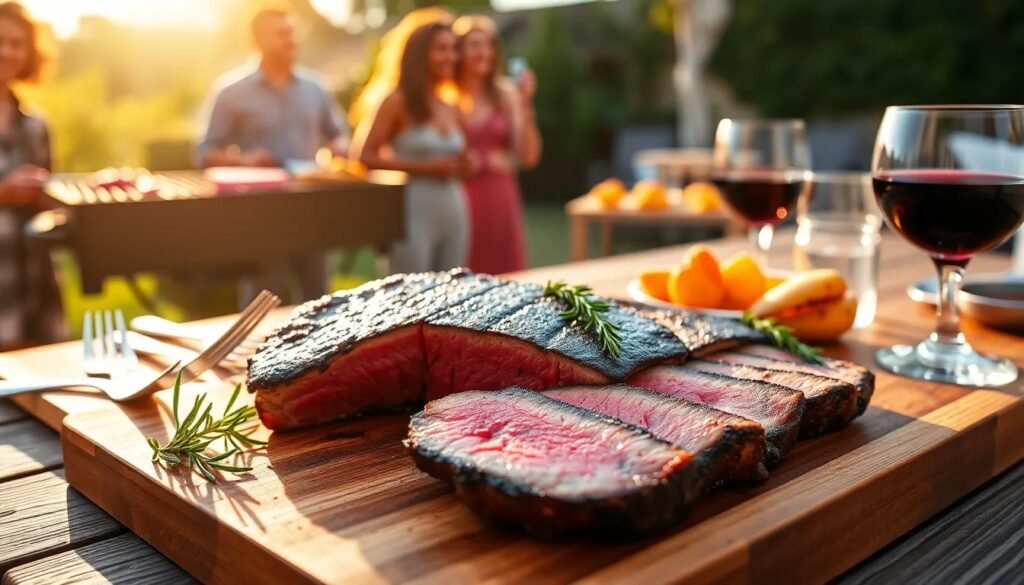
When it comes to cooking steak, understanding the doneness of steak is crucial for achieving the perfect flavor and texture. Every steak lover knows that the level of doneness can make or break the dining experience, transforming a simple meal into a gourmet delight. In this guide, we will explore the intricacies of steak doneness, including how to measure it, the different levels, and tips for ensuring your steak turns out perfectly every time.
Whether you're a novice cook or a seasoned chef, knowing the best practices for steak doneness will enhance your culinary skills and impress your guests. Let's dive into the essential aspects of steak doneness, from using a meat thermometer to understanding common mistakes.
Table of Contents
- Understanding the importance of doneness of steak
- How to use a meat thermometer for accurate doneness?
- What are the different doneness levels for steak?
- How to check doneness of steak using your hand?
- Does the finger test for doneness work?
- What is the best doneness for steak?
- How to achieve perfect doneness every time?
- Related questions about steak doneness
Understanding the importance of doneness of steak
The doneness of steak significantly impacts its flavor, texture, and overall enjoyment. Each level of doneness brings out different characteristics in the meat, from the juiciness of a rare steak to the firmness of a well-done one. Understanding these differences allows you to cater to your taste preferences and those of your guests.
Moreover, cooking steak to the right doneness is vital for food safety. Undercooked meat can pose health risks, while overcooking can lead to a dry and less enjoyable eating experience. Knowing how to achieve the perfect doneness ensures you serve a delicious and safe meal.
Lastly, the doneness of steak also affects its nutritional content. Cooking methods and temperatures can influence the retention of vitamins and minerals, making it essential to balance flavor and health benefits.
How to use a meat thermometer for accurate doneness?
A meat thermometer is your best friend when it comes to accurately checking the doneness of steak. Here’s how to use one effectively:
- Insert the thermometer into the thickest part of the steak, avoiding any bones.
- Ensure it's not touching the pan, as this can give a false reading.
- Wait for a few seconds until the reading stabilizes.
- Know the target internal temperatures for different doneness levels:
- Rare: 48°C (118°F)
- Medium Rare: 57°C (135°F)
- Medium: 63°C (145°F)
- Medium Well: 68°C (155°F)
- Well Done: 74°C (165°F)
Using a meat thermometer allows you to accurately gauge doneness without slicing into the steak. This helps retain the juices and flavor, resulting in a more succulent final product.
For best results, remove the steak from the heat just before it reaches the desired temperature, as residual heat will continue cooking the meat as it rests.
What are the different doneness levels for steak?
Steak doneness is categorized into several levels, each offering a unique taste and texture profile:
- Rare: Cool red center, very tender and juicy.
- Medium Rare: Warm red center, ideal for flavor and texture.
- Medium: Pink center, firmer texture, and more pronounced flavor.
- Medium Well: Slightly pink center, drier texture.
- Well Done: Fully cooked with no pink, firm, and often dry.
Each of these levels caters to different preferences. For example, while many chefs advocate for medium-rare as the optimal doneness for flavor, some diners prefer their steak cooked through for personal taste or health reasons.
How to check doneness of steak using your hand?
The hand test is a popular method among seasoned cooks to estimate steak doneness without a thermometer. Here’s how it works:
- Touch the fleshy area of your palm below your thumb. This is what a rare steak feels like.
- Close your thumb and index finger together. This represents medium-rare.
- Touch your thumb to your middle finger for a medium steak.
- Continue this pattern up to your pinky for medium-well and well-done.
Practicing this method allows you to recognize the texture of cooked steak by comparing it to the firmness of your hand. However, this method is subjective and may vary from person to person.
While the finger test can be useful, it’s generally less reliable than using a meat thermometer, especially for those who are not as experienced in cooking.
Does the finger test for doneness work?
The finger test for doneness can be a practical alternative to using a meat thermometer, especially when grilling. However, it has its limitations:
While many cooks swear by the finger test, scientific studies suggest it is less accurate than a thermometer, with only about 36% reliability. This means that, while it can provide a rough estimate, it may not be sufficient for precise cooking.
Nonetheless, practicing the finger test can help develop your instinct for noting doneness levels and enhance your overall cooking skills. Just remember that for the most reliable results, especially with thicker cuts, a meat thermometer is recommended.
What is the best doneness for steak?
The best doneness for steak is often a matter of personal preference. However, many culinary experts recommend medium-rare as the ideal balance between flavor, moisture, and tenderness.
Cooking steak to medium-rare ensures that it retains its natural juices and flavor. The texture is juicy and tender, making it a favorite among steak enthusiasts. This level of doneness also minimizes the risk of the steak becoming tough and chewy.
Ultimately, the best doneness level for you depends on your taste preferences. Experimenting with different levels can help you find your perfect steak.
How to achieve perfect doneness every time?
Achieving perfect steak doneness consistently involves a few key techniques:
- Start with high-quality meat for better flavor and texture.
- Allow the steak to come to room temperature before cooking.
- Use a meat thermometer for the most accurate measurement.
- Let the steak rest after cooking to retain its juices.
- Practice cooking times and techniques to develop your skills.
Another crucial factor is the importance of resting the steak after cooking. This allows the juices to redistribute throughout the meat, creating a more flavorful and juicy dining experience.
By following these tips and practicing your techniques, you'll be well on your way to mastering steak doneness!
What is the 3-3-3 rule for steak?
The 3-3-3 rule is a guideline for cooking steak on the grill. It suggests grilling the steak for three minutes on each side and then letting it rest for three minutes before serving. This method helps in achieving a good sear while maintaining a juicy interior. However, cooking times may vary based on the thickness of the steak and desired doneness.
What are the 5 stages of steak?
The five stages of steak doneness are: rare, medium rare, medium, medium well, and well done. Each of these stages signifies a different internal temperature and texture, affecting the overall dining experience. Understanding these stages is essential for cooking steak to personal preferences and achieving the best flavor.
What's better, medium-rare or well done?
Medium-rare is often considered superior to well-done due to its tenderness and juiciness. Cooking steak to medium-rare allows it to retain more moisture and flavor, resulting in a more enjoyable dining experience. Well-done steak, while safe to eat, tends to be drier and less flavorful, as the extended cooking time can lead to a loss of natural juices.
Ultimately, the choice between medium-rare and well-done depends on individual taste preferences.
If you want to know other articles similar to Doneness of steak: a complete guide you can visit the category Meat Preparation Techniques.


More embers