

Sausage hog casing: everything you need to know
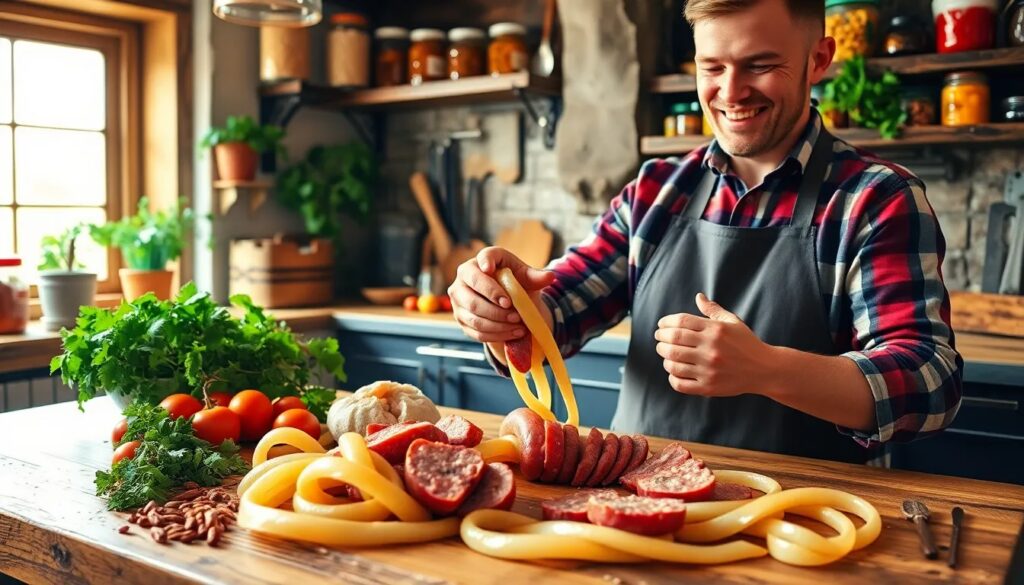
Sausage hog casings are essential for anyone involved in sausage making, whether you're a home cook or a professional butcher. These casings not only hold the sausages together but also contribute to their flavor and texture. In this article, we will explore the different types of hog casings, how to choose the right one, and where to buy them.
Understanding the nuances of sausage hog casing can greatly enhance your sausage-making experience. From natural to artificial options, we will cover everything you need to know to make informed decisions for your culinary creations.
Table of Contents
- Natural hog casings: what are they?
- What are the different types of sausage casings?
- How to choose the right sausage hog casing?
- Where to buy sausage casings near me?
- Are sausage casings edible?
- What is the process of making sausage with hog casings?
- Related questions about sausage hog casings
- Frequently asked questions about sausage hog casings
Natural hog casings: what are they?
Natural hog casings are made from the intestines of pigs. These casings are known for their ability to hold moisture and flavor, making them a top choice for many sausage makers. They are typically used in artisanal sausage production, ensuring a traditional taste and texture.
One significant advantage of natural hog casings is their breathability. This feature allows for proper curing and smoking, essential for sausages like salami or bratwurst. Additionally, using natural casings gives the sausages a snap when bitten, which many consumers appreciate.
However, natural hog casings require more preparation than artificial options. They must be soaked and rinsed properly before use to remove any salt and impurities. This step is crucial to ensure both safety and taste.
What are the different types of sausage casings?
There are several types of sausage casings available, each with its unique characteristics:
- Natural casings: Made from animal intestines, these are the most traditional option.
- Collagen casings: Made from collagen derived from animal hides, they are easy to use and available in various sizes.
- Fibrous casings: Constructed from a blend of plant fibers and cellulose, these casings are great for larger sausages.
- Artificial casings: Made from synthetic materials, these are often cheaper and easier to work with but lack the flavor benefits of natural options.
Each type of casing has its advantages and disadvantages. For instance, while collagen casings are simpler to handle, they may not provide the same flavor profile as natural hog casings. Understanding these differences is key to selecting the right casing for your sausage type.
How to choose the right sausage hog casing?
Choosing the right sausage hog casing depends on various factors, including the type of sausage you want to make. Here are some pointers to consider:
- Type of sausage: If you're making traditional sausages like bratwurst, natural hog casings are ideal. For summer sausages, fibrous casings may work well.
- Size: Casings come in various sizes, so make sure to select one that fits the sausage you plan to make. For example, small casings are perfect for breakfast links, while larger ones are designed for bolognas and other big sausages.
- Preparation: Consider how much time you want to spend preparing your casings. Natural casings require more effort to clean and prepare than collagen or synthetic options.
Ultimately, the choice of casing will affect not only the final product's taste but also its texture and appearance. Don't hesitate to experiment to find what works best for your recipes.
Where to buy sausage casings near me?
Finding quality sausage casings can be a challenge, but there are several options available:
- Local butcher shops: Many butchers sell fresh casings for sausage making. This option often guarantees quality.
- Specialty grocery stores: Some grocery stores, especially those focused on artisanal or gourmet products, may stock sausage casings.
- Online retailers: Websites like Amazon, as well as specialty food suppliers, offer a variety of casings that can be shipped directly to your door.
When purchasing, make sure to check the reviews and ratings to ensure you're getting high-quality casings. The importance of quality cannot be overstated, as it directly influences your sausage's final flavor and appearance.
Are sausage casings edible?
Yes, in most cases, sausage casings are edible. Natural hog casings are fully digestible and safe to eat. However, some consumers may be put off by the texture.
Artificial casings, such as those made from cellulose or plastics, are typically not meant to be consumed. These casings are often used for aesthetic purposes and are removed before serving. Always check the packaging to determine the edibility of the casing you are using.
For those making sausages at home, using natural casings ensures that you're providing a complete culinary experience, as they contribute significantly to the sausage's overall quality.
What is the process of making sausage with hog casings?
The process of making sausage using hog casings involves several steps:
- Preparation: Soak the natural hog casings in water for a few hours to soften them. Rinse them thoroughly to remove any salt or debris.
- Mixing the meat: Combine your chosen ground meat with spices, herbs, and any additional ingredients.
- Stuffing: Using a sausage stuffer, carefully fill the prepared casings with the meat mixture. Be mindful not to overstuff, as this can cause the casings to burst.
- Tying: Once stuffed, tie off the ends of the casings securely to prevent leakage during cooking.
The entire process requires attention to detail and care to ensure the best quality. It's essential to monitor the temperature and cooking time, especially if you're smoking the sausages.
By following these steps, you can achieve delicious homemade sausages that showcase the unique qualities of sausage hog casings.
Frequently asked questions about sausage hog casings
What are hog sausage casings made of?
Hog sausage casings are primarily made from the intestines of pigs. These natural casings undergo a cleaning and preservation process, typically involving salting to ensure they remain usable for an extended period. The result is a casing that is both durable and capable of imparting flavor to the sausage.
In addition to hog casings, you may also encounter casings made from sheep or beef intestines, each providing different sizes and flavors for various sausage types.
What part of the hog is used to make sausage?
The majority of sausages are made using the intestines of the hog. Specifically, the small intestines are preferred for their thin, pliable nature, making them suitable for a variety of sausages, from breakfast links to gourmet varieties.
In some cases, the stomachs or other parts of the hog may be used for specific sausage styles, but the intestines remain the most common source for traditional hog casings.
Is the casing on pork sausage edible?
Yes, the casing on pork sausage, particularly when using natural hog casings, is edible. These casings are made from the intestines and are designed to be consumed along with the sausage meat. They contribute to the sausage's flavor and texture.
However, if artificial casings are used, they may not be meant for consumption. Always check the type of casing before cooking and serving your sausages.
What kind of sausage is stuffed in pig casing?
Various types of sausages can be stuffed into pig casings, but some popular examples include bratwurst, chorizo, and Italian sausage. Each type benefits from the unique qualities of hog casings, including their moisture retention and flavor enhancement.
Additionally, hog casings are often preferred for their ability to hold the sausage mixture during cooking, ensuring a satisfying bite and texture.
If you want to know other articles similar to Sausage hog casing: everything you need to know you can visit the category Meat Preparation Techniques.


More embers