

How to cut brisket of beef
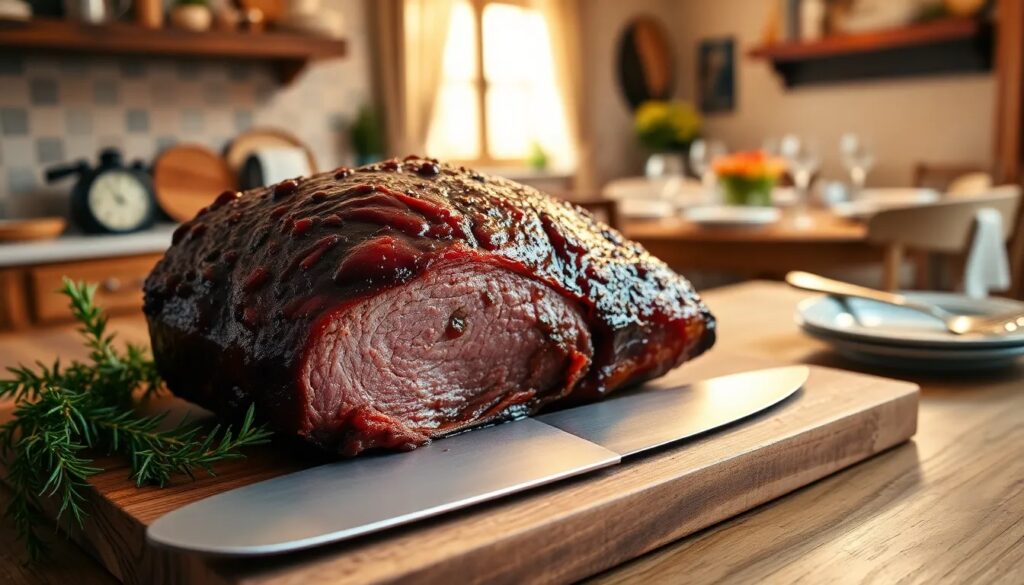
Slicing brisket properly is crucial for achieving that melt-in-your-mouth tenderness and flavor that everyone craves. This guide will walk you through everything you need to know about how to cut brisket of beef, ensuring that your barbecue experience is nothing short of spectacular.
To make the most of your brisket, it's essential to understand its anatomy, the right tools to use, and the best techniques for slicing. Let’s dive into the details.
Table of Contents
- How to slice a brisket properly
- What materials do you need for slicing brisket?
- How do you identify the grain of a brisket?
- What are the steps to cut brisket against the grain?
- How long should you rest a brisket before slicing?
- What is the best knife for slicing brisket?
- How to handle burnt ends when slicing brisket?
- Frequently Asked Questions About Cutting Brisket
How to slice a brisket properly
Slicing a brisket may seem straightforward, but it requires some skill and knowledge. The key is to cut against the grain for tenderness. When you cut with the grain, the meat fibers remain long and chewy, making for a less enjoyable eating experience.
Start by identifying the grain direction of the brisket. This is crucial for achieving those perfect slices. Once you know which way the grain runs, you can confidently slice the brisket at a right angle to it. This technique ensures that each bite is juicy and tender.
Another important aspect is the thickness of your slices. Aim for about ¼ inch thick slices. This thickness provides the best balance between appearance and texture. If your slices are too thick, they may be difficult to chew, while too thin may cause them to dry out.
What materials do you need for slicing brisket?
Having the right tools at your disposal is vital for slicing brisket effectively. Here's a quick list of must-have materials:
- Sharp serrated knife: A serrated knife glides through the meat, making it easier to achieve clean cuts.
- Cutting board: A sturdy cutting board provides a solid surface for slicing.
- Meat thermometer: This tool helps you ensure the brisket has reached the perfect temperature before slicing.
- Tongs: Use tongs to handle the brisket safely and avoid burning yourself.
- Carving fork: This helps stabilize the brisket while you slice.
Having these tools will make the process much smoother. They ensure that you can slice your brisket efficiently and cleanly, enhancing the overall presentation.
How do you identify the grain of a brisket?
Understanding how to identify the grain of a brisket is key to achieving the best results when slicing. The grain refers to the direction in which the muscle fibers run.
To identify the grain, look for the lines in the meat. They usually run in one direction, and this is the direction in which the muscle fibers are aligned. Ideally, you want to traverse these fibers by cutting perpendicular to them, which will help break them down and result in more tender slices.
One tip is to make a small cut at the edge of the brisket to see the direction of the grain more clearly. Once identified, you can confidently slice the brisket, ensuring that you’re cutting against the grain. This technique greatly enhances the tenderness of your final product.
What are the steps to cut brisket against the grain?
Cutting brisket against the grain is essential for achieving the best texture. Follow these steps to ensure perfect slices every time:
- Allow the brisket to rest: After cooking, let your brisket rest for about 20-30 minutes. This helps the juices redistribute throughout the meat.
- Locate the grain: Identify the direction of the grain by inspecting the meat closely.
- Position the brisket: Place the brisket on a cutting board with the grain facing you.
- Make the first cut: Start at one end and cut a slice about ¼ inch thick, ensuring you're cutting perpendicular to the grain.
- Continue slicing: Repeat the process, maintaining the same thickness for uniformity.
Following these steps will help you achieve that tender, flavorful brisket that everyone will love. The resting period is particularly important as it keeps the meat juicy and flavorful.
How long should you rest a brisket before slicing?
Resting your brisket is a crucial step that many people overlook. Ideally, you should let the brisket rest for 20 to 30 minutes after cooking. This period allows the juices within the meat to redistribute, enhancing overall flavor and moisture.
During resting, cover the brisket with foil to keep it warm. Avoid wrapping it too tightly, as this could create steam and make the crust soggy. Instead, allow some air circulation to maintain that beautiful bark.
If you cut the brisket too early, the juices will escape, resulting in dry meat. Therefore, waiting is essential if you want to achieve the best flavor and texture.
What is the best knife for slicing brisket?
Choosing the right knife is vital for effective brisket slicing. A sharp serrated knife is often recommended due to its ability to glide smoothly through the meat, reducing the risk of tearing.
When selecting a knife, look for one that is long enough to slice through the entire brisket in one motion. This helps maintain the integrity of each slice. A longer blade also makes it easier to control the thickness of your cuts.
Investing in a quality knife will make a significant difference in your slicing technique. A well-maintained, sharp knife will ensure clean cuts and a more professional-looking presentation.
How to handle burnt ends when slicing brisket?
Burnt ends are a delicious part of the brisket that many barbecue lovers cherish. If you're wondering how to handle them, here are some tips:
- Allow them to rest: Just like the brisket, burnt ends also benefit from resting to enhance their flavor.
- Cut into cubes: Use your knife to slice the burnt ends into bite-sized cubes. This makes them easier to serve and enjoy.
- Consider saucing: Many people like to toss burnt ends in BBQ sauce for added flavor before serving.
- Presentation: Arrange the burnt ends on a platter alongside the sliced brisket for an appealing display.
Burnt ends are often the highlight of any brisket meal, so taking the time to prepare them correctly will elevate your barbecue experience.
Frequently Asked Questions About Cutting Brisket
What is the correct way to cut brisket?
The correct way to cut brisket involves knowing how to identify the grain and slicing against it. Start by allowing the brisket to rest, then locate the grain direction. Once identified, slice at a right angle to the grain, creating uniform slices of about ¼ inch thick. This technique enhances tenderness and ensures a delightful eating experience.
Do you cut a brisket against the grain or with the grain?
You should always cut a brisket against the grain. Cutting against the grain shortens the muscle fibers, resulting in a more tender bite. If you slice with the grain, the meat will be tough and chewy, which is not what you want in a delicious brisket.
What is the 3/2:1 rule for brisket?
The 3/2:1 rule is a popular guideline for smoking brisket. It suggests that you smoke the brisket for 3 hours, wrap it in foil and cook for an additional 2 hours, and finally let it rest for 1 hour. This method helps achieve a tender, flavorful brisket while also developing a nice bark on the outside.
What is the proper way to trim a brisket?
Properly trimming a brisket involves removing excess fat and any hard pieces that could affect cooking. Start by placing the brisket fat side up and removing about ¼ inch of fat. Be careful not to cut into the meat itself. This trimming allows for better seasoning penetration and can help render the fat during cooking, resulting in a more succulent brisket.
If you want to know other articles similar to How to cut brisket of beef you can visit the category Meat Preparation Techniques.


More embers