

Hamburger internal temp guide for perfect cooking
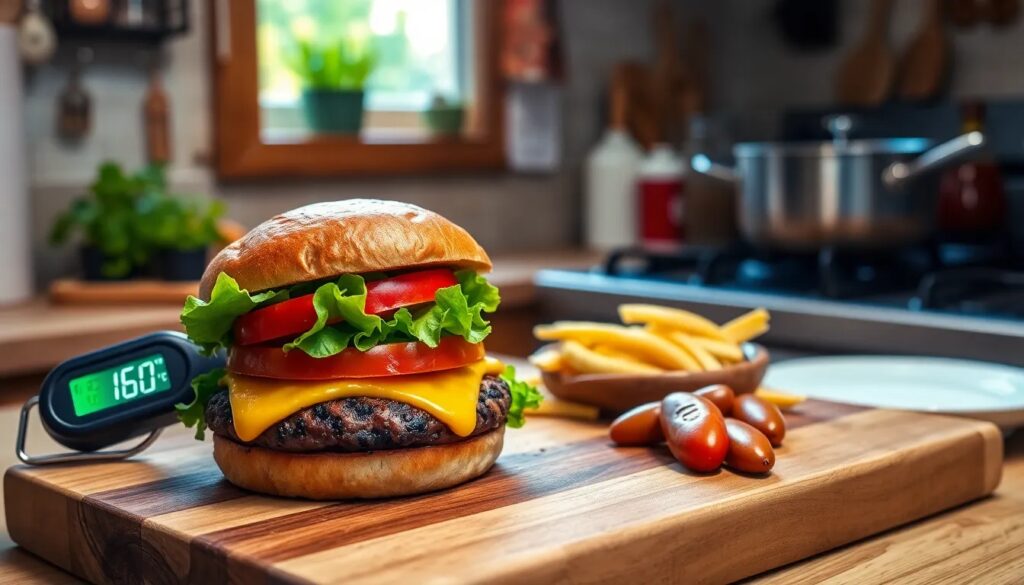
To achieve delicious and safe burgers, understanding the correct cooking temperatures is essential. This guide will help you navigate the nuances of hamburger internal temp for optimal cooking results.
Knowing how to cook burgers not only ensures safety but also enhances flavor and juiciness. Let's explore the various aspects of burger cooking, including safe temperatures and tips for checking doneness.
Table of Contents
- Burger temperature chart: achieving juicy & flavorful results
- How to know when a burger is done?
- What determines if a burger is perfectly cooked?
- Mastering hamburger internal temp: a guide for perfect doneness
- Tips for checking burger temperature using a meat thermometer
- Why grass-fed, grass-finished burgers are the gold standard
- How to ensure safe cooking of burgers?
- Related questions about hamburger internal temp
- Frequently asked questions about burger cooking safety
Burger temperature chart: achieving juicy & flavorful results
A well-cooked burger is not just about taste; it's also about food safety. The USDA recommends that ground beef should reach a minimum internal temperature of 160°F (71°C) to eliminate harmful bacteria such as E. coli and Salmonella. Here's a quick reference chart for different doneness levels:
- Rare: 120-125°F (49-52°C)
- Medium rare: 130-135°F (54-57°C)
- Medium: 140-145°F (60-63°C)
- Medium well: 150-155°F (65-68°C)
- Well done: 160°F (71°C) and above
Understanding these temperatures will help you achieve the perfect burger doneness every time. Proper cooking elevates flavor while ensuring that your meal is safe to eat.
How to know when a burger is done?
Determining if a burger is fully cooked can sometimes be challenging. The best way to know is by using a meat thermometer. Insert the thermometer into the center of the patty to get an accurate reading.
If you prefer visual cues, look for these signs:
- The juices should run clear, not pink.
- The surface should be nicely browned.
- For a medium burger, it should feel firm yet springy.
It's crucial to avoid pressing down on the burger while cooking, as this can release juices and dry out the meat.
What determines if a burger is perfectly cooked?
Several factors influence whether a burger is cooked to perfection. Thickness is one of the most significant factors; thicker patties will take longer to cook through.
Additionally, the type of meat used can affect cooking times:
- Grass-fed beef may cook differently than grain-fed beef.
- Fat content also plays a role; higher fat content can lead to juicier burgers.
- The cooking method, whether grilling or pan-frying, can impact the overall cooking time.
Always rely on a meat thermometer to ensure that the burger reaches the desired hamburger internal temp for safety and taste.
Mastering hamburger internal temp: a guide for perfect doneness
Achieving the perfect hamburger internal temp requires attention and precision. Here are some tips to master the process:
1. Preheat your grill or pan: Ensuring a hot cooking surface helps to sear the outside while keeping the inside juicy.
2. Choose the right ground beef: Opt for ground beef that is 80% lean and 20% fat for optimal flavor.
3. Use a meat thermometer: This is the most reliable tool for checking doneness. Insert it horizontally into the center part of the burger.
4. Let it rest: After cooking, allow the burger to rest for a few minutes. This redistributes the juices and enhances flavor.
By following these steps, you can ensure that your burgers are not only safe but also incredibly flavorful.
Tips for checking burger temperature using a meat thermometer
Using a meat thermometer effectively is crucial for ensuring your burger is cooked correctly. Here are best practices for checking hamburger internal temp:
- Calibrate your thermometer: Before use, ensure it’s accurate by testing it in ice water or boiling water.
- Insert correctly: Place the thermometer in the thickest part of the patty, avoiding contact with bones or the grill.
- Check multiple burgers: If cooking several burgers, check the temperature of each one to ensure uniform doneness.
These tips will help you achieve the perfect cooking results while maintaining safety standards.
Why grass-fed, grass-finished burgers are the gold standard
Grass-fed, grass-finished beef is often considered superior due to its nutritional profile and flavor. Here’s why you might want to choose this option:
1. Healthier fat composition: Grass-fed beef typically contains higher levels of omega-3 fatty acids and antioxidants.
2. Better flavor: Many chefs and food enthusiasts claim that grass-fed beef has a richer, beefier flavor.
3. Sustainability: Grass-fed farming practices are often more sustainable compared to conventional grain-fed methods.
When you choose high-quality beef, you not only improve the flavor of your burgers but also support better farming practices.
How to ensure safe cooking of burgers?
Safety should always be a priority when cooking burgers. Here are essential tips to ensure safe cooking:
- Keep meat cold: Always store ground beef in the refrigerator until you're ready to cook.
- Avoid cross-contamination: Use separate cutting boards for raw meat and other ingredients.
- Cook to the right temperature: Always use a meat thermometer to check for the safe cooking temperature for hamburger patties.
By implementing these practices, you can enjoy delicious burgers without the risk of foodborne illness.
Frequently asked questions about burger cooking safety
Is 145 degrees safe for burgers?
Cooking burgers to 145°F (63°C) is not recommended for ground beef. The USDA advises that ground beef should reach a minimum of 160°F (71°C) to ensure all harmful bacteria are killed. While some might prefer a medium burger at lower temperatures, the risk of foodborne illnesses remains high. Always prioritize safety over preference.
What is the 5 6 7 rule for burgers?
The 5 6 7 rule is a guideline for cooking burgers that helps to achieve various levels of doneness. According to this rule, cook your burger for 5 minutes on one side, flip it, and then cook for 6 minutes for medium doneness. For well-done, you may need to extend the time to about 7 minutes. This method, however, should be paired with a thermometer for accuracy.
Can I eat a burger at 155?
While some people do consume burgers cooked to 155°F (68°C), it is essential to understand that it does not meet the USDA's recommended safe cooking temperature of 160°F (71°C). Cooking to 155°F may leave the burger at risk of containing harmful bacteria. To ensure safety, it is best to aim for the recommended minimum.
What temperature should a burger be fully cooked at?
A burger should be fully cooked to a minimum of 160°F (71°C) to ensure safety. This temperature effectively kills harmful bacteria present in ground beef. For those who prefer different levels of doneness, it's important to be mindful of the associated risks and understand the necessary cooking temperatures for each level.
If you want to know other articles similar to Hamburger internal temp guide for perfect cooking you can visit the category Meat Preparation Techniques.


More embers