

Pork shoulder vs pork butt: what's the difference?
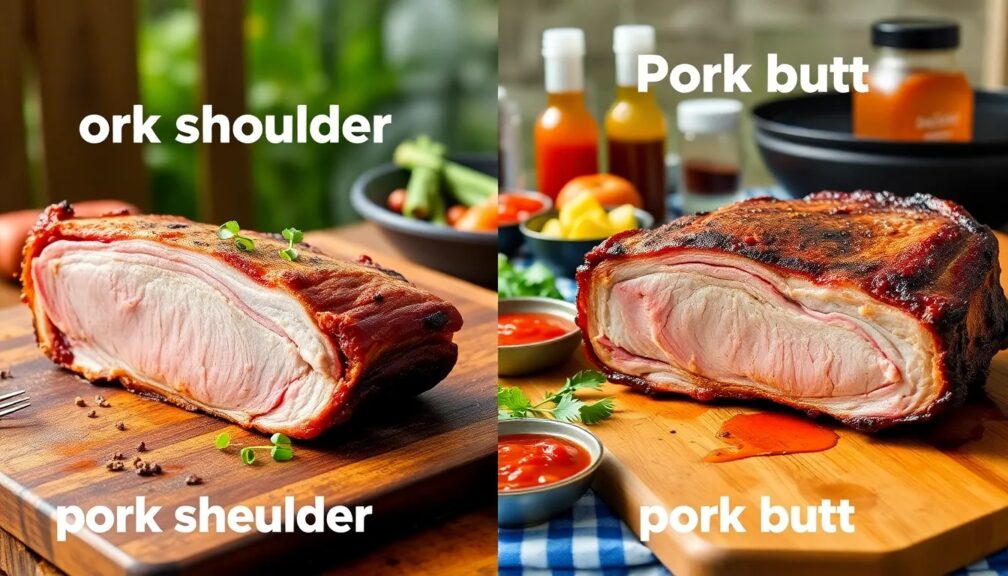
When it comes to cooking pork, understanding the different cuts can elevate your dishes significantly. Among the most frequently confused cuts are the pork shoulder and pork butt. Both cuts come from the shoulder area of the pig, but they have unique characteristics that make them suitable for different cooking techniques and recipes.
In this article, we will explore the distinctions between these two popular cuts of meat, helping you choose the right one for your next culinary adventure. Let’s dive into the details of Pork Shoulder vs Pork Butt: What’s the Difference?
Table of Contents
What is Pork Butt?
Pork butt, despite its name, is actually cut from the upper part of the pig's shoulder. Also known as Boston butt, this cut is renowned for its rich marbling. The high fat content makes it ideal for slow cooking methods, resulting in tender and flavorful dishes.
Typically, pork butt is sold bone-in or boneless and is a favorite for making pulled pork. The marbling within the meat breaks down during cooking, enhancing both flavor and tenderness.
This cut is versatile; it's perfect for barbecuing, braising, or roasting. When cooked properly, pork butt becomes incredibly tender, making it a popular choice for gatherings and parties.
What is Pork Shoulder?
Pork shoulder, often referred to as picnic shoulder, comes from the lower part of the pig's shoulder. This cut is typically leaner and tougher compared to pork butt. It usually contains more connective tissue, which can make it less tender if not cooked correctly.
Unlike pork butt, pork shoulder often comes with the skin, which can be roasted for a crispy texture. This cut is excellent for making dishes that require longer cooking times, such as stews or roasts, where low and slow cooking will help break down the tougher fibers.
While it can also be used for pulled pork, many cooks prefer pork butt for this purpose due to its higher fat content. However, when prepared correctly, pork shoulder can deliver delicious results as well.
What Are The Major Differences Between Pork Shoulder And Pork Butt?
The main differences between pork shoulder and pork butt include their fat content, texture, and recommended cooking methods. Here are some key distinctions:
- Fat Content: Pork butt has a higher fat marbling, making it more suitable for slow cooking.
- Texture: Pork shoulder is typically leaner and tougher, requiring longer cooking times to achieve tenderness.
- Cooking Methods: Pork butt excels in barbecue and pulled pork dishes, while pork shoulder is great for roasting or slow-cooking recipes.
Both cuts have their merits, and the choice depends on the recipe and the cooking method you plan to use. Understanding these differences can significantly enhance your cooking experience.
When To Use Pork Shoulder?
Pork shoulder is best used in dishes that require long cooking times, allowing the connective tissues to break down and the flavors to meld. If you're aiming for a crispy exterior along with tender meat, pork shoulder is the way to go.
Some ideal scenarios for using pork shoulder include:
- Making traditional roasts with a crispy skin.
- Utilizing in slow-cooked stews and curries.
- Preparing tacos or sandwiches where tender shreds of meat are desired.
For beginners, pork shoulder recipes can be straightforward and rewarding. Just remember, the key is to cook it low and slow for the best results.
When To Use Pork Butt?
Pork butt is perfect for those looking to create rich, flavorful meals with minimal effort. Because of its higher fat content, it’s an excellent choice for pulled pork or barbecue dishes.
Here are some situations where pork butt shines:
- Making pulled pork sandwiches for gatherings or barbecues.
- Creating flavorful barbecue dishes that benefit from slow cooking.
- Using in recipes that call for marinated or spiced meats.
For those looking to experiment with pork butt cooking techniques, there are plenty of resources available. Whether you’re smoking it or braising it, this cut won’t disappoint.
Best Recipes For Pork Butt And Pork Shoulder?
Both pork butt and pork shoulder lend themselves to a variety of delicious recipes. Here’s a look at some of the best ways to prepare each cut:
For Pork Butt:
- Pulled Pork: Cooked low and slow until tender, then shredded and served with barbecue sauce.
- Barbecue Pork: Rubbed with spices and smoked for a rich flavor.
- Pork Tacos: Shredded and served in tortillas with fresh toppings.
For Pork Shoulder:
- Roast Pork Shoulder: Seasoned and roasted until the skin is crispy.
- Pork Stew: Cut into chunks and slow-cooked with vegetables and broth.
- Tamales: Used as a filling in masa dough.
No matter which cut you choose, experimenting with different recipes can help you discover which flavors and cooking techniques work best for you. Remember, the key is to let the meat cook slowly to maximize tenderness and flavor.
What is the best cut of pork for pulled pork?
The best cut of pork for pulled pork is typically pork butt, due to its high fat content and marbling. This fat breaks down during cooking, resulting in tender, juicy meat that is easy to shred. While pork shoulder can also be used, pork butt is the preferred choice for its rich flavor and tenderness.
Does pork shoulder get more tender the longer it cooks?
Yes, pork shoulder does become more tender the longer it cooks, especially when prepared using low and slow methods. As the meat cooks, the connective tissues break down, resulting in a softer, more enjoyable texture. However, it’s essential not to overcook it, as this can lead to dryness.
What is pork shoulder best used for?
Pork shoulder is best used for dishes that require slow cooking, such as stews, roasts, or pulled pork. Its balance of fat and meat makes it suitable for various cooking methods, allowing flavors to develop fully. This cut is also great for making tacos or sandwiches, where its tender texture can shine.
Is pork shoulder or picnic better for pulled pork?
Pork shoulder is generally considered better for pulled pork than picnic shoulder. The reason is that pork shoulder has a higher fat content, which contributes to a more tender and flavorful end product. While picnic shoulder can also be used, it might require a bit more attention to achieve similar results.
Pork Shoulder vs Pork Butt

In summary, understanding the differences between Pork Shoulder vs Pork Butt: What’s the Difference? is essential for any cooking enthusiast. Both cuts have unique qualities that can enhance your dishes, so choose wisely according to your recipe and cooking method. Happy cooking!
If you want to know other articles similar to Pork shoulder vs pork butt: what's the difference? you can visit the category BBQ Food and Recipes.


More embers