

Doneness of steak temperature explained
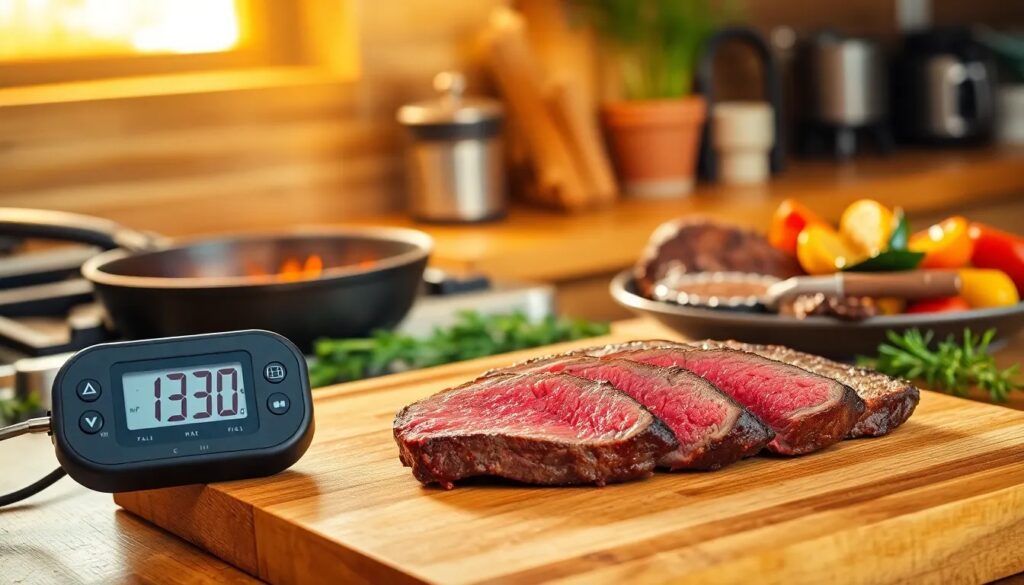
Cooking the perfect steak is an art that goes beyond just grilling techniques; it involves understanding the doneness of steak temperature. Whether you're a home cook or a seasoned chef, mastering steak doneness will elevate your culinary skills. In this guide, we’ll explore everything from the different levels of doneness to how to achieve that perfect medium-rare steak.
Having a deep understanding of steak temperatures can be the key to impressing your guests and ensuring a delicious meal. Let’s dive into the essentials of steak doneness.
Table of Contents
- Understanding the different levels of steak doneness
- What is the correct doneness of steak?
- How to achieve the perfect medium rare steak?
- What are the ideal internal temperatures for steak?
- How to use a meat thermometer for accurate readings?
- Why is resting your steak important for flavor?
- Common mistakes in cooking steak doneness levels
- Frequently asked questions about steak doneness temperature
- Common questions about steak doneness
Understanding the different levels of steak doneness
Steak doneness is primarily determined by internal temperature, which affects its flavor, texture, and juiciness. Each level corresponds to a specific temperature range:
- Rare: 120-125°F (49-52°C) - cool and red center
- Medium rare: 130-135°F (54-57°C) - warm and red center
- Medium: 140-145°F (60-63°C) - warm pink center
- Medium well: 150-155°F (65-68°C) - slight pink center
- Well done: 160°F and above (71°C) - no pink center
Understanding these levels is crucial for achieving your desired results. For example, a medium rare steak is often considered ideal for its balance of flavor and texture. Knowing how to check doneness will empower you to cook steaks to perfection.
What is the correct doneness of steak?
The correct doneness of steak is subjective and varies according to personal preference. However, culinary experts suggest that medium rare is the gold standard for achieving a juicy, flavorful steak. This doneness level allows the fat within the meat to melt, enhancing its flavor and tenderness.
Choosing the right doneness is also about understanding the cut of meat. For instance, tougher cuts like flank steak might benefit from a lower doneness level, while tender cuts like tenderloin can go higher. Ultimately, it’s about finding a balance that suits your palate.
How to achieve the perfect medium rare steak?
Achieving a perfect medium rare steak involves precise temperature control. To start, preheat your grill or pan to high heat. Sear the steak for about 3-5 minutes on each side, depending on its thickness. Use a meat thermometer to check the internal temperature; you should aim for 130-135°F.
One crucial tip is to remove the steak from the heat a few degrees below your target temperature. This is because residual heat will continue cooking the steak while it rests. Letting it rest for about 5-10 minutes allows juices to redistribute, ensuring every bite is juicy.
What are the ideal internal temperatures for steak?
The ideal internal temperatures for steak vary based on the desired doneness. Here’s a quick reference chart:
- Rare: 120-125°F (49-52°C)
- Medium rare: 130-135°F (54-57°C)
- Medium: 140-145°F (60-63°C)
- Medium well: 150-155°F (65-68°C)
- Well done: 160°F and above (71°C)
For best results, always use a calibrated thermometer to ensure accuracy. Different cooking methods can slightly affect the temperature, so adjusting your cooking time accordingly is important.
How to use a meat thermometer for accurate readings?
Using a meat thermometer is essential for getting the right doneness of steak temperature. Insert the thermometer into the thickest part of the steak, making sure not to touch bone or fat, as this can give inaccurate readings.
Digital thermometers are recommended for their quick and accurate readings. Wait for a second or two for the temperature to stabilize before reading. This will ensure you get an accurate measurement. Keep in mind that temperatures may rise slightly during resting, so factor this into your cooking time.
Why is resting your steak important for flavor?
Resting your steak is a crucial step that many home cooks overlook. After cooking, transferring the steak to a plate and allowing it to rest for 5-10 minutes helps the juices redistribute throughout the meat. This results in a more flavorful and juicy steak.
If you cut into the steak immediately, the juices will run out, leaving you with a dry piece of meat. Whether you're preparing a simple weeknight dinner or a special occasion meal, never skip this essential step.
Common mistakes in cooking steak doneness levels
There are a few common mistakes people make when cooking steak that can lead to improper doneness:
- Not using a thermometer: Relying solely on time or visual cues can result in overcooked or undercooked steak.
- Overcooking: It's better to undercook initially and finish cooking during resting than to overcook.
- Skipping resting time: Cutting the steak too soon will lead to a loss of juices, greatly affecting flavor.
- Cooking at inconsistent temperatures: Ensure your grill or pan maintains a steady, high temperature for even cooking.
Being aware of these pitfalls can help you master the doneness of steak temperature, leading to consistent and delicious results.
Frequently asked questions about steak doneness temperature
Common questions about steak doneness
What is the correct doneness of steak?
The correct doneness of steak is often subjective and varies from person to person. However, the general consensus is that medium rare is the preferred choice for its juicy and flavorful qualities. The optimal temperature for this doneness is between 130°F and 135°F.
Is medium rare 135 or 145?
Medium rare is defined as a doneness level between 130°F and 135°F (54°C and 57°C). On the other hand, a temperature of 145°F falls into the medium category. Understanding these distinctions is essential for achieving the desired outcome in your steak cooking.
What is the 3 3 3 rule for steaks?
The 3 3 3 rule for steaks generally refers to the cooking process: cook for 3 minutes on one side, flip and cook for another 3 minutes, and then let it rest for 3 minutes. This rule is a guideline that can help achieve a good sear and maintain juiciness.
Can I eat steak at 130?
Yes, you can safely eat steak at 130°F (54°C), which falls within the medium rare temperature range. It is important to ensure that the steak has been cooked evenly and properly to avoid any food safety concerns. Always use a meat thermometer for accurate readings.
Incorporating these tips and knowledge about the doneness of steak temperature can dramatically improve your cooking and dining experience. Enjoy your culinary journey in mastering the perfect steak!
If you want to know other articles similar to Doneness of steak temperature explained you can visit the category Meat Preparation Techniques.


More embers