

Cook steak to what temp for perfect doneness
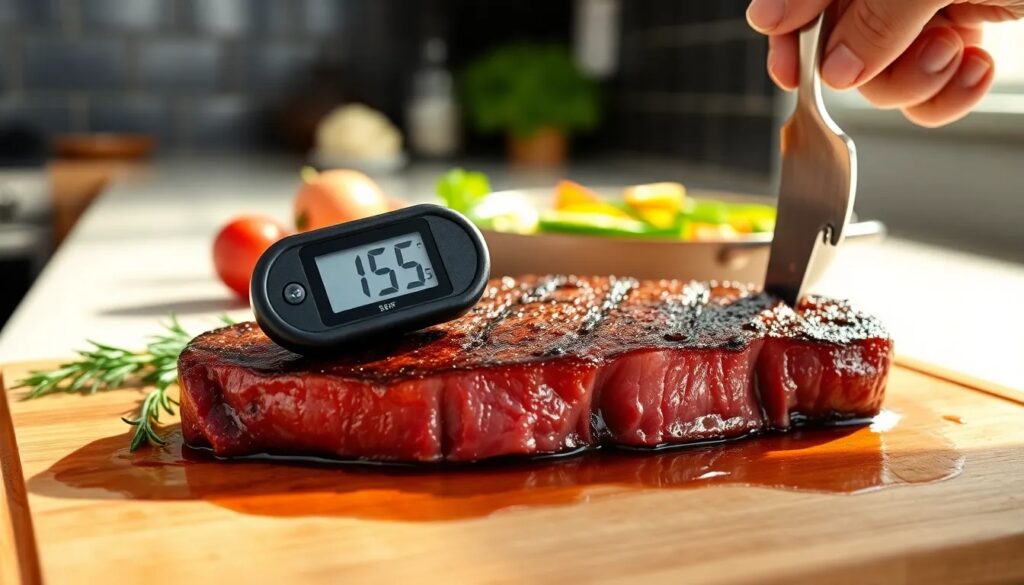
Cooking the perfect steak is an art that requires attention to detail, especially when it comes to temperature. Understanding how to cook steak to what temp is essential for achieving the desired level of doneness. This guide will walk you through the ideal temperatures for steak doneness and tips for ensuring that your steak is both flavorful and juicy.
Table of Contents
- How to cook steak to what temp for perfect doneness
- What are the ideal temperatures for steak doneness?
- How to use a digital meat thermometer for accurate readings?
- What is the importance of resting your steak after cooking?
- How to achieve different levels of steak doneness?
- What are the common mistakes when cooking steak?
- How long should you let steak rest before serving?
- Related questions about cooking steak temperatures
How to cook steak to what temp for perfect doneness
When it comes to cooking steak, knowing the right temperature is crucial. The ideal internal temperatures for various steak doneness levels are as follows:
- Rare: 120–125°F
- Medium Rare: 130–135°F
- Medium: 140–145°F
- Medium Well: 150–155°F
- Well Done: 160–165°F
To achieve perfect doneness, always remove the steak from the heat just before it reaches the target temperature. The principle of carryover cooking means that the steak will continue to cook as it rests. This is why understanding how to cook steak to what temp is critical for getting it just right.
Another important factor is to use a quality digital meat thermometer for the most accurate results. These devices take the guesswork out of cooking and help ensure that your steak reaches the desired doneness without overcooking.
What are the ideal temperatures for steak doneness?
Different levels of doneness not only affect the flavor but also the texture of the steak. Here’s a quick breakdown of the ideal temperatures:
- Rare: 120–125°F - Bright red center, cool to warm.
- Medium Rare: 130–135°F - Warm red center.
- Medium: 140–145°F - Pink and firm.
- Medium Well: 150–155°F - Slightly pink center.
- Well Done: 160–165°F - No pink, very firm.
Understanding these temperatures is key to mastering your cooking technique, whether you are using a grill, pan, or oven. The internal temperature is the best indicator of doneness, so avoid relying solely on color.
Moreover, cooking techniques such as grilling, roasting, or pan-searing can all affect the final taste and texture of your steak. Each method requires attention to the same temperature principles.
How to use a digital meat thermometer for accurate readings?
Using a digital meat thermometer is one of the best ways to ensure your steak is cooked perfectly. Here are some tips on how to use one effectively:
1. Insert the thermometer into the thickest part of the steak, avoiding any bones or fat.
2. Wait for the reading to stabilize; this usually takes a few seconds.
3. Remove the steak from the heat once it’s about 5°F below your target temperature, allowing for carryover cooking.
It’s essential to calibrate your thermometer occasionally to ensure accuracy. A simple ice water test can help confirm that your thermometer is reading correctly.
In addition, always clean the probe after each use to avoid cross contamination. Proper thermometer usage can significantly enhance your steak cooking experience.
What is the importance of resting your steak after cooking?
Resting your steak after cooking is a crucial step that should not be overlooked. When steak is cooked, the juices are pushed toward the center. Resting allows these juices to redistribute throughout the meat, enhancing flavor and juiciness.
To rest your steak properly:
- Remove it from the heat source and place it on a cutting board.
- Cover it loosely with aluminum foil to keep it warm, but not steaming.
- Let it rest for at least 5–10 minutes, depending on the size of the steak.
Failing to rest your steak can result in dry meat, as the juices may run out when sliced. This technique is vital for achieving the best possible flavor and texture.
Another benefit of resting is that it gives you time to prepare any side dishes or sauces that you want to serve with your steak.
How to achieve different levels of steak doneness?
Achieving different levels of doneness requires careful attention to time and temperature. Here’s how to achieve each level:
- For rare, cook until the internal temperature reaches 120°F, then remove and let it rest for a few minutes.
- For medium rare, aim for 130°F; the steak will have a warm red center.
- Cooking to medium requires reaching about 140°F; the steak will be pink and firm.
- For medium well, take it off the heat at 150°F for a slightly pink center.
- Well done steaks should reach about 165°F or more, resulting in a firmer texture.
Utilizing a digital meat thermometer will help you track the cooking process effectively and accurately. Remember to monitor the temperature and adjust your cooking method as needed.
To make the process easier, consider keeping a meat temperature chart handy in your kitchen for quick reference.
What are the common mistakes when cooking steak?
Cooking steak can seem straightforward, but several common mistakes can lead to less-than-ideal results. Here are some to watch out for:
- Not using a meat thermometer, which can lead to guessing steak doneness.
- Overcooking the steak due to residual heat from the pan or grill.
- Skipping the resting phase after cooking, which can result in dry meat.
- Using a low-quality cut of meat that doesn’t have enough marbling for flavor.
- Failing to season the steak adequately before cooking.
Avoiding these mistakes can significantly improve your steak cooking skills. Take the time to perfect your technique, and you’ll be rewarded with delicious results.
How long should you let steak rest before serving?
Resting time for steak can vary based on the size and thickness of the cut. As a general guideline:
- Small steaks: Rest for 5 minutes.
- Medium steaks: Rest for 7–10 minutes.
- Large cuts (like roasts): Rest for 10–15 minutes.
This allows the juices to redistribute evenly, ensuring that each slice offers rich flavor and tenderness.
Remember, the goal is to keep the steak warm while it rests. Covering it loosely with foil can help retain heat without causing steaming.
What temperature should steak be cooked to?
The ideal cooking temperature for steak depends on the desired level of doneness. For example, if you prefer a medium-rare steak, aim for an internal temperature of 130–135°F. Cooking your steak to the right temperature ensures the best flavor and texture.
What is the 3-3-3 rule for steaks?
The 3-3-3 rule refers to resting your steak for three minutes, allowing it to sit on the plate for three minutes, and then slicing it against the grain in three portions. This method helps ensure juicy bites and enhances the overall eating experience.
Is 145 degrees safe for steak?
Yes, 145°F is safe for cooking steak as it falls into the medium range. However, for the best texture and flavor, many chefs recommend aiming for medium rare at 130–135°F.
Does steak have to reach 165?
No, steak does not need to reach 165°F unless it's ground beef or other types of meat that require more stringent safety standards. For steak, the recommended safe cooking temperatures depend on personal preferences for doneness.
By following these guidelines on how to cook steak to what temp, you can achieve restaurant-quality results right in your kitchen. Remember, practice makes perfect, so don't be afraid to experiment with different cuts, cooking methods, and seasoning to find your perfect steak!
If you want to know other articles similar to Cook steak to what temp for perfect doneness you can visit the category Meat Preparation Techniques.


More embers