

Bovine's significance in agriculture and cuisine
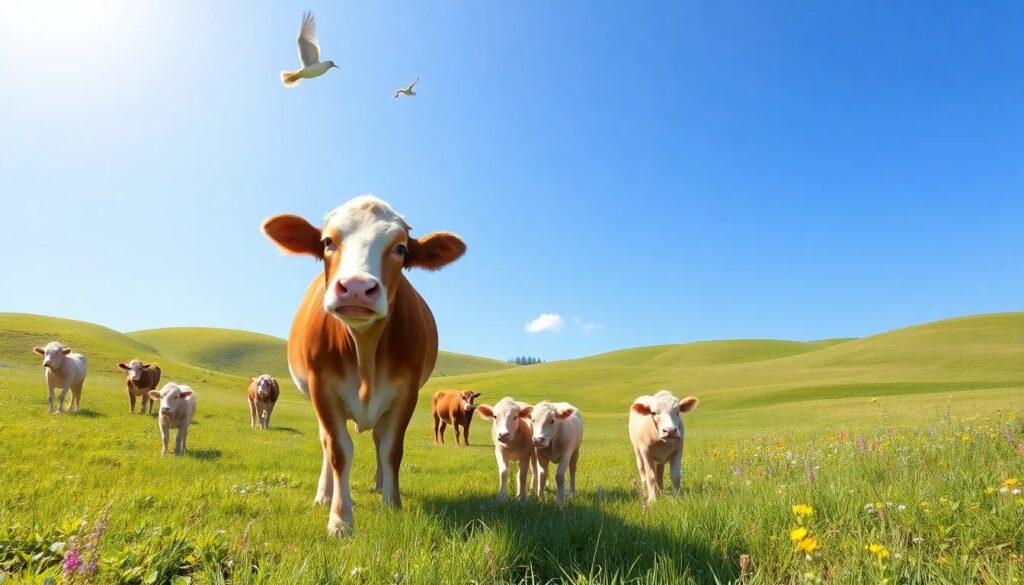
Bovines are an integral part of our ecosystem, serving vital roles in both agriculture and cuisine. From their rich nutritional value to their significance in sustainable farming practices, understanding bovine's characteristics and taxonomy is essential for appreciating their place in our world.
This article delves into various aspects of bovines, including their characteristics, family tree, and differences from other ungulates. We will also explore their cultural significance and the health benefits associated with bovine meat.
Table of Contents
- What are bovine’s characteristics?
- Is bovine halal?
- What is the bovine family?
- What is the bovine family tree?
- What animals are considered bovine?
- Bovid vs bovine: what’s the difference?
- What are the different types of bovine?
- What is the scientific name of Bovinae?
- Related questions about bovines
- Frequently asked questions about bovine's significance in agriculture and cuisine
What are bovine’s characteristics?
Bovines belong to the subfamily Bovinae and are characterized by several distinctive features. They are primarily medium to large ungulates with cloven hooves and true horns, often found in both sexes. These characteristics not only aid in their survival but also play a role in their interaction with humans.
They exhibit a diverse range of physical traits, including fur patterns and color variations. For instance, cattle can vary widely in color, from solid black to spotted or even brindled.
Additionally, bovines are known for their remarkable adaptability to various environments, from grasslands to temperate forests, making them significant in numerous ecosystems.
 Cattleman: Definition and Meaning
Is bovine halal?
The question of whether bovine is halal depends on various factors, including the method of slaughter and the animal's dietary habits. In general, bovine meat can be considered halal if it comes from a healthy animal that has been slaughtered according to Islamic law.
Islamic guidelines stipulate that the animal must be killed by a Muslim who invokes the name of Allah at the time of slaughter. Furthermore, the animal should be treated humanely throughout its life.
For those observing halal dietary laws, it’s essential to ensure that the bovine meat is certified halal by a reputable source, as this guarantees compliance with all necessary regulations.
What is the bovine family?
The bovine family, scientifically known as Bovidae, includes a wide variety of species that share common physiological and genetic traits. This family encompasses not just cattle but also bison, buffalo, and even antelopes.
Within the Bovidae family, bovines are categorized under the subfamily Bovinae. Some notable genera include Bos (cattle), Bubalus (buffalo), and Bison (bison).
Cattleman: Definition and Meaning Duce's experience at The Duce restaurant
This classification illustrates the vast diversity among bovines and highlights their importance in agriculture, providing essential resources such as milk, meat, and leather.
What is the bovine family tree?
The family tree of bovines is complex and reflects their evolutionary history. Bovines belong to the subfamily Bovinae, which diverged from other members of the Bovidae family millions of years ago. They are categorized into several tribes, with the most notable being Bos, Bubalus, and Bison.
Each tribe contains various species that exhibit specific adaptations to their environments. For instance, the Bos genus includes domesticated cattle as well as wild species, while Bubalus encompasses the water buffalo, primarily found in Asia.
The evolutionary relationships among these tribes remain somewhat ambiguous, as they are often grouped into loose tribes rather than strict subcategories. This reflects the ongoing research in bovine taxonomy, revealing the diverse evolutionary paths these animals have taken.
What animals are considered bovine?
Bovines include several well-known animals that play a critical role in agriculture and culture. The most recognized members include:
- Cattle: Domesticated bovines used for milk, meat, and labor.
- Bison: Large, wild bovines native to North America.
- Buffalo: Domesticated and wild species, particularly in Asia and Africa.
- Antelopes: Although less commonly associated with farming, they belong to the same family.
These animals contribute significantly to human livelihoods, with their meat providing essential protein and other nutrients. Understanding the diversity within the bovine category helps appreciate their various roles in different cultures.
Bovid vs bovine: what’s the difference?
While the terms "bovid" and "bovine" are often used interchangeably, there is a crucial distinction. "Bovids" refers to the entire family Bovidae, which includes not only bovines but also goats, sheep, and antelopes.
On the other hand, "bovine" specifically denotes members of the subfamily Bovinae, such as cattle and buffalo. Understanding this difference is essential for accurately discussing various species and their characteristics.
In summary, while all bovines are bovids, not all bovids are bovines. This classification reflects not only their biological relationships but also their ecological roles and significance in agriculture.
What are the different types of bovine?
Bovines can be classified into several categories based on their domestication status and geographical distribution. Some of the main types include:
- Domestic cattle: Found worldwide, primarily used for dairy and meat.
- Wild bison: Native to North America and parts of Europe and Asia.
- Water buffalo: Common in Asia and known for their ability to work in wetland environments.
- Yak: A domesticated bovine found in the Himalayas, known for its adaptability to high altitudes.
The diversity among these types allows for various agricultural practices and cultural significance, showcasing how they meet human needs across different regions.
What is the scientific name of Bovinae?
The scientific classification of bovines falls under the subfamily Bovinae within the family Bovidae. The taxonomic hierarchy is as follows:
- Kingdom: Animalia
- Phylum: Chordata
- Class: Mammalia
- Order: Artiodactyla
- Family: Bovidae
- Subfamily: Bovinae
This classification emphasizes the biological and evolutionary relationships among bovines and their relatives. Understanding their scientific names aids in recognizing their roles in various ecosystems and agricultural practices.
Frequently asked questions about bovine's significance in agriculture and cuisine
What is a bovine species?
A bovine species refers to any animal that belongs to the subfamily Bovinae, which includes domesticated and wild animals like cattle, buffalo, and bison. Each species has unique adaptations and ecological roles.
For instance, cattle are primarily raised for milk and meat, while bison play a significant role in maintaining the grassland ecosystems of North America. Understanding these species is crucial for sustainable farming practices.
What does it mean if something is bovine?
If something is described as "bovine," it generally refers to characteristics or attributes related to bovines. This can include physical traits, behavioral patterns, or even metaphorical uses in language.
In a broader context, the term might be used to refer to the qualities associated with cows, such as docility or a slow and steady demeanor. This usage extends beyond animals into various aspects of language and culture.
What is a bovine heart condition?
A bovine heart condition typically refers to health issues affecting the heart of cattle or other bovines. These conditions can impact their overall health and productivity in agricultural settings.
Common heart conditions might include cardiomyopathy or congenital defects, which can hinder an animal's performance and longevity. Regular veterinary care and monitoring are essential to maintain the health of bovines.
Is a bovine a pig or cow?
A bovine specifically refers to members of the subfamily Bovinae, which includes cows and buffalo, but not pigs. Pigs belong to a different family called Suidae. Therefore, a bovine is a cow, while pigs are a separate category of livestock.
This distinction is important in agriculture, as each species has different roles and contributions to farming practices worldwide.
From their ecological roles to their cultural significance, understanding the importance of bovines enriches our appreciation for these remarkable animals. Their contributions to agriculture and cuisine cannot be overstated, highlighting the need for sustainable practices and compassionate treatment in livestock management.
If you want to know other articles similar to Bovine's significance in agriculture and cuisine you can visit the category Beef Seasoning.


More embers