

Beef brisket seasoning guide
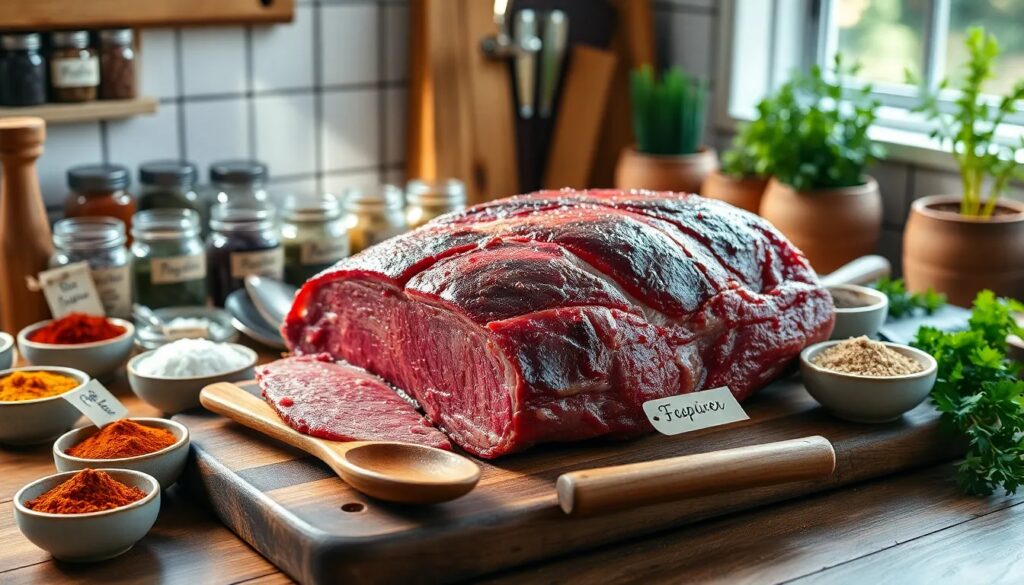
When it comes to enhancing the flavor of brisket, the right seasoning can make all the difference. A well-balanced beef brisket seasoning not only enhances the meat's natural flavors but also adds depth and complexity to your barbecue. In this guide, we will explore everything from essential ingredients to tips for achieving the perfect rub.
Table of Contents
What is beef brisket seasoning?
Beef brisket seasoning refers to a blend of spices and herbs specifically designed to enhance the flavor of brisket, a cut of meat known for its richness and texture. This seasoning typically includes a mixture of salt, pepper, and various aromatic spices that complement the beef. The goal is to achieve a harmonious balance of flavors that elevates the overall taste of the dish.
The key components of a basic seasoning blend often include ingredients like paprika, garlic, and onion powder. These spices add depth and character, making them essential for anyone looking to perfect their brisket. Additionally, some recipes call for sweet elements such as brown sugar, which can create a delightful crust when smoked.
A proper understanding of your seasoning can significantly impact your cooking. Experimenting with proportions allows you to tailor the flavor profile to your preferences, ensuring that every bite is packed with flavor.
How do you make the best beef brisket rub?
Creating the best beef brisket rub is simpler than you might think. Here are the steps to craft a simple beef brisket rub recipe that will impress your guests:
1. Gather Your Ingredients: Start with a base of salt and pepper, then add your choice of spices such as garlic powder, onion powder, smoked paprika, and ground coriander.
2. Mix Thoroughly: Combine all ingredients in a bowl. Make sure to mix them well to achieve an even distribution of flavors.
3. Taste and Adjust: Before applying the rub, taste a small amount. Adjust the ingredients to your liking, whether it means adding more sweetness or increasing the spice level.
4. Apply Generously: When you're ready to season your brisket, apply the rub generously, making sure to cover all sides of the meat.
This rub is not just limited to brisket. It can also enhance chicken, pork, and even fish dishes. The versatility of this rub makes it a staple in any barbecue enthusiast's toolkit.
What ingredients go into beef brisket rubs?
The ingredients in beef brisket rubs can vary widely, but there are some common elements that tend to make appearances in the best recipes. Here’s a list of typical ingredients you might include in your rub:
- Salt: The foundation of any rub, helping to enhance flavor.
- Black Pepper: Adds a layer of heat and complexity.
- Garlic Powder: Provides a savory aroma and taste.
- Onion Powder: Complementary to garlic, it adds sweetness.
- Smoked Paprika: Gives a rich, smoky flavor that is perfect for brisket.
- Ground Coriander: Adds a subtle citrus note to balance the richness of the meat.
- Brown Sugar: For a hint of sweetness and to help form a crust.
These ingredients combine to create a flavor profile that is both savory and aromatic. The balance between sweet and spicy is crucial, as it allows the natural flavors of the brisket to shine through.
How long should dry rub be on brisket?
The duration for which you should apply a dry rub to brisket can significantly impact the final taste. Generally, it’s advisable to let the rub sit on the meat for at least two hours before cooking. This allows the spices to penetrate the meat and develop rich flavors.
For optimal results, many pitmasters recommend letting the rub sit overnight in the refrigerator. This extended marination time helps deepen the flavors and ensures that the seasoning permeates the brisket thoroughly. When planning for a long cook, the 24-hour mark is ideal, as it allows the beef to absorb all the aromatic spices.
However, if time does not permit, even a short marination can yield satisfactory results. Just remember that the longer the rub sits, the more flavorful the brisket will become.
What other cuts of beef work with this rub?
While this beef brisket seasoning is designed specifically for brisket, it can also complement other cuts of beef very well. Here are some alternatives that work great with the same rub:
- Chuck Roast: Similar in texture, it benefits from the same flavors.
- Ribeye: The richness of ribeye pairs excellently with the rub's savory elements.
- Tri-Tip: This cut absorbs flavors well and can be enhanced by the seasoning.
- Short Ribs: The rub helps create a delicious crust when smoked.
- Flank Steak: A leaner cut that benefits from a good seasoning balance.
Using this seasoning on various cuts not only provides versatility but also allows you to explore different cooking methods. Each cut can bring out unique flavors, making them excellent candidates for your next barbecue session.
Tips for the perfect brisket rub
Achieving the perfect brisket rub requires some finesse and attention to detail. Here are some tips to ensure your rub is a success:
1. Use Fresh Spices: Freshly ground spices will elevate the flavor of your rub. Old spices can lose potency and aromatic qualities.
2. Consider Your Cooking Method: The method you choose can influence how the rub interacts with the meat. For instance, smoking may require a different balance than grilling.
3. Balance Flavors: Aim for a harmonious blend of sweet, savory, and spicy. Adjust ingredients to suit your taste preferences.
4. Don’t Rush the Process: Allow the brisket to rest after applying the rub. This resting period is essential for flavor absorption.
5. Experiment: Don’t be afraid to try new ingredients. Adding unique spices or herbs can give your rub a personal touch.
These tips will help you refine your seasoning technique, ensuring that every brisket you cook is a resounding success.
What is the best seasoning for brisket?
The best seasoning for brisket often includes a well-balanced mix of salt, pepper, garlic powder, and smoked paprika. A simple beef brisket rub recipe that combines these elements can produce excellent results. You can always tweak the proportions based on your preferences, adding more spices or sweet elements like brown sugar for an enhanced flavor.
What is the 3/2:1 rule for brisket?
The 3/2:1 rule is a popular smoking technique for brisket, which refers to the cooking process. It suggests cooking the brisket for three hours unwrapped, then wrapping it in foil and cooking for another two hours, and finally allowing it to rest for one hour. This method helps retain moisture while developing a nice bark on the exterior of the brisket.
Is it better to marinate or dry rub for brisket?
While both methods have their benefits, a dry rub is often preferred for brisket as it allows for a flavorful crust to form during cooking. Marinating can add moisture but may dilute the seasoning. A dry rub can effectively enhance the meat's natural flavors while providing that desirable texture.
What is the 4 2 10 rule brisket?
The 4 2 10 rule outlines a smoking method where the brisket is cooked for four hours unwrapped, two hours wrapped, and then rested for ten hours. This technique allows the brisket to develop a robust bark while ensuring it's tender and juicy inside. The resting period is crucial for letting the juices redistribute throughout the meat.
If you want to know other articles similar to Beef brisket seasoning guide you can visit the category Beef Seasoning.

More embers