
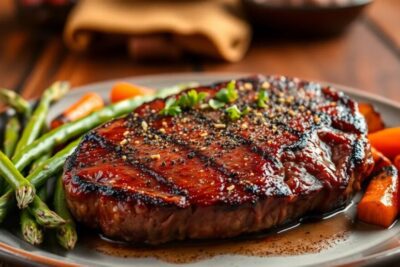
Prime rib roast seasoning guide
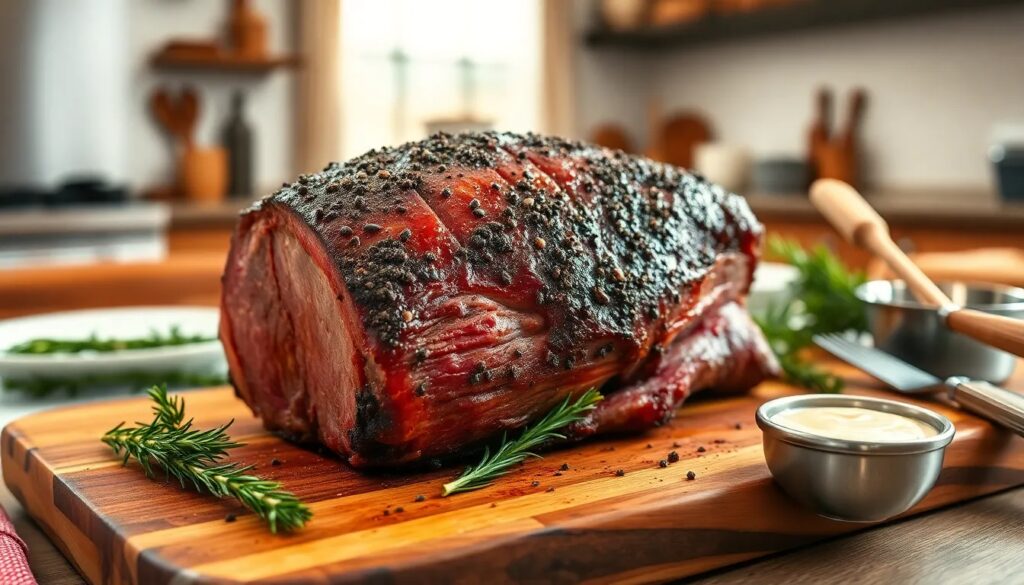
When it comes to preparing a perfect prime rib roast, seasoning plays a crucial role in enhancing its rich and robust flavors. The right blend of spices can transform a simple cut of meat into a culinary masterpiece. This guide covers everything you need to know about prime rib roast seasoning, from homemade rubs to cooking tips.
Whether you are a seasoned chef or a novice in the kitchen, understanding how to season prime rib for the best results is essential. This article will provide insights into the best prime rib roast seasoning techniques and tips for marinating and cooking.
Table of Contents
- What is the best prime rib roast seasoning?
- How to make a homemade prime rib rub?
- What ingredients are in prime rib roast seasoning?
- How long should you marinate prime rib?
- Should you use bone-in or boneless prime rib?
- What are the best cooking tips for prime rib?
- Related questions about prime rib roast seasoning
What is the best prime rib roast seasoning?
The best prime rib roast seasoning balances savory, sweet, and aromatic elements. A popular choice is a mix that includes garlic powder, herbs, and paprika. These ingredients not only enhance the meat's natural flavors but also create a beautiful crust when roasted.
Many chefs recommend using a combination of fresh herbs like rosemary and thyme along with garlic powder and black pepper to achieve a flavorful rub. Adding brown sugar can lend a subtle sweetness that caramelizes during the cooking process, resulting in an unforgettable flavor.
- Garlic powder
- Black pepper
- Brown sugar
- Fresh rosemary
- Thyme
Experimenting with different spice blends can yield unique flavors, so don’t hesitate to adjust the quantities or add your favorite spices to create a custom prime rib rub.
How to make a homemade prime rib rub?
Making a homemade prime rib rub is simple and allows you to tailor the flavors to your liking. Start by mixing together a few essential ingredients: garlic powder, onion powder, and a combination of dried herbs. A basic recipe might include:
- 2 tablespoons of garlic powder
- 1 tablespoon of onion powder
- 1 tablespoon of salt
- 1 teaspoon of black pepper
- 1 tablespoon of brown sugar (optional)
Combine these ingredients in a bowl and mix well. Then, rub the mixture generously over the prime rib, ensuring it covers all sides. For the best flavor, let the rub sit on the meat for at least an hour before cooking, or ideally overnight to allow the flavors to penetrate.
By making a homemade rub, you can customize the spice levels and create a prime rib seasoning that’s perfect for your palate.
What ingredients are in prime rib roast seasoning?
Prime rib roast seasoning typically includes a blend of salt, pepper, and aromatic spices. Essential ingredients for a robust flavor profile are:
- Salt: Enhances the natural flavor of the meat.
- Pepper: Adds a warm, spicy kick.
- Garlic powder: Brings out the savory aspects.
- Onion powder: Complements the garlic for depth.
- Dried herbs: Such as rosemary and thyme for freshness.
Additionally, you can include spices like paprika for color and sweetness, or cayenne pepper for heat. The combination chosen can vary greatly based on personal preference and regional influences.
When creating your blend, consider the overall cooking method as well. For example, if you plan to roast the prime rib, a seasoning that caramelizes well will yield a lovely crust.
How long should you marinate prime rib?
Marinating prime rib is an excellent way to enhance its flavor and tenderness. Ideally, you should marinate your prime rib for at least 4 to 6 hours, but overnight is recommended for best results. This allows the spices to penetrate deeply into the meat.
If you're short on time, even a quick 30-minute marinade can impart some flavor, but longer marination will provide a more intense taste. Make sure to keep the meat refrigerated while marinating to prevent bacterial growth.
When marinating, you can also add ingredients like Worcestershire sauce or soy sauce for an umami boost, enhancing the overall flavor profile.
Should you use bone-in or boneless prime rib?
The choice between bone-in and boneless prime rib largely depends on personal preference and cooking method. Bone-in prime rib tends to be more flavorful due to the marrow and fat within the bones, which infuses the meat during cooking.
However, boneless prime rib is easier to carve and is often more convenient for serving at gatherings. If you opt for bone-in, be sure to account for additional cooking time as the bone can affect the heat distribution.
Ultimately, both cuts can yield delicious results, so choose based on what works best for your cooking style and the occasion.
What are the best cooking tips for prime rib?
Cooking prime rib can be intimidating, but a few tips can lead to perfect results every time. Here are some crucial considerations:
- Preheat your oven: Always preheat your oven to the recommended temperature, usually around 450°F (232°C) for the initial sear.
- Let it rest: After cooking, allow the prime rib to rest for at least 20-30 minutes. This helps the juices redistribute throughout the meat.
- Use a meat thermometer: To achieve the desired doneness, invest in a good meat thermometer. Aim for 130°F (54°C) for medium-rare.
- Season well: Don't skimp on the seasoning; it’s essential for flavor.
Additionally, consider using a roasting pan with a rack to ensure even cooking all around the roast. This will help to create a flavorful crust while keeping the meat juicy.
Finally, pairing your prime rib with complementary side dishes such as roasted vegetables or creamy mashed potatoes can elevate your meal to a whole new level.
What is the best way to season prime rib?
The best way to season prime rib involves using a generous amount of salt and a mix of spices tailored to your taste. Essential components include garlic powder, onion powder, and fresh herbs. A balanced seasoning will enhance the meat's natural flavors while creating a delicious crust when cooked.
Consider marinating the prime rib for several hours or overnight to deepen the flavor profile. This allows the seasoning to fully penetrate the meat, resulting in a mouthwatering experience.
How do you get the best flavor on prime rib?
To achieve the best flavor on prime rib, start with high-quality meat and use a flavorful seasoning blend. Applying a rub that combines salt, pepper, and aromatic spices is fundamental.
Additionally, cooking techniques such as searing at high temperatures followed by slow roasting will help to lock in moisture and flavor. Letting the meat rest post-cooking is crucial; this allows the juices to redistribute, resulting in a tender final product.
What is the most important thing to do before roasting a prime rib roast?
The most important step before roasting a prime rib is to ensure it's properly seasoned. This means applying a rub that covers the entire surface of the meat. Allowing it to marinate for several hours or overnight will amplify the flavors significantly.
Another essential tip is to bring the prime rib to room temperature before cooking. This helps it cook more evenly and reduces the risk of a cold center.
Should you oil prime rib before cooking?
Oiling prime rib before cooking can enhance the browning process and help the seasoning adhere better. A light coating of oil, such as olive oil, can create a nice crust while also keeping the meat moist.
However, if your seasoning blend contains enough salt and sugar, you might find that oil is unnecessary. Ultimately, it depends on the cooking method and personal preference, but a little oil can go a long way in achieving that perfect roast.
If you want to know other articles similar to Prime rib roast seasoning guide you can visit the category Beef Seasoning.


More embers