

Steak flat iron: a guide to cooking and flavors
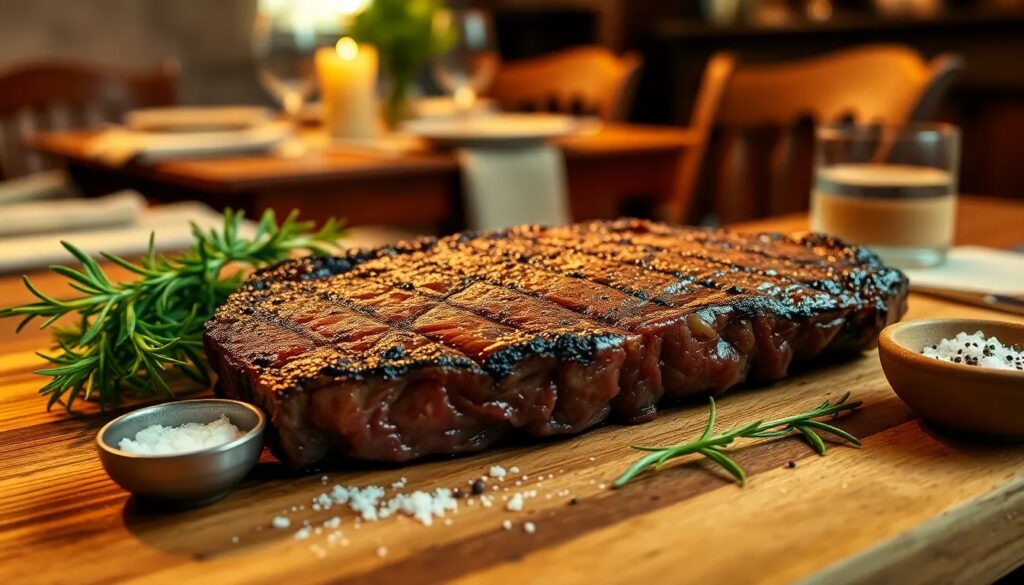
Flat iron steak is a delicious and affordable cut of beef that has gained immense popularity in recent years. Known for its tenderness and rich flavor, this steak is perfect for home cooking. The right marinade and cooking technique can elevate this cut to restaurant-quality meals.
In this article, we will explore everything you need to know about steak flat iron, from what it is to how to cook it perfectly. Additionally, we’ll provide expert tips and delicious pairings to enhance your dining experience.
Table of Contents
- What is flat iron steak?
- Flat iron steak marinade: how to create the perfect flavor
- How to cook flat iron steak: a step-by-step guide
- What to serve with flat iron steak: delicious pairings
- Why is flat iron steak so affordable?
- Flat iron steak vs. flank steak: what’s the difference?
- Related questions about cooking flat iron steak
- Questions related to cooking flat iron steak
What is flat iron steak?
Flat iron steak is cut from the beef shoulder, specifically from the infraspinatus muscle. This cut is renowned for its tenderness and rich marbling, which contributes to its flavor. It is also sometimes referred to as butler's steak or oyster blade steak.
This steak became popular in the late 1990s and has since become a favorite among home cooks and chefs alike. The unique characteristics of flat iron steak make it an excellent choice for various cooking methods, including grilling, pan-searing, and even sous vide.
One of the reasons for its growing popularity is its affordability compared to other premium cuts like ribeye and filet mignon. With the right preparation and seasoning, flat iron steak can be a melt-in-your-mouth experience.
Flat iron steak marinade: how to create the perfect flavor
Creating a flavorful marinade is crucial for enhancing the taste of your steak flat iron. A good marinade not only adds flavor but also helps to tenderize the meat. Here are some key ingredients to consider:
- Olive oil
- Garlic (fresh or powder)
- Fresh herbs (like rosemary or thyme)
- Red wine or balsamic vinegar
- Salt and pepper to taste
To make your marinade, combine these ingredients in a bowl and whisk them together until well blended. Place your flat iron steak in a resealable bag or shallow dish, then pour the marinade over it. Seal the bag or cover the dish and refrigerate for at least 2-4 hours, or preferably overnight. This allows the flavors to penetrate the meat, resulting in a more flavorful dish.
When marinating, remember that the acidity in the marinade helps to break down the meat fibers, enhancing tenderness. However, avoid marinating for too long, as this could lead to the steak becoming mushy.
How to cook flat iron steak: a step-by-step guide
Cooking flat iron steak can be straightforward if you follow some expert tips. Here’s a simple step-by-step guide to help you achieve a perfect sear:
1. Choose your cooking method: You can grill, pan-sear, or broil flat iron steak. Each method has its unique benefits, but all can produce a delicious result.
2. Preheat your cooking surface: If grilling, heat your grill to high. For pan-searing, heat a cast-iron skillet over medium-high heat. Make sure it’s hot enough to sear but not smoking.
3. Season your steak: Before cooking, remove the steak from the marinade and pat it dry. Season generously with salt and pepper on both sides. This step is crucial for creating a tasty crust.
4. Cook the steak: For grilling, place the steak on the grill for about 4-5 minutes per side for medium-rare, depending on thickness. For pan-searing, cook for about 3-4 minutes on each side. Use a meat thermometer to check for doneness—the internal temperature should be around 130°F (54°C) for medium-rare.
5. Rest the steak: After cooking, let the steak rest for at least 5-10 minutes. This allows the juices to redistribute, ensuring a juicy and flavorful cut.
What to serve with flat iron steak: delicious pairings
Pairing your steak flat iron with the right sides can enhance your meal. Here are some delicious options to consider:
- Roasted vegetables (such as asparagus, carrots, or bell peppers)
- Garlic mashed potatoes or creamy polenta
- Fresh salads with vinaigrette dressing
- Grilled corn on the cob
- Garlic bread or crusty rolls
Wine pairing is also important, and a glass of Cabernet Sauvignon complements the rich flavors of flat iron steak beautifully. The tannins in the wine balance the marbling of the meat, creating a delightful dining experience.
Why is flat iron steak so affordable?
Flat iron steak is often more affordable than other popular cuts because it comes from the beef shoulder, which is less sought after. The shoulder is a well-exercised muscle, but with proper preparation and cooking methods, it can yield incredibly tender results.
Unlike premium cuts, the flat iron steak is typically available at a lower price point, making it accessible for more people. This affordability does not compromise its quality, as it offers excellent flavor and tenderness when cooked correctly.
The rise in popularity of flat iron steak has made it more widely available in grocery stores and butcher shops. This increased supply helps keep prices down, making it a great option for those wanting to enjoy a quality steak without breaking the bank.
Flat iron steak vs. flank steak: what’s the difference?
Both flat iron and flank steak are flavorful cuts, but they differ in texture and cooking methods. Here’s a comparison of the two:
Texture: Flat iron steak is known for its tenderness due to the marbling and muscle structure, whereas flank steak tends to be leaner and can be tougher if not cooked properly.
Cooking methods: Flat iron steak is versatile and can be cooked to various levels of doneness. In contrast, flank steak is best when marinated and cooked quickly over high heat, making it ideal for stir-frying or grilling.
Flavor: Both cuts offer robust flavors, but flat iron steak’s marbling provides a richer taste. Flank steak has a more pronounced beefy flavor, making it a favorite for dishes like fajitas or tacos.
Is flat iron good for steak?
Absolutely! Flat iron steak is considered one of the best cuts for steak lovers. Its combination of tenderness and flavor makes it ideal for various cooking methods. The marbling in the meat contributes to its juiciness, making it enjoyable whether grilled, pan-seared, or broiled. Many chefs recommend flat iron for its melt-in-your-mouth quality, particularly when marinated properly.
How should a flat iron steak be cooked?
Flat iron steak can be cooked using several methods, including grilling, broiling, or pan-searing. The key is to ensure that you do not overcook it. Ideally, cook it to medium-rare for the best texture and flavor, which is around 130°F (54°C). Letting the steak rest after cooking is crucial as it allows the juices to settle, ensuring a juicy bite with every slice.
What kind of steak is a flat iron steak?
Flat iron steak is a cut of beef derived from the shoulder area of the cow. It comes from the infraspinatus muscle and is known for its tenderness and rich flavor. This cut is also sometimes referred to as butler's steak or oyster blade steak. It gained popularity due to its affordability and the excellent quality it offers, making it a favorite among home cooks.
Is flat iron steak better than ribeye?
While both are excellent cuts of beef, each has its unique features. Ribeye is known for its rich marbling and flavor, making it a popular choice for steak enthusiasts. Flat iron steak, on the other hand, is leaner but still offers great tenderness and flavor. If you prefer a steak that is more budget-friendly without sacrificing quality, flat iron may be the better option for you.
If you want to know other articles similar to Steak flat iron: a guide to cooking and flavors you can visit the category Meat Recipes.


More embers