

Flank steak bavette: everything you need to know
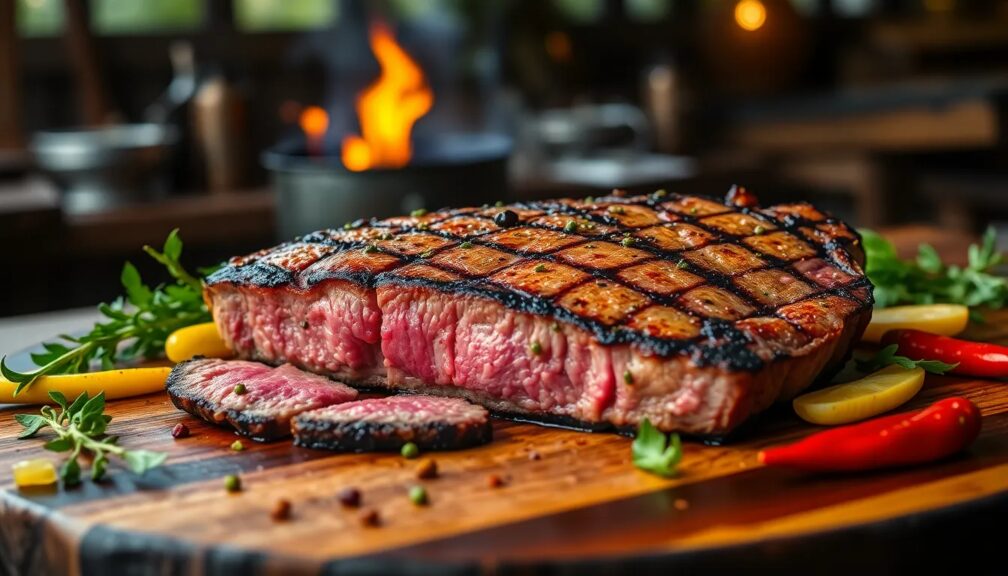
Bavette steak, also known as flank steak bavette, is a cut that many meat lovers are starting to appreciate. This flavorful and tender cut comes from the abdominal area of the cow, making it an excellent choice for grilling and pan-searing. In this article, we will explore everything you need to know about cooking, marinating, and serving bavette steak.
Table of Contents
- How to cook a bavette steak
- What is a bavette steak?
- How to grill bavette steak?
- Bavette steak vs flank steak: what are the differences?
- How to cook bavette steak in a pan?
- Easy marinated grilled bavette steak recipe
- What to serve with bavette steak?
- How to cook bavette steak in the oven?
- Related questions about bavette steak
How to cook a bavette steak
Cooking a bavette steak can be simple and rewarding. The key is to use the right techniques to preserve its natural tenderness and flavor. Whether grilling, pan-searing, or oven-roasting, each method has its advantages and can yield delicious results.
Grilling is a popular method for cooking bavette steak. The high heat ensures a nice sear, which enhances the beefy flavors. Additionally, this cut can also be cooked in a pan or even in the oven, making it versatile for any cooking style.
For the best results, always remember to slice against the grain. This technique will help maintain the tenderness of the meat, ensuring a juicy bite every time. Let’s dive deeper into various cooking methods for bavette steak.
What is a bavette steak?
Bavette steak is a flavorful cut of beef from the bottom sirloin section of the cow. Often referred to as flap meat, it is well-marbled, contributing to its tenderness and rich taste. Unlike flank steak, which is leaner, bavette has a higher fat content, making it especially juicy when cooked correctly.
This cut is also popular in French cuisine, where it is known for its ability to absorb marinades beautifully. Because of its loose grain, bavette is perfect for marinating, enhancing its flavor profile even further.
When properly cooked, bavette steak offers a deliciously robust flavor that pairs well with a variety of sides and sauces, making it a favorite among chefs and home cooks alike.
How to grill bavette steak?
Grilling bavette steak is an excellent way to achieve a smoky flavor that complements its natural richness. Here are some essential tips for grilling this cut:
- Preheat your grill to high heat to ensure a proper sear.
- Season the steak with salt and pepper or your favorite marinade.
- Cook the steak for about 4-5 minutes per side for medium-rare doneness.
- Always let the steak rest after grilling to allow the juices to redistribute.
To enhance the flavor, consider marinating the steak before grilling. A mixture of soy sauce, lime juice, and garlic works wonders, imparting a savory sweetness that's hard to resist.
Make sure to monitor the internal temperature, aiming for around 130°F (54°C) for medium-rare. Cooking it beyond that can lead to a tougher texture, which is not ideal for bavette steak.
Bavette steak vs flank steak: what are the differences?
While bavette and flank steak come from similar areas of the cow, there are distinct differences between the two. Bavette steak is thicker and more marbled compared to flank steak, which is leaner and has a tighter grain.
This marbling in bavette steak not only contributes to its tenderness but also enhances its flavor when cooked. While both cuts are excellent for grilling, bavette tends to be juicier and more forgiving in terms of cooking time.
Another key distinction is in the way they are used in dishes. Flank steak is often sliced for fajitas or stir-fries, while bavette steak can be served whole as a main dish or sliced for salads. Understanding these differences can help you choose the right cut for your recipes.
How to cook bavette steak in a pan?
Cooking bavette steak in a pan is a fantastic way to achieve a good sear without a grill. Here’s how to do it:
- Heat a cast-iron skillet over medium-high heat with a tablespoon of oil.
- Season the steak generously with salt and pepper.
- Add the steak to the pan and cook for about 4-5 minutes per side for medium-rare.
- Let the steak rest for 5-10 minutes before slicing.
This method allows for easy monitoring of doneness and ensures a beautifully caramelized crust. Just remember to adjust cooking time based on the thickness of your steak.
For added flavor, consider adding garlic and herbs to the pan during the last few minutes of cooking. Basting the steak with this infused oil can elevate the overall taste.
Easy marinated grilled bavette steak recipe
Here’s a quick and delicious recipe for marinated grilled bavette steak that you can whip up in no time:
- 1 lb bavette steak
- 1/4 cup soy sauce
- 2 tbsp lime juice
- 1 tbsp honey
- 3 cloves garlic, minced
Combine all ingredients in a bowl or zip-top bag and marinate for at least 30 minutes, preferably overnight. Preheat your grill, then cook the steak for 4-5 minutes on each side for medium-rare. Let it rest, slice against the grain, and serve!
This simple marinade not only enhances the flavor but also tenderizes the meat, making it a go-to for busy weeknight dinners.
What to serve with bavette steak?
Bavette steak pairs wonderfully with a variety of sides that complement its rich flavors. Here are some popular options:
- Grilled vegetables, such as asparagus and bell peppers.
- Garlic mashed potatoes for a creamy texture.
- Fresh salads with vinaigrette to balance the richness.
- Crusty bread to soak up any juices.
Additionally, sauces like chimichurri or salsa verde can enhance the dish further, adding brightness and acidity that contrast beautifully with the steak's richness.
How to cook bavette steak in the oven?
If you prefer to cook bavette steak in the oven, it can be achieved using the broiling method. Here’s how:
- Preheat your broiler and place the steak on a broiler pan.
- Season with your favorite spices, then broil for about 5-6 minutes per side.
- Check the internal temperature, aiming for 130°F (54°C) for medium-rare.
- Let it rest for at least 5 minutes before slicing.
This method is ideal for colder months when grilling outside isn’t an option. The oven method still delivers a fantastic sear and juicy, flavorful steak.
Don’t forget to cut against the grain after cooking to preserve tenderness and juiciness. Enjoy it alongside your favorite sides for a complete meal.
Is flank steak the same as bavette?
No, flank steak and bavette are not the same, although they come from similar regions of the cow. Bavette steak is thicker and more marbled than flank steak, giving it a juicier texture when cooked.
While both cuts are excellent for grilling and can be used interchangeably in some dishes, they have different flavor profiles. Flank steak is leaner and tends to be slightly tougher than bavette.
What is bavette steak called in the USA?
In the USA, bavette steak is often referred to as flap meat or simply as bavette. It’s a cut that may not be as commonly found in supermarkets but can be sourced at specialty butcher shops.
Some people might mistake it for flank steak due to its similar location on the cow, but its marbling and tenderness set it apart. If you’re looking to try this cut, asking your butcher directly is your best bet.
Is a bavette steak a good steak?
Absolutely! Bavette steak is considered a flavorful and tender cut that is perfect for grilling or pan-searing. Its higher fat content compared to flank steak results in a juicy, rich flavor that many steak lovers appreciate.
When cooked properly, bavette steak can be a delicious centerpiece for any meal, making it a great option for barbecues or family dinners.
What is the best way to cook bavette?
The best way to cook bavette steak depends on your personal preference, but grilling is widely regarded as one of the top methods. The high heat of the grill gives it a fantastic sear while keeping the inside tender.
Alternatively, pan-searing or broiling in the oven are excellent methods as well. Regardless of the cooking method, always remember to allow the steak to rest before slicing to retain its juices.
If you’re interested in a visual guide to grilling bavette steak, check out this helpful video that showcases the process:
If you want to know other articles similar to Flank steak bavette: everything you need to know you can visit the category Meat Recipes.


More embers