

Ribeye beef steak guide
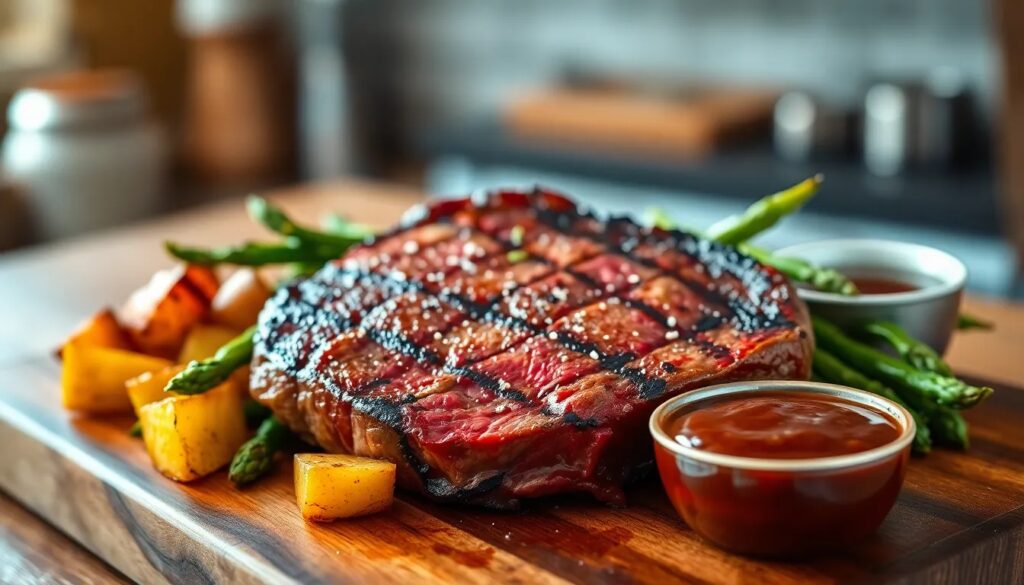
The ribeye beef steak is often celebrated as one of the most flavorful cuts of beef. Known for its rich marbling and tenderness, this cut is perfect for grilling, roasting, or even pan-searing. Understanding how to prepare ribeye steaks can elevate your culinary skills and impress your guests.
In this guide, we'll explore various methods to cook ribeye steaks, what makes them special, and tips for sourcing high-quality cuts.
Table of Contents
How to grill ribeye steaks?
Grilling ribeye steaks can be a delightful experience that brings out the rich flavors of the meat. The key to a successful grill is selecting the right temperature and timing. For the best results, preheat your grill to a high temperature, allowing the steaks to sear properly.
Season your ribeye beef steak generously with salt and pepper, focusing on the marbled areas to enhance flavor. Place the steak on the grill and let it cook undisturbed for a few minutes. Flip it only once to achieve those beautiful grill marks.
- Cook the steak for about 4-5 minutes on one side, depending on thickness.
- Flip the steak, and cook for another 4-5 minutes for medium-rare.
- Use a meat thermometer to check for doneness; 130°F is ideal for medium-rare.
Once cooked, allow the steak to rest for at least 5 minutes before slicing. This helps retain the juices, making each bite tender and flavorful.
What makes ribeye steak special?
The ribeye steak stands out due to its unique marbling, which contributes to its tenderness and rich flavor. This marbling comes from the intramuscular fat that melts during cooking, creating a juicy steak experience.
Additionally, the ribeye is cut from the longissimus dorsi muscle, which doesn’t get much exercise, making it exceptionally tender. This cut offers a robust beef flavor that’s hard to match.
Another reason ribeye steaks are favored is their versatility. They can be grilled, roasted, or cooked in various styles, making them suitable for different occasions and cooking methods.
Why choose ribeye steaks from Kansas City Steaks?
Kansas City Steaks is renowned for sourcing high-quality ribeye cuts. Their steaks are aged to enhance flavor and tenderness, offering a premium dining experience right at home.
Choosing ribeye steaks from Kansas City means you are opting for consistency in quality. They provide both boneless and bone-in options, catering to various preferences.
- High-quality marbling for superior taste.
- Strict quality control to ensure freshness.
- Convenient delivery options to your door.
Plus, their steaks are often paired with expert cooking tips, ensuring you achieve the best results when preparing your ribeye beef steak.
How to cook ribeye steak in the oven?
Cooking ribeye steak in the oven is an excellent method, especially when you want a perfectly cooked steak without the hassle of grilling. Start by seasoning your steak well with salt and pepper.
Preheat your oven to 400°F (200°C). Sear your ribeye in a hot skillet on the stovetop for about 3-4 minutes on each side until a crust forms. Then transfer the skillet to the preheated oven.
- Bake for about 6-8 minutes for medium-rare.
- Check for doneness using a meat thermometer.
- Allow resting time of 5-10 minutes before slicing to retain juices.
This method provides a juicy interior and a delicious crust, making it ideal for those who prefer oven cooking.
What is a cowboy cut ribeye steak?
The cowboy cut ribeye steak is a bone-in version of the traditional ribeye, known for its impressive presentation and rich flavor profile. The cut includes a longer portion of the rib bone, which not only enhances flavor but also provides an eye-catching appearance for your dining table.
This cut is often thicker than standard ribeyes, which allows for a more even cooking process. Many prefer the cowboy cut for special occasions due to its size and flavor.
When cooking a cowboy cut, follow similar grilling or roasting techniques as you would for a regular ribeye, but be mindful of the cooking time due to its thickness.
How long does ribeye steak delivery take?
The delivery time for ribeye steaks can vary depending on the provider. Most reputable suppliers, like Kansas City Steaks, typically offer fast shipping options, often delivering within 2-3 business days.
It's essential to check the specific details on the supplier's website, as some may offer expedited shipping for an additional fee. Ensuring proper packaging is also crucial to maintain the steak's freshness during transit.
Additionally, many suppliers provide tracking information, allowing you to monitor your order's progress right to your doorstep.
Is beef ribeye a good steak?
Absolutely! The beef ribeye is considered one of the best cuts due to its flavor and tenderness. Its marbling ensures a juicy and rich taste, making it a favorite among steak lovers.
Moreover, the ribeye is versatile, easily adapting to various cooking methods, each enhancing its inherent flavors. Whether grilled, pan-seared, or roasted, the ribeye remains moist and flavorful throughout the cooking process.
How is rib eye steak best cooked?
Ribeye steaks can be cooked using various methods, but grilling and pan-searing are often preferred for their ability to create a savory crust while keeping the meat tender inside. The key is to ensure high heat at the start to achieve a good sear.
Another effective method is sous vide, where the steak is vacuum-sealed and cooked in a water bath at a precise temperature for several hours, followed by a quick sear. This guarantees a perfectly cooked ribeye steak every time.
What is the 3-3-3 rule for steaks?
The 3-3-3 rule is a simple guideline for cooking steaks, including ribeyes. It suggests that you should cook the steak for 3 minutes on one side, flip it, and cook for another 3 minutes, then let it rest for 3 minutes before serving.
This technique is particularly effective for steaks that are about one inch thick, ensuring a nice crust while keeping the inside juicy. Adjust the cooking times based on the thickness and desired doneness.
Is ribeye steak moist or dry?
Ribeye steak is known for being moist due to its high fat content and marbling. This fat melts during cooking, adding flavor and moisture to the meat, leading to a juicy eating experience.
When cooked correctly, ribeye steaks should never be dry. The key is to avoid overcooking, as this can lead to a loss of juiciness. Following proper cooking techniques will ensure a moist and flavorful ribeye steak every time.
If you want to know other articles similar to Ribeye beef steak guide you can visit the category Meat Recipes.


More embers