
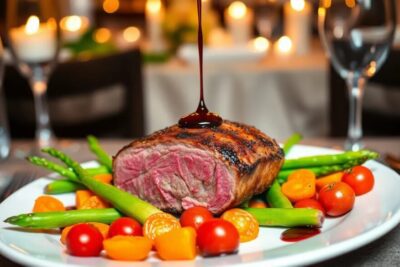
Rib roast for prime rib: the ultimate guide
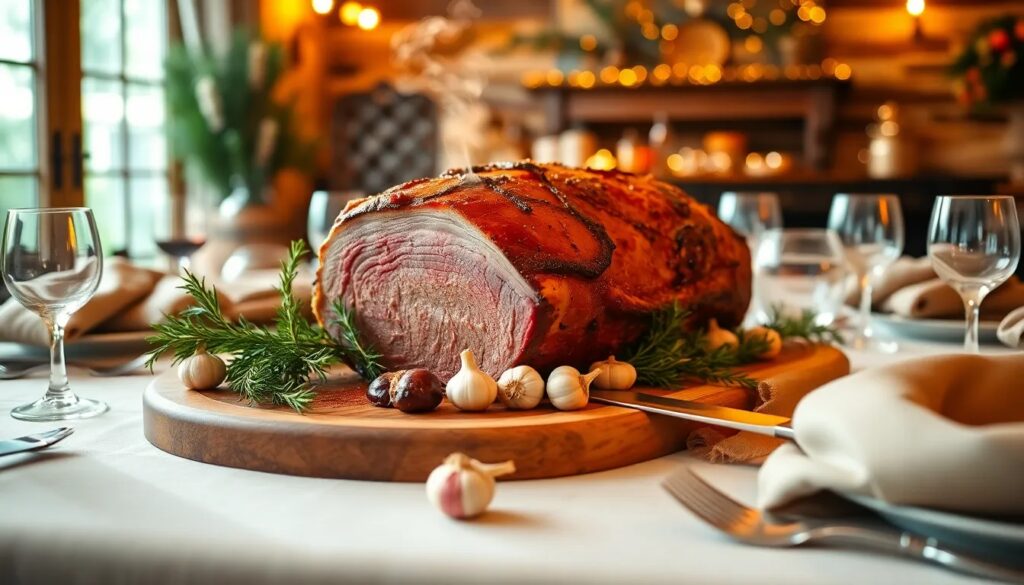
When it comes to special occasions and holiday feasts, nothing beats a perfectly cooked prime rib. This guide provides everything you need to know about rib roast for prime rib, from picking the right cut to cooking it to perfection. Whether you're a seasoned chef or a novice in the kitchen, this comprehensive article will help you impress your guests.
Understanding the intricacies of prime rib can elevate your culinary skills and ensure juicy, delicious results every time. Let’s dive into the details, techniques, and tips that make a prime rib roast a true show-stopper.
Table of Contents
- What is prime rib?
- How much do you need for your guests?
- Bone-in or boneless prime rib: which is better?
- How to cook rib roast for prime rib perfectly?
- What temperature should you cook rib roast for prime rib?
- Tips for perfect prime rib: achieving the best results
- Perfect sides to serve with prime rib
- How to carve prime rib for maximum tenderness?
- Related questions about rib roast for prime rib
What is prime rib?
Prime rib, also known as a standing rib roast, is a cut of beef from the primal rib section. This cut is known for its rich flavor and tenderness, making it a popular choice for festive occasions. Often marbled with fat, prime rib delivers a juicy and succulent experience that is hard to match.
The name “prime rib” can sometimes be misleading. While it refers to the cut, it doesn’t always mean it’s from USDA Prime beef. The term can apply to Choice and Select grades as well. However, if you want the best flavor and tenderness, look for USDA Prime beef.
Many people prefer the bone-in version of prime rib, as it is believed to enhance flavor and keep the meat moist during cooking. However, boneless options are also available and can be easier to carve.
How much do you need for your guests?
Determining the right amount of rib roast for prime rib is crucial for ensuring everyone gets enough to eat without excessive leftovers. A good rule of thumb is to plan for about 1 pound of bone-in prime rib per person and about ¾ pound for boneless cuts.
For example, if you’re hosting a dinner for 8 people, you should aim for a 8-pound bone-in roast or a 6-pound boneless roast. Additionally, consider the sides you will be serving, as these can significantly affect how much meat is consumed.
- 8-10 guests: 8-10 lbs bone-in or 6-8 lbs boneless
- 4-6 guests: 4-6 lbs bone-in or 3-4 lbs boneless
- Special occasions: Factor in larger appetites and adjust accordingly
Ultimately, it’s better to have a little extra than to run out, especially with such a popular dish!
Bone-in or boneless prime rib: which is better?
Choosing between bone-in and boneless prime rib often comes down to personal preference. A bone-in roast is typically more flavorful due to the marrow, which infuses the meat as it cooks. Additionally, the bones help to insulate the meat, leading to more even cooking.
On the other hand, boneless prime rib is easier to slice and serve. This option is ideal for those who may struggle with carving a bone-in roast. Also, boneless cuts can be seasoned more thoroughly, allowing for better flavor penetration.
Ultimately, both options can yield delicious results. If you’re looking for great flavor and presentation, go for bone-in. If convenience is key, choose boneless.
How to cook rib roast for prime rib perfectly?
Cooking rib roast for prime rib to perfection requires attention to detail and proper technique. Start by bringing the roast to room temperature before cooking, which can help it cook more evenly. Season generously with salt and your choice of herbs, such as rosemary and thyme.
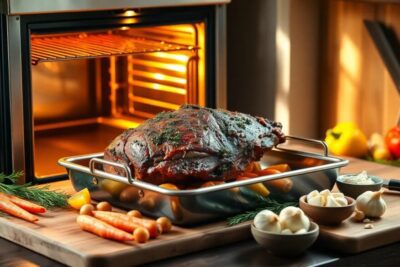
One of the most effective methods is Chef John’s 500 Rule. This entails cooking the roast at 500°F for the first 15 minutes and then reducing the temperature to 325°F until the desired doneness is reached. This method ensures a beautifully crusted exterior while keeping the inside tender.
- Preheat your oven to 500°F.
- Season the roast and let it sit at room temperature for about an hour.
- Place the roast in the oven for 15 minutes.
- Lower the oven temperature to 325°F and use a meat thermometer to check for doneness.
- Rest the roast for at least 20-30 minutes before carving.
Using a meat thermometer is crucial to avoid overcooking. Aim for an internal temperature of 120°F for rare, 130°F for medium-rare, and 140°F for medium.
What temperature should you cook rib roast for prime rib?
For the best results, rib roast for prime rib is typically cooked using a two-temperature approach. Start at a high temperature of 500°F to create a nice crust and then lower it to 325°F to finish cooking.
Here’s a breakdown of target internal temperatures:
- Rare: 120°F
- Medium-Rare: 130°F
- Medium: 140°F
- Medium-Well: 150°F
- Well Done: 160°F and above
Remember to remove the roast from the oven a few degrees before it reaches the desired temperature, as it will continue to cook while resting. This resting period is crucial for redistributing the juices and enhancing tenderness.
Tips for perfect prime rib: achieving the best results
Achieving the perfect prime rib requires attention to various factors. One of the most important aspects is seasoning. Use a mix of herb and garlic seasoning to enhance the natural flavors of the meat.
Another essential tip is to let the roast rest after cooking. This step allows the juices to redistribute, resulting in a juicier cut. Aim for at least a 20-minute rest period, but longer is often better.
Here are some additional tips:
- Preheat your oven and use a roasting pan with a rack.
- Consider using a dry brine overnight for deeper flavor.
- Monitor the internal temperature closely with a meat thermometer.
Implementing these tips will help ensure that your prime rib is the talk of the table!
Perfect sides to serve with prime rib
Choosing the right sides can enhance your prime rib experience. Classic accompaniments include mashed potatoes, which offer a creamy texture that complements the beef beautifully. You may also consider roasted vegetables or a fresh salad.
Here are some great side options to consider:
- Garlic mashed potatoes
- Roasted Brussels sprouts
- Yorkshire pudding
- Green bean almondine
- Mixed greens salad
These sides not only pair well with prime rib but also create a well-rounded meal that your guests will love.
How to carve prime rib for maximum tenderness?
Carving prime rib properly is essential for presentation and tenderness. Begin by letting the roast rest, then use a sharp carving knife to slice against the grain. This technique ensures that each piece is tender and easy to chew.
Start by cutting the string or twine that holds the roast together, if applicable. Then, remove the ribs from the meat if it’s a bone-in roast, and place the meat on a cutting board. Cut in even slices, aiming for about 1-inch thickness.
For those new to carving, here’s a quick guide:
- Let the roast rest for at least 20 minutes.
- Use a sharp knife for clean cuts.
- Slice against the grain for maximum tenderness.
With these tips, you’ll serve beautifully sliced prime rib that showcases your culinary skills!
Can you use rib roast for prime rib?
Yes, rib roast is indeed used for prime rib. It is essentially the same cut but can refer to either bone-in or boneless versions. The key is to select a quality cut that has good marbling to ensure tenderness and flavor.
What type of roast is best for prime rib?
The best roast for prime rib is a bone-in rib roast, as it enhances flavor and moisture during cooking. However, a boneless rib roast can also be a great choice, especially for ease of carving.
What cut do you use for prime rib?
The cut used for prime rib comes from the primal rib section of the cow, specifically the ribs between 6 and 12. This area is known for its marbling, which contributes to the meat's flavor and tenderness.
How long to cook a 3 lb prime rib roast with bone?
For a 3 lb bone-in prime rib roast, the cooking time will vary depending on the desired doneness. Generally, you can expect to cook it for about 15-20 minutes per pound at 325°F after the initial high-heat sear. Always use a meat thermometer to check for accuracy.
In summary, with the right techniques, you can prepare a delicious rib roast for prime rib that is sure to impress your guests. Happy cooking!
If you want to know other articles similar to Rib roast for prime rib: the ultimate guide you can visit the category Meat Recipes.
More embers