

Msg seasonings: everything you need to know
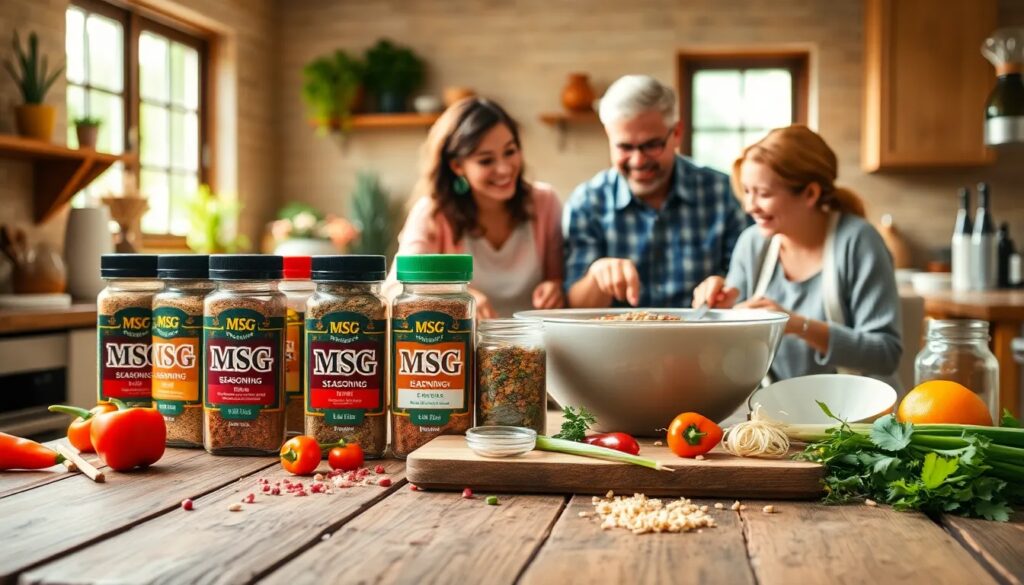
MSG, or monosodium glutamate, is a flavor enhancer that has gained popularity for its ability to amplify the umami taste in dishes. Found in various cuisines, especially Asian, MSG is often misunderstood, leading to misconceptions about its safety and health effects. This article delves into MSG seasonings, providing insights into its uses, benefits, and precautions.
Table of Contents
What is MSG?
Monosodium glutamate, commonly known as MSG, is a sodium salt of glutamic acid, an amino acid found naturally in many foods. MSG is primarily used as a flavor enhancer, offering a savory taste that complements various dishes. It was first discovered in 1908 by Japanese chemist Kikunae Ikeda, who isolated it from seaweed broth and recognized its unique flavor profile.
Today, MSG is manufactured through fermentation processes similar to those used to produce yogurt and vinegar. This process involves breaking down sugars from sources like sugarcane or corn, resulting in the production of glutamic acid, which is then combined with sodium to create MSG. Its widespread use can be seen in processed foods, snack items, and restaurant dishes.
Despite its prevalence, some consumers are wary of MSG due to reports suggesting potential health risks. However, regulatory bodies like the FDA have classified MSG as safe for consumption when used appropriately.
What does MSG taste like?
MSG is renowned for its ability to enhance the taste of food without overpowering it. The primary flavor associated with MSG is known as umami, often described as a rich, savory taste that is naturally found in foods such as tomatoes, cheese, and mushrooms.
This unique flavor profile makes MSG an excellent addition to a variety of dishes, including soups, stews, and marinades. When added to recipes, MSG elevates the overall flavor, allowing other ingredients to shine while providing depth and complexity.
The taste of MSG can be likened to the sensation of savoriness that enhances a meal. Many chefs and home cooks appreciate its ability to round out flavors, making it a valuable tool in the kitchen.
Why is MSG added to certain foods?
The inclusion of MSG in food products serves several purposes. Primarily, it acts as a flavor enhancer, intensifying the natural flavors of ingredients without the need for excess salt. This is particularly beneficial for those seeking to reduce sodium intake while still enjoying flavorful meals.
Additionally, MSG can promote the perception of freshness in frozen and processed foods. It helps maintain a rich taste that may otherwise diminish during storage or cooking processes. This characteristic has made MSG a popular choice among food manufacturers looking to enhance their product offerings.
- Enhances the umami flavor in dishes.
- Reduces the need for excessive salt.
- Preserves flavor in processed foods.
- Improves the overall taste profile.
Ultimately, MSG is added to foods to create a more enjoyable eating experience, making it a staple in both professional kitchens and home cooking.
Is MSG bad for you?
The question of MSG's safety has been the subject of much debate. Early studies linked MSG to various health issues, leading to public concern. However, extensive research conducted by organizations such as the FDA and the World Health Organization has found no conclusive evidence to support these claims.
In moderate amounts, MSG is considered safe for the general population. Some individuals may experience mild adverse reactions, such as headaches or flushing, often referred to as "Chinese restaurant syndrome." However, these reactions are not common and typically occur in sensitive individuals consuming large quantities.
It's essential to understand that MSG should be consumed as part of a balanced diet. Overconsumption of any flavor enhancer can lead to health issues, but when used appropriately, MSG poses minimal risk.
Who is at increased risk for having an adverse reaction to MSG?
While most individuals can enjoy MSG without issues, certain groups may be more sensitive to its effects. Those with specific health conditions, such as asthma, may experience heightened sensitivity to MSG, potentially leading to adverse reactions.
Additionally, individuals who consume large quantities of MSG regularly may be more prone to experiencing side effects. It's always wise to monitor how your body responds to foods containing MSG and adjust your intake accordingly.
If you suspect sensitivity to MSG, consult with a healthcare professional for personalized advice. They can help determine whether limiting MSG in your diet is necessary for your health and well-being.
Why to consider limiting foods with MSG?
Although MSG is generally recognized as safe, some individuals choose to limit their intake for various reasons. One of the primary concerns is the potential for adverse reactions in sensitive individuals, as mentioned earlier. Additionally, some people prefer to avoid additives in their diet altogether, opting for natural flavorings instead.
Another reason to consider limiting MSG is its prevalence in processed foods. Many packaged and prepared meals contain MSG, which may contribute to higher sodium levels in your diet. Reducing consumption of these foods can help maintain a healthier lifestyle.
Furthermore, understanding how to enhance flavors using natural seasonings can lead to more nutritious and wholesome meals. By focusing on fresh herbs and spices, you can create delicious dishes without relying on additives like MSG.
Tips for using MSG seasonings in home cooking
When incorporating MSG into your home cooking, there are several tips to keep in mind for the best results:
- Start small: Begin with a small amount of MSG and gradually increase as needed. A little goes a long way!
- Combine with other seasonings: Use MSG alongside herbs and spices to create a well-rounded flavor profile.
- Use in moderation: While MSG can enhance flavors, it should be used judiciously as part of a balanced diet.
- Experiment with different dishes: MSG works well in soups, sauces, and marinades, so don't be afraid to explore its versatility.
- Read labels: Be aware of the MSG content in processed foods and try to choose products with lower levels or made without additives.
By following these tips, you can effectively use MSG seasonings to enhance your home-cooked meals while maintaining a mindful approach to your overall health.
What is MSG and why should you avoid it?
MSG, or monosodium glutamate, is a flavor enhancer that many people associate with negative health effects. While it’s true that some individuals might have sensitivity to MSG, leading to mild reactions, it's essential to recognize that extensive research has determined MSG is safe for most people when consumed in moderation. If you’re concerned about potential side effects, it can be wise to monitor your intake and consult with a healthcare provider.
What seasoning is MSG?
MSG is primarily a flavor enhancer that is often categorized as a seasoning. It intensifies the umami taste in foods, making it a popular choice in various cuisines, especially Asian cooking. It's commonly found in processed foods, snacks, and restaurant dishes. While it enhances flavor, it's important to use it judiciously, as part of a broader seasoning strategy.
Is MSG healthier than salt?
MSG contains less sodium than table salt, making it a healthier option for those looking to reduce their sodium intake. Since it enhances flavor with less sodium, using MSG can help maintain taste while being mindful of health. However, individuals should consider their total sodium consumption, as excessive intake from any source can lead to health concerns.
Is MSG healthy now?
The consensus among health organizations is that MSG is safe for most people when consumed in moderation. It can add flavor without the added sodium found in traditional salt. While some may experience reactions, the majority of individuals can enjoy MSG without adverse effects. Thus, it can be a healthy addition to a balanced diet if used thoughtfully.
If you want to know other articles similar to Msg seasonings: everything you need to know you can visit the category Seasoning & Marinades.

More embers