
Rib eye steak guide
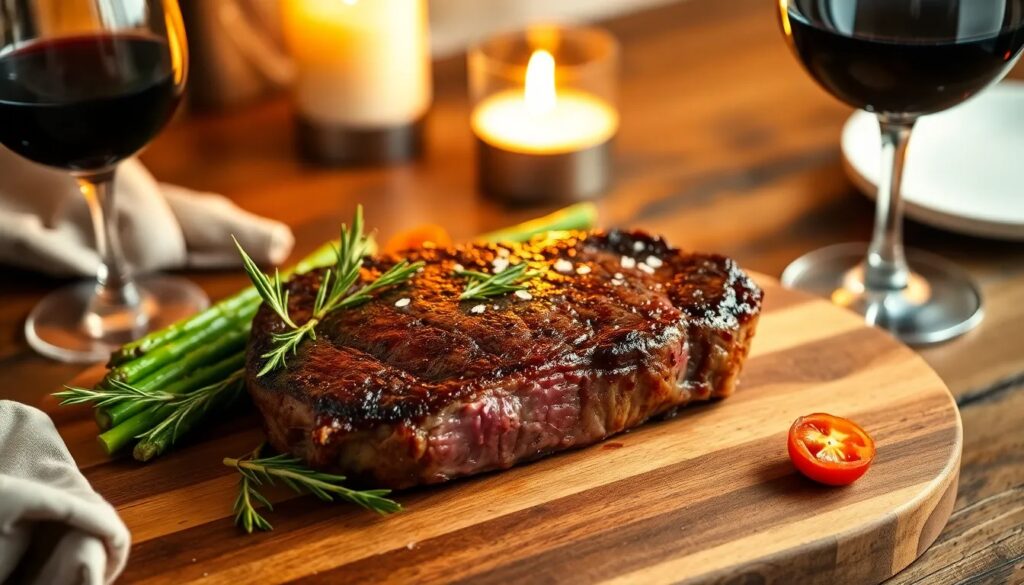
The rib eye steak is a beloved cut of beef renowned for its tenderness and rich flavor. This guide will explore everything you need to know about this delectable cut, from its unique characteristics to Cooking tips and pairings. Whether you're a seasoned chef or a novice cook, this article will help you achieve the perfect rib eye experience.
Understanding the rib eye steak is essential for anyone looking to enjoy this culinary delight. With its marbled fat and robust flavor, it stands out as one of the best cuts of beef available. Let’s dive into the details!
Index
What is a rib eye steak?
The rib eye steak is a premium cut of beef derived from the longissimus dorsi muscle, located along the spine of the cow. This muscle is less exercised than others, which contributes to the steak's tenderness and rich flavor.
In different regions, the rib eye is known by various names. For instance, it is called the Scotch fillet in Australia and New Zealand, while in France, it is referred to as entrecôte. In Argentina, it is known as ojo de bife, showcasing its global popularity.
 Core temp pork: safe cooking temperatures explained
Rib eye steaks can be found in two main forms: boneless and bone-in. The bone-in variety is often considered more flavorful due to the additional marbling and the presence of the rib bone.
What makes rib eye steak special?
The rib eye steak is widely regarded for its exceptional marbling, which consists of fat interspersed within the muscle. This marbling ensures that the steak remains juicy and flavorful during cooking.
- Tenderness: The longissimus dorsi muscle is not heavily used, resulting in a tender texture.
- Flavor: The fat content enhances the beef’s natural flavors, making it a favorite among steak lovers.
- Versatility: Rib eye steaks can be grilled, pan-fried, or even roasted, making them suitable for various cooking methods.
- Global Recognition: Its popularity spans across different cultures and cuisines, each adding their unique twist.
Moreover, the rib eye can be used in various culinary applications, from simple grilling to more elaborate dishes, such as prime rib. Its versatility makes it a favorite among home cooks and chefs alike.
Why choose rib eye steaks from Kansas City Steaks?
Kansas City Steaks is renowned for providing premium quality cuts of beef, including their rib eye steaks. One of the main reasons to choose their products is the commitment to aging the beef for optimal flavor and tenderness.
Core temp pork: safe cooking temperatures explained Core temperature pork: safe cooking guidelines
The company sources its rib eye from the beef rib section, ensuring that each steak is not only flavorful but also tender. Their products come with a satisfaction guarantee, making it a reliable choice for consumers.
Additionally, Kansas City Steaks offers both boneless and bone-in options, allowing customers to choose based on their cooking preferences. Their steaks are ideal for grilling, pan-frying, or even sous vide cooking methods.
How to cook rib eye steak perfectly?
Cooking rib eye steak to perfection requires attention to detail. Here are some essential tips to ensure your steak is cooked just right:
- Choose the Right Cut: Ensure you select a rib eye with good marbling for maximum flavor.
- Season Generously: Use salt and pepper or your favorite steak rub to enhance the natural flavors.
- Bring to Room Temperature: Let the steak sit out for about 30 minutes before cooking for even cooking.
- Use High Heat: Preheat your grill or pan to high heat for a proper sear.
- Rest the Steak: After cooking, allow the steak to rest for at least five minutes to redistribute the juices.
Cooking times will vary based on the thickness of the steak and your desired doneness. A general rule of thumb is to grill a 1-inch thick rib eye for about 4-5 minutes per side for medium-rare.
Core temp pork: safe cooking temperatures explainedCore temperature pork: safe cooking guidelines Doneness of steak: a complete guide
What are the best pairings for rib eye steak?
When it comes to pairing food and wine with rib eye steak, there are several excellent options to enhance your dining experience. Some popular pairings include:
- Red Wine: A full-bodied red wine, such as Cabernet Sauvignon or Malbec, complements the rich flavors of the steak.
- Vegetables: Grilled asparagus or sautéed mushrooms add a delicious contrast to the meat.
- Starches: Mashed potatoes or a flavorful risotto make excellent side dishes.
- Sauces: A rich red wine reduction or chimichurri sauce can elevate the dish.
Additionally, incorporating herbs like rosemary or thyme into your seasoning can add an aromatic touch to the flavor profile of the rib eye.
How should rib eye steaks be stored and handled?
Proper handling and storage of rib eye steaks are crucial to maintaining their quality. Follow these guidelines to ensure freshness:
- Refrigeration: Store rib eye steaks in the coldest part of your refrigerator, wrapped tightly to prevent air exposure.
- Freezing: If you won’t use the steaks within a few days, freezing is an excellent option. Wrap them in plastic wrap and then in aluminum foil to prevent freezer burn.
- Thawing: Always thaw steaks in the refrigerator, not at room temperature, to prevent bacterial growth.
When handling raw beef, ensure you practice good hygiene by washing your hands and surfaces thoroughly to prevent cross-contamination.
Core temp pork: safe cooking temperatures explainedCore temperature pork: safe cooking guidelinesDoneness of steak: a complete guide Pork internal temp: what you need to know
Is a rib eye a good steak?
Absolutely! The rib eye is often considered one of the best cuts of steak due to its exceptional flavor and tenderness. Many steak aficionados prefer it over other cuts because of its marbling, which adds juiciness and depth of flavor.
Moreover, its versatility in cooking methods makes it a popular choice among both home cooks and professional chefs. Whether grilled, pan-seared, or roasted, a rib eye steak can deliver a satisfying meal every time.
How is ribeye best cooked?
The rib eye is best cooked using high heat methods, such as grilling or pan-searing. Cooking to medium-rare is often recommended, as this allows the fat to render beautifully, enhancing the steak's flavor.
Using a meat thermometer can help you achieve the perfect doneness. For medium-rare, aim for an internal temperature of about 130-135°F (54-57°C). Resting the meat after cooking is also vital to ensure the juices are retained.
Core temp pork: safe cooking temperatures explainedCore temperature pork: safe cooking guidelinesDoneness of steak: a complete guidePork internal temp: what you need to know Timer for 1 hours
Which part of a cow is ribeye?
The rib eye steak comes from the rib section of the cow, specifically the longissimus dorsi muscle. This area is located along the spine, and because it is not heavily used, it results in a tender and flavorful cut.
This section of the cow typically spans from ribs six to twelve, and when butchered correctly, it yields both boneless and bone-in rib eye steaks, each offering unique flavors and textures.
Is a ribeye better than a filet mignon?
Whether rib eye is better than filet mignon largely depends on personal preference. The rib eye is known for its rich flavor and tenderness due to its marbling, while filet mignon is praised for its buttery texture.
If you prefer a steak with a robust flavor, rib eye is an excellent choice. However, if you prefer a leaner cut with a more subtle taste, filet mignon might be your go-to. Ultimately, both cuts have their merits and can be enjoyed on different occasions.
Core temp pork: safe cooking temperatures explainedCore temperature pork: safe cooking guidelinesDoneness of steak: a complete guidePork internal temp: what you need to knowTimer for 1 hours 7 pound movie review
If you want to know other articles similar to Rib eye steak guide you can visit the category Meat Recipes.
Grilled rabbit recipes for every occasion

Roast rabbits: recipes and tips for perfect results

Ribeye beef steak guide
Deja una respuesta

Gestionar consentimiento
Funcional Siempre activo
El almacenamiento o acceso técnico es estrictamente necesario para el propósito legítimo de permitir el uso de un servicio específico explícitamente solicitado por el abonado o usuario, o con el único propósito de llevar a cabo la transmisión de una comunicación a través de una red de comunicaciones electrónicas.
Preferencias
El almacenamiento o acceso técnico es necesario para la finalidad legítima de almacenar preferencias no solicitadas por el abonado o usuario.
Estadísticas
El almacenamiento o acceso técnico que es utilizado exclusivamente con fines estadísticos. El almacenamiento o acceso técnico que se utiliza exclusivamente con fines estadísticos anónimos. Sin un requerimiento, el cumplimiento voluntario por parte de tu proveedor de servicios de Internet, o los registros adicionales de un tercero, la información almacenada o recuperada sólo para este propósito no se puede utilizar para identificarte.
Marketing
El almacenamiento o acceso técnico es necesario para crear perfiles de usuario para enviar publicidad, o para rastrear al usuario en una web o en varias web con fines de marketing similares.
More embers