
Reverse sear steak guide
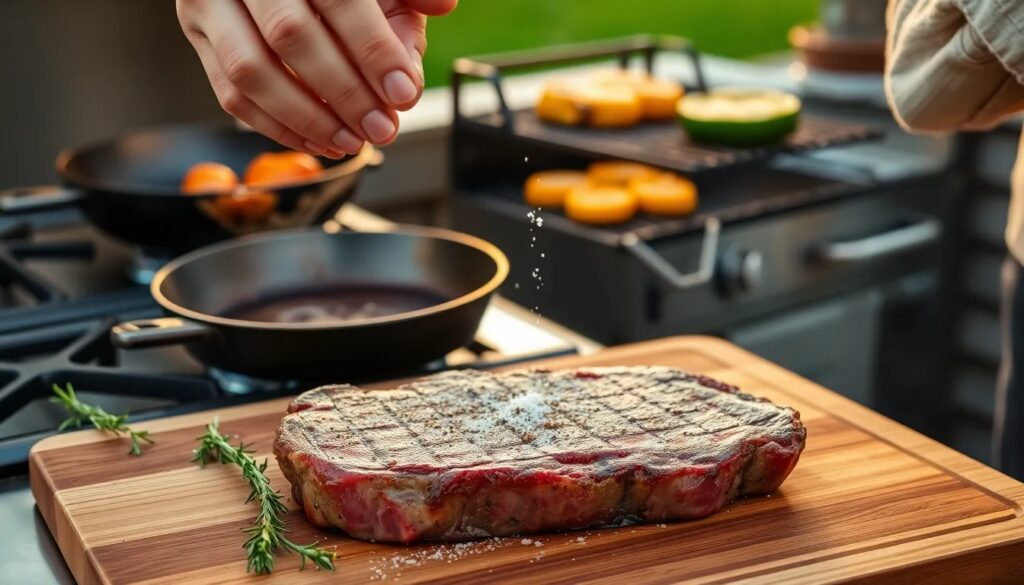
The reverse sear steak method has gained popularity among culinary enthusiasts for its ability to create a perfectly cooked steak with a rich crust and tender interior. This technique involves Cooking the steak slowly at a low temperature before finishing it with a high-heat sear, ensuring that every bite is flavorful and juicy.
In this guide, we will explore how to reverse sear a steak, the benefits of this cooking method, and tips for achieving the best results. Whether you are a novice cook or a seasoned chef, this technique will take your steak game to the next level.
Index
How to cook a steak with reverse sear method
Cooking a steak using the reverse sear method is relatively straightforward, but it requires attention to detail and proper technique. Here’s a simple step-by-step process:
- Choose your steak: Opt for thick cuts like ribeye, filet mignon, or strip steak. These cuts work best for the reverse sear method due to their thickness.
- Preheat your oven: Set your oven to a low temperature, around 225°F (107°C). This allows for gentle cooking, which is crucial for even doneness.
- Season the steak: Generously season your steak with salt and pepper, or your favorite steak rub. Let it rest at room temperature for about 30 minutes before cooking.
- Cook in the oven: Place the steak on a wire rack over a baking sheet and insert a meat thermometer. Cook until the internal temperature reaches about 10-15°F below your desired doneness.
- Sear the steak: Heat a skillet or grill over high heat. Add a bit of oil, and once the pan is hot, sear the steak for 1-2 minutes on each side to develop a crust.
By following these steps, you can achieve a delicious reverse sear steak that will impress your family and friends.
 Carne asada meat recipe
Why should you reverse sear your steak?
The reverse sear method offers several advantages over traditional cooking techniques. One key benefit is the temperature control. This method allows for a more consistent doneness throughout the steak, eliminating the risk of overcooking the edges.
Additionally, the reverse sear enhances the Maillard reaction, which is responsible for that coveted crust. The initial low-temperature cooking phase allows the meat to retain more moisture, resulting in a tender and juicy steak.
Moreover, reverse searing is versatile; you can use it in various cooking environments, whether indoors in an oven or outdoors on a grill. This flexibility makes it a favorite among grill masters and home cooks alike.
How to reverse sear a steak?
To effectively reverse sear a steak, the process begins with low-temperature cooking, followed by high-heat searing. Here’s a more detailed breakdown of the method:
Carne asada meat recipe Carne asada taco meat
- Prepare the steak: Ensure that your steak is thick enough to benefit from the reverse sear technique. Ideal steaks are at least 1.5 inches thick.
- Use a thermometer: Invest in a good meat thermometer. This tool is essential for monitoring the internal temperature and achieving perfect doneness.
- Rest after cooking: After searing, let your steak rest for about 5-10 minutes. This allows the juices to redistribute, ensuring a moist steak.
Following these guidelines will help you master the reverse sear technique and produce delicious results every time.
Temperature and timing for reverse-seared steak
The key to a successful reverse sear steak lies in understanding the appropriate temperatures and timing. For optimal results, follow these temperature guidelines:
- Rare: 120°F (49°C)
- Medium rare: 130°F (54°C)
- Medium: 140°F (60°C)
- Medium well: 150°F (66°C)
- Well done: 160°F (71°C)
Start by cooking your steak in the oven until it reaches the desired internal temperature minus 10-15°F (5-8°C). For example, if you want a medium-rare steak, take it out of the oven when it hits around 120-125°F (49-52°C).
After the steak has reached this point, sear it quickly on high heat to lock in flavors and create a beautiful crust. Timing will vary based on thickness, but generally, a 1.5-inch steak will require about 45 minutes to 1 hour in the oven.
Carne asada meat recipeCarne asada taco meat Cooking carne asada: tips and techniques
Disadvantages of reverse-searing steak
While the reverse sear method has numerous benefits, there are some potential disadvantages to consider. One downside is the additional time required for cooking compared to traditional methods.
Furthermore, because the initial cooking phase is done at low temperature, you need to be attentive to avoid overdoing it during the searing process. A few seconds too long on high heat can lead to a steak that is too charred on the outside.
Lastly, this method may not be suitable for thinner cuts of steak, which can easily overcook and lose flavor. For these cuts, traditional searing methods might be more appropriate.
Is sous-vide steak better than reverse-seared steak?
Both the sous-vide and reverse-sear methods offer unique advantages for cooking steak. Sous-vide allows for precise temperature control, ensuring that the steak is cooked evenly throughout without any risk of overcooking.
Carne asada meat recipeCarne asada taco meatCooking carne asada: tips and techniques Doneness of steak temperature explained
However, the sous-vide method requires specialized equipment and can take longer to achieve results. In contrast, reverse searing allows for a more straightforward cooking process using standard kitchen equipment. It also promotes the development of a rich crust through the Maillard reaction.
Ultimately, the decision between sous-vide and reverse sear will depend on personal preference and the desired outcome. If you love a perfectly crusted steak with a juicy interior, the reverse sear method is an excellent choice.
How does Gordon Ramsay reverse sear a steak?
Gordon Ramsay advocates for the reverse sear technique as a way to achieve perfectly cooked steak. He emphasizes the importance of starting with a high-quality cut and seasoning it well. Ramsay typically lifts the steak to room temperature before cooking and slowly cooks it in the oven, followed by a quick sear on high heat.
This method not only ensures even cooking but also enhances the steak's flavor profile through the Maillard reaction. The quick sear at the end adds a delectable crust, making it a favorite for steak lovers.
Carne asada meat recipeCarne asada taco meatCooking carne asada: tips and techniquesDoneness of steak temperature explained Flat iron for steak: everything you need to know
Should I reverse sear a 1.5 inch steak?
Yes, a 1.5-inch steak is ideal for the reverse sear method. The thickness allows for a slow cook in the oven without overcooking the edges, resulting in a tender and juicy interior. The reverse sear method is specifically designed for thicker cuts, ensuring even doneness and a flavorful crust.
For best results, monitor the internal temperature closely using a thermometer to achieve your preferred level of doneness.
What's the benefit of reverse searing a steak?
The primary benefit of reverse searing is the ability to control the cooking process, resulting in a steak that is evenly cooked from edge to edge. This method prevents the common issue of overcooked edges and undercooked centers.
Additionally, reverse searing enhances the flavor and tenderness of the steak, thanks to the Maillard reaction that occurs during the final sear. It also allows for greater moisture retention during the cooking process, making each bite juicy and delicious.
Carne asada meat recipeCarne asada taco meatCooking carne asada: tips and techniquesDoneness of steak temperature explainedFlat iron for steak: everything you need to know Temp for steak well done: perfect cooking guide
Can I reverse sear a steak at 350?
While the reverse sear method typically involves cooking at lower temperatures, you can reverse sear a steak at 350°F (177°C) if you're looking to speed up the process. However, be cautious, as higher temperatures can risk overcooking the steak's edges.
It's essential to monitor the internal temperature closely when cooking at this temperature to prevent overcooking. The key is to achieve a perfect sear while retaining moisture, so careful attention is necessary.
If you're looking for an informative video on the reverse sear method, check out this insightful clip below:
Carne asada meat recipeCarne asada taco meatCooking carne asada: tips and techniquesDoneness of steak temperature explainedFlat iron for steak: everything you need to knowTemp for steak well done: perfect cooking guide 190 degrees to Fahrenheit conversion
If you want to know other articles similar to Reverse sear steak guide you can visit the category Meat Recipes.
Grilled rabbit recipes for every occasion

Roast rabbits: recipes and tips for perfect results

Ribeye beef steak guide
Deja una respuesta

Gestionar consentimiento
Funcional Siempre activo
El almacenamiento o acceso técnico es estrictamente necesario para el propósito legítimo de permitir el uso de un servicio específico explícitamente solicitado por el abonado o usuario, o con el único propósito de llevar a cabo la transmisión de una comunicación a través de una red de comunicaciones electrónicas.
Preferencias
El almacenamiento o acceso técnico es necesario para la finalidad legítima de almacenar preferencias no solicitadas por el abonado o usuario.
Estadísticas
El almacenamiento o acceso técnico que es utilizado exclusivamente con fines estadísticos. El almacenamiento o acceso técnico que se utiliza exclusivamente con fines estadísticos anónimos. Sin un requerimiento, el cumplimiento voluntario por parte de tu proveedor de servicios de Internet, o los registros adicionales de un tercero, la información almacenada o recuperada sólo para este propósito no se puede utilizar para identificarte.
Marketing
El almacenamiento o acceso técnico es necesario para crear perfiles de usuario para enviar publicidad, o para rastrear al usuario en una web o en varias web con fines de marketing similares.
More embers