

How to prepare and cook a prime rib
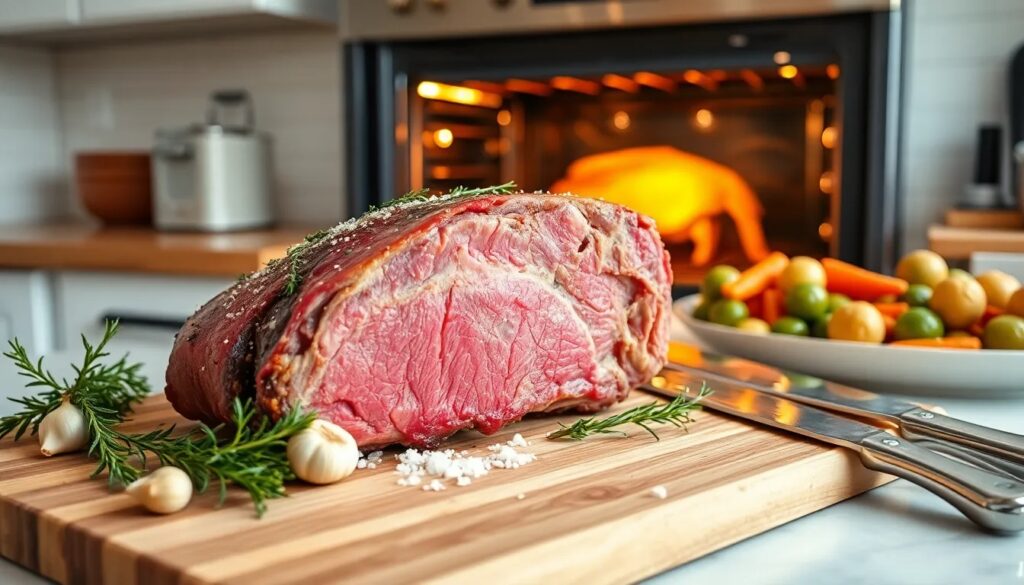
Prime rib is a classic dish that is perfect for special occasions or holiday feasts. Knowing how to prepare and cook a prime rib can truly elevate your culinary skills and impress your guests. With just a few simple steps, you can create a delicious and juicy prime rib roast that will be the centerpiece of your meal.
This guide will walk you through the essential steps, tips, and tricks to ensure your prime rib is cooked to perfection. From selecting the right cut of meat to serving it with the perfect sides, we’ve got you covered.
Table of Contents
- How to prepare and cook a prime rib roast in the oven
- How to cook a small prime rib roast?
- What is the best prime rib roast recipe ever?
- What is the cooking time for prime rib?
- How to cook prime rib steak?
- Bone-in or boneless prime rib: which is better?
- Tips for perfect prime rib preparation
- Related questions about preparing and cooking prime rib
How to prepare and cook a prime rib roast in the oven
Cooking a prime rib roast in the oven is a straightforward process that yields fantastic results. Start by selecting a high-quality cut, preferably with a good amount of marbling, which enhances flavor and tenderness.
Before cooking, it's important to bring the meat to room temperature. This ensures even cooking throughout the roast. Season generously with salt, pepper, and your choice of herbs, such as rosemary or thyme, and don’t forget to rub in some minced garlic for an added flavor boost.
- Preheat your oven to 500°F (260°C).
- Place the seasoned roast in a roasting pan with the fatty side up.
- Cook the prime rib for 15 minutes, then reduce the temperature to 325°F (163°C).
- Continue roasting until the desired doneness is reached, using a meat thermometer to check the internal temperature.
For perfect results, aim for 125°F (52°C) for medium-rare. Once done, allow the meat to rest for at least 20 minutes before carving. This resting period is crucial as it helps retain the juices, resulting in a more succulent roast.
How to cook a small prime rib roast?
Cooking a small prime rib roast follows the same principles as a larger roast, but the timing will differ. For a smaller cut, you can adjust the cooking time to prevent overcooking while still achieving a juicy prime rib recipe.
Use the same seasoning methods, ensuring to coat the roast evenly. The ideal cooking method is to start with a high temperature and then lower it to finish cooking. For a roast weighing around 3-4 pounds, start at 500°F (260°C) for 20 minutes and then lower to 325°F (163°C) until the desired internal temperature is reached.
Monitor the roast closely with a meat thermometer, removing it when it hits around 130°F (54°C) for medium-rare. Remember to let it rest, as this is key to achieving a tender and flavorful result.
What is the best prime rib roast recipe ever?
The best prime rib roast recipe often comes down to personal preference, but a classic method includes a combination of seasoning and cooking techniques. Start with a high-quality roast and focus on enhancing its natural flavors.
Here’s a simple yet delicious recipe:
- Season the roast with a mixture of salt, black pepper, garlic, and herbs.
- Preheat the oven and sear the roast at a high temperature.
- Lower the oven temperature to allow for slow roasting.
- Use a meat thermometer to check for doneness, aiming for 125°F (52°C) for medium-rare.
Pair your prime rib with classic sides like mashed potatoes, roasted vegetables, or a fresh salad to complete the meal. The combination of flavors will make for an unforgettable dining experience.
What is the cooking time for prime rib?
Cooking time for prime rib varies based on the size of the roast and the desired level of doneness. A general rule of thumb is to cook a prime rib for about 15-20 minutes per pound at an initial high temperature, followed by a lower temperature for even cooking.
For example:
- Rare: 120-125°F (49-52°C) - about 13-15 minutes per pound.
- Medium-rare: 130-135°F (54-57°C) - about 15-17 minutes per pound.
- Medium: 140-145°F (60-63°C) - about 17-19 minutes per pound.
Using a meat thermometer is essential for achieving the perfect doneness. Always allow for a resting period to ensure the juices redistribute throughout the meat.
How to cook prime rib steak?
Cooking prime rib steak is a delightful way to enjoy this tender cut without the need for a large roast. Start by selecting a thick steak cut from the prime rib section.
Season the steak generously with salt and pepper or your favorite seasoning. Heat a skillet or grill to high heat and sear the steak for about 3-4 minutes on each side for medium-rare.
Utilizing a meat thermometer is crucial here as well; aim for an internal temperature of 130°F (54°C) for medium-rare. Let it rest for a few minutes before slicing to enhance the flavor and juiciness.
Bone-in or boneless prime rib: which is better?
Choosing between bone-in and boneless prime rib often comes down to personal preference. Bone-in cuts tend to be more flavorful due to the marrow, and they often retain moisture better during cooking.
On the other hand, boneless prime rib roasts are easier to carve and serve, making them a popular choice for ease of preparation. Each option has its advantages:
- Bone-in: Richer flavor, better moisture retention.
- Boneless: Easier to carve, quicker cooking time.
Ultimately, either cut can yield a delicious result when prepared properly. Choose based on your cooking style and serving needs.
Tips for perfect prime rib preparation
To achieve the best prime rib, consider these essential tips:
- Choose quality meat: Look for well-marbled cuts from a reputable source.
- Season well: Generously season with salt, pepper, and herbs before cooking.
- Bring to room temperature: Let the meat sit outside of the refrigerator for about an hour before cooking.
- Use a meat thermometer: This is crucial for achieving your desired doneness.
- Rest the meat: Allow the roast to rest before slicing to keep the juices intact.
These tips will help ensure your prime rib is not only delicious but also visually appealing when it’s served.
How to prep a prime rib before cooking?
Preparing a prime rib involves several key steps. First, ensure the meat is at room temperature before cooking to promote even cooking. Next, season it well with salt, pepper, and garlic or herbs of your choice. It's also beneficial to trim any excess fat, but leave enough to maintain flavor and moisture during cooking.
Using a meat thermometer during cooking is vital to achieving the desired doneness. Finally, make sure to rest the prime rib after cooking to allow the juices to redistribute, resulting in a more flavorful and juicy roast.
What is the secret to a good prime rib?
The secret to a good prime rib lies in the quality of the meat and the cooking technique. Select a prime cut with good marbling for maximum flavor. Season liberally to enhance its natural taste, and use a high-temperature sear followed by slow roasting to develop a crust while keeping the inside tender.
Additionally, using a meat thermometer to monitor internal temperatures will help you avoid overcooking, ensuring a perfect medium-rare finish. Resting the meat before carving is just as important as the cooking process itself, allowing for a juicy and delicious outcome.
What's the best way to cook a whole prime rib?
The best way to cook a whole prime rib is to start with a high oven temperature to create a crust and then reduce the temperature for even cooking. Preheat your oven to 500°F (260°C), roast the meat for 15-20 minutes, then lower the temperature to 325°F (163°C) until it reaches the desired doneness.
Using a meat thermometer is crucial in this process. Aim for 125°F (52°C) for medium-rare and always allow the roast to rest before slicing. This technique will yield a beautifully cooked prime rib with a flavorful outer crust and a tender, juicy center.
Should you trim prime rib before cooking?
Trimming prime rib is a matter of preference. While some chefs prefer to trim excess fat, leaving a good layer of fat can help keep the meat moist and flavorful during cooking. It's generally recommended to remove any silverskin or hard fat, but leave enough to ensure rich flavor.
Ultimately, the decision to trim should be based on the specific cut of prime rib you are working with and your personal taste preferences. A well-prepared prime rib can be both mouthwatering and visually appealing!
If you want to know other articles similar to How to prepare and cook a prime rib you can visit the category Meat Recipes.


More embers