

Wireless thermometer cooking: the ultimate guide
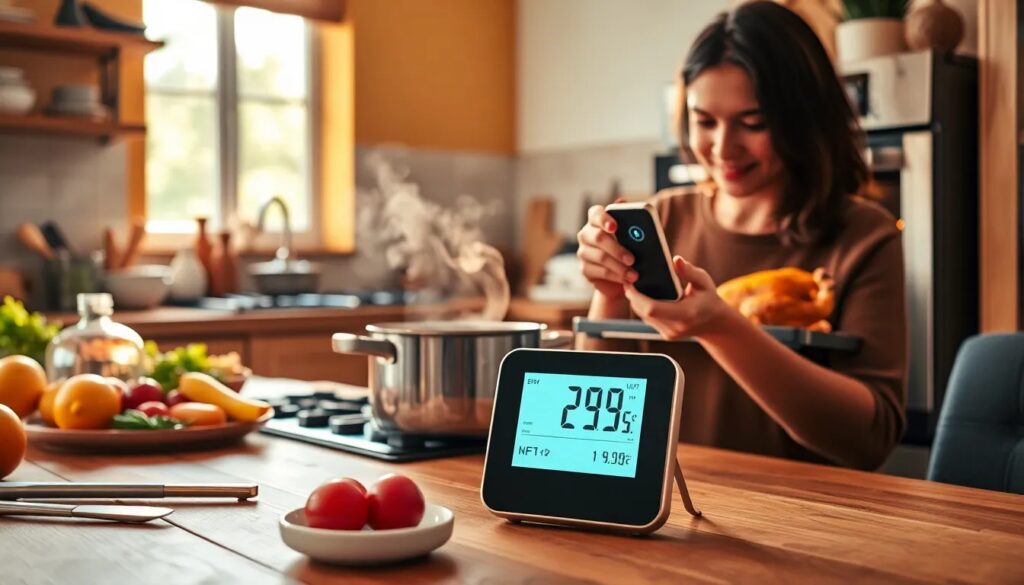
Wireless meat thermometers have revolutionized the way we cook, providing chefs and home cooks alike with precision and ease. With features like remote monitoring and real-time temperature alerts, these devices take the guesswork out of cooking meat to perfection. In this guide, we will explore the best options available and how to make the most of them.
Table of Contents
- How do wireless thermometers work?
- What are the benefits of using a wireless thermometer?
- Which are the best wireless meat thermometers?
- How to choose the right wireless meat thermometer?
- What are the key features to look for in a wireless thermometer?
- How to properly use a wireless meat thermometer?
- What are the common mistakes when using wireless thermometers?
- Frequently asked questions about wireless thermometers
- Questions related to wireless thermometer cooking
How do wireless thermometers work?
Wireless thermometers operate using a simple yet effective mechanism that enhances your cooking experience. They typically consist of a probe that you insert into the meat and a receiver connected to your smartphone or a dedicated display unit.
When you turn on the thermometer, it sends temperature data wirelessly, often via Bluetooth or Wi-Fi, allowing you to monitor the cooking process from a distance. This means you can enjoy socializing or tending to other tasks without worrying about overcooking your meal.
Most models also come with preset cooking temperatures for various types of meat, which simplify achieving the desired doneness. With a wireless thermometer cooking, you can achieve flawless results every time.
What are the benefits of using a wireless thermometer?
Using a wireless thermometer offers numerous advantages that traditional thermometers cannot match. Here are some key benefits:
- Convenience: With remote monitoring, you can check temperatures from your smartphone without being glued to the grill or oven.
- Precision: Wireless thermometers provide accurate readings, ensuring your meat is cooked to the perfect temperature.
- Alerts: Many models send alerts when the desired temperature is reached, allowing you to multitask effortlessly.
- Versatility: Suitable for various cooking methods, from grilling to baking, enhancing your culinary toolkit.
The enhanced cooking experience that a wireless thermometer cooking facilitates is particularly beneficial for outdoor cooking enthusiasts and professionals alike.
Which are the best wireless meat thermometers?
When it comes to selecting the best wireless meat thermometers for your cooking needs, several models stand out in 2025:
- ThermoWorks BlueDOT: Renowned for its accuracy and user-friendly experience, this model is a top choice for both amateurs and experts.
- Meater Block: Offers an all-in-one solution with multiple probes, ideal for multitasking while cooking.
- ThermoPro TP20: An affordable yet reliable option, perfect for beginners wanting to experiment with wireless cooking.
- Fireboard: Known for its cloud connectivity, this thermometer is ideal for data-driven cooking enthusiasts.
Choosing a reliable model is essential for a successful cooking experience. The wireless thermometer cooking options mentioned cater to various skill levels and preferences, making it easier to select the right one.
How to choose the right wireless meat thermometer?
Selecting the right wireless meat thermometer can be overwhelming given the abundance of options. Here are some tips to simplify your decision-making process:
- Consider your cooking style: If you often grill outdoors, look for models with longer range capabilities.
- Check battery life: Choose thermometers with rechargeable batteries or long-lasting ones to avoid interruptions during cooking.
- Look for app compatibility: Many wireless thermometers offer smartphone apps that enhance usability and features.
- Read reviews and ratings: User experiences can provide valuable insights into performance and reliability.
By keeping these aspects in mind, you can ensure you invest in a wireless thermometer that meets your culinary needs.
What are the key features to look for in a wireless thermometer?
When evaluating wireless thermometers, several features can significantly enhance your cooking experience. Pay attention to the following key aspects:
- Temperature range: A wider range allows you to monitor different types of meat effectively.
- Number of probes: More probes can help you monitor multiple meats or zones at once.
- Smart features: Look for models that integrate with your smartphone for real-time updates and alerts.
- Durability: A robust design ensures your thermometer can withstand outdoor conditions and frequent use.
Choosing a model that encompasses these features will facilitate a more enjoyable and efficient wireless thermometer cooking experience.
How to properly use a wireless meat thermometer?
Using a wireless meat thermometer correctly can make a significant difference in your cooking outcomes. Here are some steps to follow:
1. Insert the probe correctly: Ensure the probe is inserted into the thickest part of the meat, avoiding bones and fat for accurate readings.
2. Set your target temperature: Use the thermometer’s app or built-in functions to set the desired cooking temperature.
3. Monitor regularly: While the thermometer provides remote monitoring, occasionally check the app to ensure everything is cooking correctly.
4. Let it rest: Once the meat reaches the desired temperature, let it rest before slicing. This allows for juices to redistribute, enhancing flavor.
Following these steps will lead to consistent and enjoyable results with your wireless thermometer.
What are the common mistakes when using wireless thermometers?
Even experienced cooks can make mistakes when using wireless thermometers. Here are some common pitfalls to avoid:
- Not calibrating the thermometer: Always calibrate your thermometer before use to ensure accurate readings.
- Improper probe insertion: Inserting the probe incorrectly can lead to misleading temperature readings.
- Ignoring temperature carryover: Remember that meat continues to cook after being removed from heat, so factor this into your timing.
- Failing to clean the probe: Bacteria can transfer between meats if the probe isn’t cleaned between uses.
By being aware of these mistakes, you can maximize the effectiveness of your wireless thermometer cooking experience.
Frequently asked questions about wireless thermometers
How do I choose a wireless meat thermometer?
Choosing a wireless meat thermometer should involve a thorough assessment of your cooking habits and preferences. Look for thermometers that offer ease of use, such as those with intuitive smartphone apps. Additionally, consider your budget; options range from affordable models for beginners to advanced ones for seasoned chefs.
Also, pay attention to the probe length and temperature range, as they can significantly impact the usability depending on the types of dishes you intend to prepare. Thermometers that can handle both high heats for grilling and lower temperatures for baking are essential for versatility.
What features should a good wireless thermometer have?
A quality wireless thermometer should feature several important elements. First, look for accurate temperature readings with minimal delay. A durable design and a long-range connection will enhance your cooking experience, allowing for flexibility while cooking.
Moreover, smart functions that facilitate easy monitoring from your smartphone are invaluable. Some models also offer preset temperatures for different meats, making the cooking process easier and more intuitive.
Are Bluetooth meat thermometers worth it?
Bluetooth meat thermometers are indeed worth the investment for many cooks. They provide the freedom to monitor cooking temperatures remotely, which is especially beneficial during long cooking sessions.
With the ability to receive alerts and track temperature changes via your smartphone, you can avoid undercooking or overcooking your meat. This convenience often results in a more enjoyable cooking experience and better end results.
What is the best wireless thermometer for grilling?
The best wireless thermometer for grilling often depends on personal preference and specific needs. However, the ThermoWorks Smoke is frequently recommended due to its dual-probe system, which allows for monitoring both the meat and the grill temperature simultaneously.
Another excellent option is the Meater Plus, known for its excellent range and easy app integration. Both models provide accurate readings and are well-suited for outdoor grilling enthusiasts.
Can I use a wireless thermometer for baking?
Yes, you can use a wireless thermometer for baking, and it can be a game-changer in achieving perfect results. Many wireless thermometers offer features suitable for baking, such as monitoring the internal temperature of cakes, bread, and casseroles to ensure optimal doneness.
Look for models that can operate at lower temperatures and provide alerts when your baked goods reach the desired temperature.
If you want to know other articles similar to Wireless thermometer cooking: the ultimate guide you can visit the category Cooking Equipment for Meat.


More embers