

Meat Thermometers: The Essential Guide to Perfect Cooking
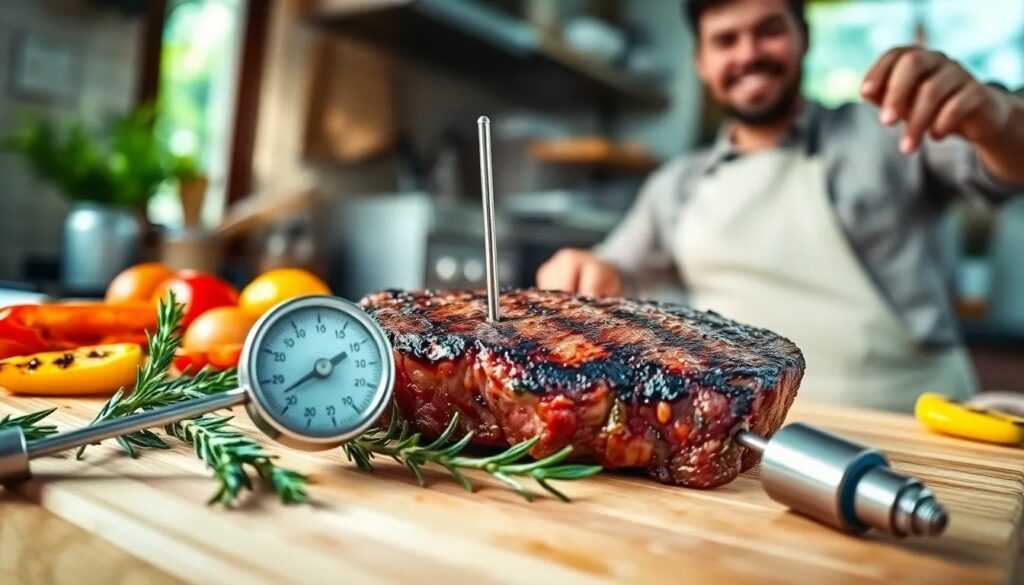
In the world of cooking, achieving the perfect doneness for your meat can be challenging. Using a termometros para carne ensures that your meals are cooked safely and to your preferred level of doneness. This article delves into the importance of meat thermometers and how they can elevate your cooking experience.
Whether you're a novice cook or a seasoned chef, understanding how to use a meat thermometer can significantly enhance your culinary precision. Let's explore the fascinating aspects of these essential kitchen tools.
Table of Contents
- What is a meat thermometer and how does it work?
- Why is it important to use a meat thermometer?
- What are the safe cooking temperatures for different meats?
- How can a meat thermometer help prevent foodborne illnesses?
- What are the different types of meat thermometers available?
- How do you use a meat thermometer correctly?
- Related questions about meat thermometers
What is a meat thermometer and how does it work?
A meat thermometer is a device designed to measure the internal temperature of meat. By inserting the thermometer into the thickest part of the meat, you can determine if it has reached a safe cooking temperature. There are two primary types of meat thermometers: digital and analog. Digital thermometers provide quick readings, while analog thermometers typically take a bit longer to stabilize.
The key to using a meat thermometer effectively lies in understanding its components. Most models feature a metal probe that measures temperature through a sensor, providing a reading that reflects the internal temperature of the meat.
It's crucial to place the thermometer correctly. Inserting it into the thickest part of the meat, avoiding any bone or fat, ensures an accurate reading. This helps prevent overcooking or undercooking your meat, leading to safer and more flavorful meals.
Why is it important to use a meat thermometer?
Using a meat thermometer is vital for several reasons. Firstly, it helps ensure that meat is cooked to a safe internal temperature, reducing the risk of foodborne illnesses. Undercooked meat can harbor harmful bacteria such as Salmonella or E. coli, which can lead to serious health issues.
Secondly, a meat thermometer helps achieve the desired level of doneness. Without it, cooks may rely on visual cues, which can be misleading. For example, ground beef must reach at least 160°F for safe consumption, while poultry needs to reach 165°F. By using a thermometer, you can ensure your meat is cooked to perfection every time.
Lastly, using a meat thermometer can enhance the overall flavor of your dishes. Proper cooking prevents moisture loss, resulting in juicier and more succulent meat.
What are the safe cooking temperatures for different meats?
Understanding safe cooking temperatures is essential in any kitchen. Here are the general guidelines for various types of meat:
- Beef, pork, lamb: 145°F (63°C) with a three-minute rest time
- Ground meats: 160°F (71°C)
- Poultry: 165°F (74°C)
- Fish: 145°F (63°C)
These temperatures are crucial for ensuring that your meat is safe to eat while retaining its flavor and moisture. Resting time is also essential, as it allows juices to redistribute throughout the meat, enhancing its taste and tenderness.
By adhering to these safe cooking temperatures, you not only protect your health but also improve your culinary outcomes.
How can a meat thermometer help prevent foodborne illnesses?
Foodborne illnesses are often caused by improper cooking and handling of meat. A meat thermometer acts as a reliable safeguard against these risks. By accurately measuring the internal temperature of meat, you can eliminate the guesswork involved in cooking.
For instance, a thermometer can instantly inform you whether your chicken has reached the critical 165°F, ensuring it is safe for consumption. This precise measurement significantly reduces the likelihood of foodborne pathogens surviving the cooking process.
Additionally, using a meat thermometer can help establish best practices for food safety in the kitchen. By routinely checking temperatures, you cultivate a habit of caution and diligence, making you a more conscientious cook.
What are the different types of meat thermometers available?
There are various types of meat thermometers on the market, each with its unique features and advantages:
- Digital thermometers: These provide quick and accurate readings, often within seconds. Ideal for busy cooks.
- Analog thermometers: These are typically less expensive and require no batteries. They take longer to register temperature but can be effective for home cooks.
- Instant-read thermometers: Designed for quick checks, these thermometers are great for grilling or roasting.
- Probe thermometers: These can be left in the meat while it cooks, allowing you to monitor the temperature without opening the oven or grill.
When choosing a thermometer, consider your cooking habits and preferences. Each type offers distinct benefits that cater to different cooking styles.
How do you use a meat thermometer correctly?
Using a meat thermometer correctly is key to achieving accurate results. Start by inserting the probe into the thickest part of the meat, ensuring that it does not touch bone or fat.
It's also advisable to insert the thermometer at least halfway into the meat to get an accurate reading of the internal temperature. For larger cuts, such as roasts, check the temperature in multiple spots to ensure even cooking.
Once your thermometer indicates that the meat has reached the appropriate temperature, allow it to rest for a few minutes before slicing. This resting period lets the juices redistribute, enhancing flavor and tenderness.
By following these tips, you can maximize the effectiveness of your termometros para carne, ensuring delicious results every time.
What is the name of the thermometer used to measure meat temperature?
The thermometer used to measure meat temperature is commonly referred to as a meat thermometer. It is specifically designed to assess the internal temperature of different meats, ensuring they are cooked safely and to the desired doneness.
What are the three types of thermometers?
The three main types of thermometers include analog thermometers, digital thermometers, and infrared thermometers. Each type has its unique features, making them suitable for various cooking needs.
How can I know the doneness of meat using a thermometer?
You can determine the doneness of meat by checking its internal temperature with a thermometer. Each level of doneness corresponds to a specific temperature, such as:
- Rare: 125°F (52°C)
- Medium rare: 135°F (57°C)
- Medium: 145°F (63°C)
- Medium well: 150°F (66°C)
- Well done: 160°F (71°C)
By knowing these temperatures, you can achieve your preferred level of doneness every time.
What kind of thermometers are used in restaurants?
Restaurants typically use high-quality digital thermometers or probe thermometers. These thermometers provide quick readings and can often be left in the meat during cooking, allowing chefs to monitor temperatures without interrupting the cooking process.
Additionally, many restaurants adhere to strict food safety protocols, making the use of reliable thermometers essential in maintaining safe cooking practices.
Overall, these tools are crucial in ensuring that meat is cooked to perfection, enhancing the dining experience for customers.
If you want to know other articles similar to Meat Thermometers: The Essential Guide to Perfect Cooking you can visit the category Cooking Equipment for Meat.

More embers