

Smoke point of oils explained
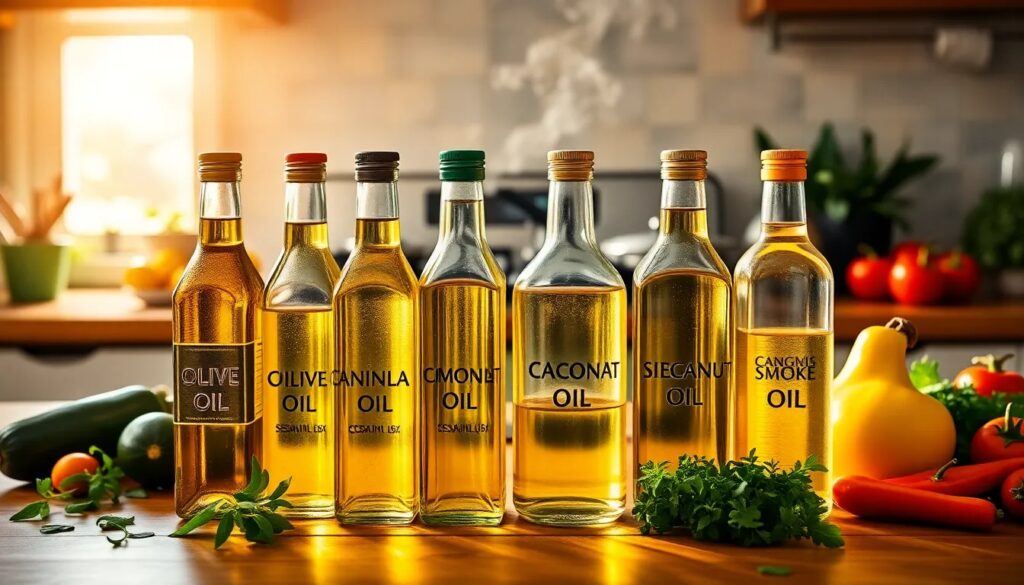
The smoke point of oils is an essential concept in culinary practices that every home cook should understand. It refers to the temperature at which an oil begins to smoke and break down, leading to the production of harmful compounds and off-flavors. Knowing the smoke point helps in choosing the right oil for various cooking methods.
In this article, we will explore the significance of smoke points, how they are influenced by processing methods, and provide a comprehensive overview of common cooking oils and their respective smoke points.
Table of Contents
- How to choose the right cooking oil based on smoke points?
- What is the smoke point and why is it crucial for cooking?
- How do processing methods affect the smoke point of oils?
- What are the smoke points of common cooking oils?
- How to ensure your oil remains safe for cooking at high temperatures?
- What are the implications of using oils with low smoke points?
- Related questions about oil smoke points
How to choose the right cooking oil based on smoke points?
Selecting the appropriate cooking oil is crucial for achieving the desired flavor and ensuring food safety. To choose wisely, consider the following factors:
- Cooking method: High-heat methods like frying require oils with high smoke points.
- Nutritional value: Unrefined oils retain more nutrients but have lower smoke points.
- Flavor profile: Some oils impart distinct flavors that can enhance or overpower a dish.
When selecting an oil, it's essential to align its smoke point with your cooking technique. For instance, olive oil is suitable for sautéing, while avocado oil works well for grilling or frying due to its higher smoke point.
What is the smoke point and why is it crucial for cooking?
The smoke point is the temperature at which an oil begins to deteriorate, releasing smoke and potentially harmful compounds. This stage signals that the oil has reached its maximum usable temperature.
Understanding the smoke point of oils is vital for several reasons:
- It helps prevent the creation of harmful free radicals that can occur when oils are overheated.
- Using oils past their smoke point can lead to unpleasant flavors and aromas.
- Keeps the nutritional integrity of the oil intact, ensuring health benefits are maintained.
Cooking at temperatures above the smoke point can not only compromise the dish's flavor but also pose health risks. Therefore, knowing the smoke point is essential to maintain both flavor and safety in your cooking.
How do processing methods affect the smoke point of oils?
Processing methods play a significant role in determining the smoke point of oils. Generally, refined oils have higher smoke points compared to unrefined oils.
Refining involves several processes, such as:
- Bleaching: Removes color and impurities.
- Deodorizing: Eliminates strong odors.
- Hydrogenation: Increases stability and shelf life.
These processes strip oils of some nutrients but improve their stability at high temperatures. Unrefined oils, while richer in flavor and nutrients, may have lower smoke points due to their higher levels of free fatty acids.
It's crucial to choose the right processing method based on the type of cooking you plan to do. For instance, if you're frying at high temperatures, a refined oil might be the better choice.
What are the smoke points of common cooking oils?
Understanding the smoke points of various oils can guide you in selecting the right one for your cooking needs. Here’s a quick reference table of smoke points for common cooking oils:
| Oil Type | Smoke Point (°F) |
|---|---|
| Avocado Oil | 520°F |
| Refined Olive Oil | 465°F |
| Canola Oil | 400°F |
| Unrefined Olive Oil | 375°F |
| Coconut Oil | 350°F |
Each oil has its unique characteristics and applications. For example, avocado oil is ideal for high-heat cooking, while unrefined olive oil is perfect for dressings and lower temperature sautéing.
How to ensure your oil remains safe for cooking at high temperatures?
To keep your oil safe for cooking, follow these recommendations:
- Monitor temperature: Use a thermometer to keep track of the oil's temperature.
- Avoid overusing oil: Repeated heating can lower the smoke point and degrade the oil.
- Store properly: Keep oils in a cool, dark place to prevent rancidity.
By paying attention to these factors, you can maintain the oil’s stability and flavor during cooking. Additionally, regularly check for any off odors or flavors, as this may indicate the oil has gone bad.
What are the implications of using oils with low smoke points?
Using oils with low smoke points can lead to several issues in cooking:
1. Flavor degradation: Oils that smoke produce bitter flavors that can negatively impact your dish.
2. Health risks: Overheating oils can create harmful compounds, including free radicals that can affect health.
3. Nutritional loss: High temperatures can destroy the beneficial nutrients in the oil.
It's crucial to select oils appropriately based on their smoke points and the cooking methods you'll be using. For instance, using butter or unrefined oils for frying is not advisable due to their lower smoke points. Instead, consider oils specifically designed for high-heat cooking.
What oil has the highest smoke point?
Among commonly used cooking oils, avocado oil has one of the highest smoke points, reaching up to 520°F. This makes it an excellent choice for frying and grilling, allowing for optimal flavor without the risk of burning.
What is a good smoke point for oil?
A good smoke point for oil generally falls above 400°F for methods like frying and sautéing. Oils with smoke points in this range include canola oil and refined olive oil, making them suitable for high-heat cooking.
What are the best oils for high heat cooking?
The best oils for high heat cooking include:
- Avocado Oil
- Refined Peanut Oil
- Refined Coconut Oil
- Light Olive Oil
These oils can withstand high temperatures without breaking down, ensuring a safe cooking environment.
Can you use canola oil at 450 degrees?
Yes, canola oil can be used at temperatures up to 450°F, making it suitable for frying and baking. Its relatively high smoke point and neutral flavor make it a popular choice among cooks for various applications.
Understanding the smoke point of oils and its implications in cooking is essential for enhancing flavor, maintaining nutritional quality, and ensuring safety in your culinary adventures. Make informed decisions based on this knowledge for successful cooking outcomes.
If you want to know other articles similar to Smoke point of oils explained you can visit the category Cooking Equipment for Meat.

More embers