

Digital meat thermometer reviews and recommendations
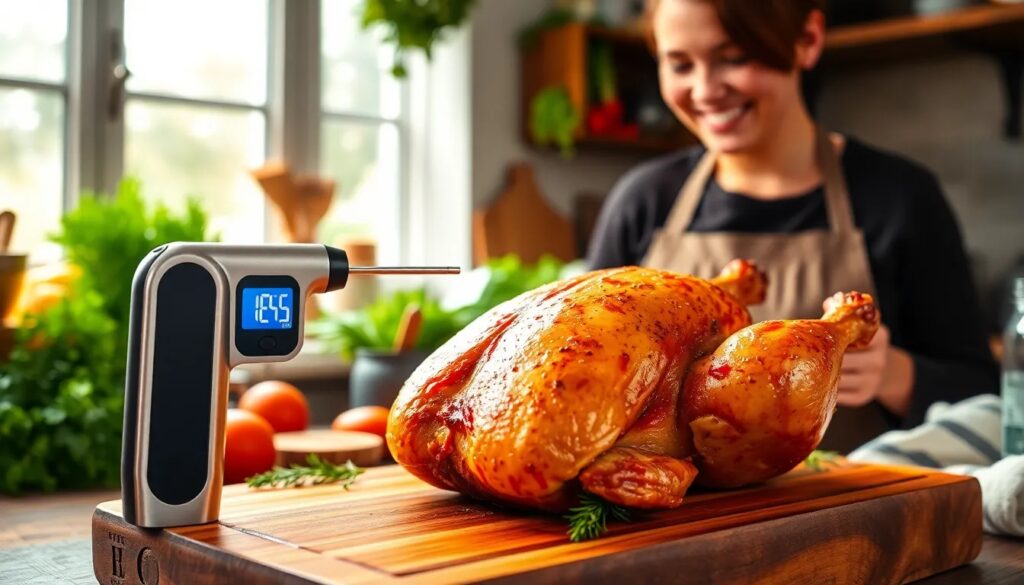
Table of Contents
- Shop premium meat thermometers | Accurate & fast probes by ThermoWorks
- Our top picks
- What is the best digital meat thermometer?
- How to pick the right meat thermometer?
- What are the benefits of using a digital meat thermometer?
- How do different meat thermometers compare?
- What features to look for in a digital meat thermometer?
- Common questions about digital meat thermometers
- Frequently asked questions about digital meat thermometers
Cooking meat to perfection requires precision, and a digital meat thermometer is an essential tool for achieving that goal. These devices ensure that your meats are cooked safely and to your desired level of doneness. This article explores various options, features, and benefits of using a digital meat thermometer.
Choosing the right thermometer can significantly improve your cooking experience. By understanding the different types and their specific applications, you can confidently prepare meals that impress your guests and ensure food safety.
Our top picks
When it comes to selecting a digital meat thermometer, consider models that are known for their accuracy and user-friendliness. Here are some top contenders:
- OXO Good Grips Chef’s Precision Digital Thermometer - Known for its large display and pivoting head.
- Rubbermaid Pocket Thermometer - Compact and budget-friendly option.
- Meater Plus - Wireless connectivity for hands-free monitoring.
- ThermoPro TempSpike Plus - Offers dual probes for simultaneous cooking monitoring.
- Chefstemp FinalTouch X10 - Features quick read times and durability.
These thermometers provide reliable temperature readings, ensuring that meats are cooked perfectly every time.
What is the best digital meat thermometer?
Determining the best digital meat thermometer depends on your specific needs. Features such as accuracy, ease of use, and additional functionalities can influence your choice. For instance, the OXO Good Grips model is favored for its intuitive design and quick readings.
For those on a budget, the Rubbermaid Pocket Thermometer is an excellent choice, providing decent performance without breaking the bank. However, for serious cooks, advanced options like the Meater Plus, with its wireless capabilities, might be worth the investment.
How to pick the right meat thermometer?
Choosing the right meat thermometer involves assessing several factors. First, consider the type of cooking you do most often. If you frequently grill or roast, a digital meat thermometer for grilling and roasting might be ideal.
Next, evaluate your budget. There are many affordable meat thermometer options that don’t compromise on quality. Pay attention to features like battery life and temperature range, as these can affect your cooking experience.
- Identify your cooking style: grilling, roasting, or baking.
- Research models that fit your price range.
- Look for additional features: instant-read capabilities and wireless connectivity.
What are the benefits of using a digital meat thermometer?
Using a digital meat thermometer offers several advantages that enhance cooking quality and safety. Firstly, they provide quick and accurate readings, which help prevent the uncertainty of cooking meats.
Moreover, these devices can improve food safety by ensuring that meats reach safe internal temperatures, reducing the risk of foodborne illnesses. For example, poultry should reach at least 165°F to be considered safe for consumption.
Additionally, many models come with features such as programmable alerts, which notify you when your meat has reached the desired temperature, allowing you to multitask without worry.
How do different meat thermometers compare?
When comparing various digital meat thermometers, it’s essential to look at their features and performance. Instant-read thermometers, for example, provide quick results but may require you to make multiple checks during cooking.
On the other hand, leave-in thermometers allow you to monitor the temperature continuously, offering peace of mind while you focus on other tasks. Wireless thermometers, like the Meater Plus, connect to your smartphone, providing alerts and readings from afar.
- Instant-read thermometers: Quick, but need multiple checks.
- Leave-in thermometers: Continuous monitoring for convenience.
- Wireless thermometers: Remote tracking and alerts via smartphone.
What features to look for in a digital meat thermometer?
Several key features can enhance the functionality of a digital meat thermometer. A large, easy-to-read display is crucial for quick assessments, especially in low-light conditions.
Another important feature is the thermometer's range and response time, as faster readings can significantly improve cooking efficiency. Additionally, look for durability and temperature accuracy, which are vital for consistent results.
Some thermometers also offer advanced features like Bluetooth connectivity or app integration, allowing for smart cooking experiences. These added functionalities can enhance usability and make cooking more enjoyable.
Common questions about digital meat thermometers
Frequently asked questions about digital meat thermometers
What is the best digital meat thermometer?
The best digital meat thermometer varies based on personal preferences and cooking habits. Generally, models like the OXO Good Grips and Meater Plus are highly rated due to their accuracy and features. For those who prioritize affordability, options like the Rubbermaid Pocket Thermometer offer great value without compromising on essential functions.
What is the difference between a meat thermometer and a digital thermometer?
A meat thermometer is specifically designed for measuring the internal temperature of meats, while a digital thermometer can encompass a broader range of cooking applications. Digital thermometers often provide faster readings and may include features such as programmable alerts and connectivity options.
Do you leave the digital thermometer in meat while cooking?
It depends on the type of thermometer. Leave-in thermometers are designed to remain in the meat during cooking, allowing for continuous monitoring. However, instant-read thermometers should not be left in the meat, as they are meant for quick temperature checks during the cooking process.
How do I calibrate my digital meat thermometer?
Calibration is essential for accurate readings. To calibrate, fill a glass with ice and water, then insert the thermometer. It should read 32°F (0°C). If it does not, adjust according to the manufacturer's instructions. Regular calibration helps ensure that your thermometer maintains accuracy, which is crucial in cooking.
In conclusion, investing in a quality digital meat thermometer can significantly enhance your cooking outcomes. By understanding the features and benefits, you can select the right thermometer for your culinary needs and enjoy perfectly cooked meats every time.
If you want to know other articles similar to Digital meat thermometer reviews and recommendations you can visit the category Cooking Equipment for Meat.


More embers