
Sushi rice seasoning guide
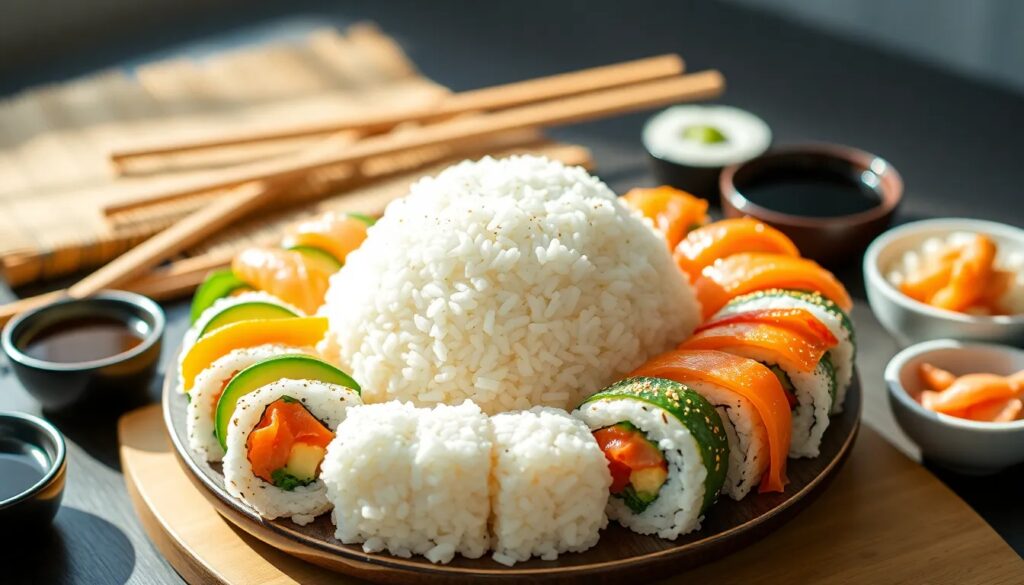
Making the perfect sushi rice at home is a delightful experience that can elevate your sushi dishes. With the right sushi rice seasoning, you can achieve that authentic taste that will impress your family and friends. This article will explore various aspects of sushi rice, including its preparation, seasoning, Cooking methods, and storage tips.
Index
- Perfect sushi rice
- How to make perfect sushi rice at home
- What is sushi rice?
- How to season sushi rice for maximum flavor?
- What ingredients are needed for sushi rice?
- What are the best cooking methods for sushi rice?
- How to store and reheat sushi rice properly?
- What variations can be made with sushi rice?
- Related questions about sushi rice seasoning
Perfect sushi rice
Achieving perfect sushi rice involves more than just cooking rice; it's about selecting the right type and seasoning it properly. The ideal choice is short-grain white rice, which has a higher starch content, making it sticky and perfect for sushi.
To prepare sushi rice, start by rinsing the rice thoroughly to remove excess starch. This step is crucial as it prevents the rice from becoming too gummy. After rinsing, soak the rice for about 30 minutes to ensure even cooking. The right cooking method will also impact the final texture. You can use a rice cooker, stovetop, or even an Instant Pot to achieve perfect results.
It's essential to season the rice after cooking. This is where the sushi rice seasoning comes into play; a blend of rice vinegar, sugar, and salt is traditionally used to give sushi rice its distinctive flavor. The key is to mix in the seasoning gently to avoid breaking the rice grains.
 Cavender's seasoning: all purpose flavor enhancer
How to make perfect sushi rice at home
Making perfect sushi rice at home requires attention to detail and a few simple steps. First, gather your ingredients: short-grain rice, water, rice vinegar, sugar, and salt.
Begin by rinsing the rice under cold water until the water runs clear. This process removes the excess starch and helps achieve a fluffy texture. After rinsing, soak the rice for about 30 minutes, allowing it to absorb water.
Next, cook the rice using your preferred method. If using a rice cooker, follow the manufacturer's instructions, while on the stovetop, bring the rice and water to a boil, then reduce the heat and let it simmer. Once cooked, let the rice sit covered for about 10 minutes to finish steaming.
In a separate bowl, mix rice vinegar, sugar, and salt until dissolved. Gently fold this mixture into the warm rice to achieve the perfect seasoning. This step is crucial for enhancing the flavor and ensuring a shiny appearance.
Cavender's seasoning: all purpose flavor enhancer Taco seasoning Aldi: lo que necesitas saber
What is sushi rice?
Sushi rice is a specific type of short-grain rice that is used primarily in sushi preparation. Its unique characteristics make it ideal for holding together and providing a chewy texture.
The starch content in sushi rice is higher than in long-grain varieties, giving it the sticky quality necessary for sushi rolls and nigiri. The rice is typically seasoned after cooking with a mixture of rice vinegar, sugar, and salt, which contributes to its distinct flavor profile.
Sushi rice is not only used in traditional sushi dishes but also in various Japanese cuisines, such as poke bowls and onigiri. Understanding the nuances of sushi rice is essential for anyone looking to explore Japanese cooking or make homemade sushi.
How to season sushi rice for maximum flavor?
Seasoning sushi rice properly is vital for enhancing its flavor. The traditional sushi rice seasoning consists of rice vinegar, sugar, and salt. The proportions can vary, but a common ratio is:
Cavender's seasoning: all purpose flavor enhancerTaco seasoning Aldi: lo que necesitas saber Seasoning a rib roast: the ultimate guide
- 1 cup rice vinegar
- 1/2 cup sugar
- 1/4 cup salt
To prepare the seasoning, combine these ingredients in a small saucepan and heat gently, stirring until the sugar and salt dissolve.
Once your rice is cooked, transfer it to a wooden or non-metallic bowl. Pour the seasoned vinegar mixture over the rice and gently fold it in using a spatula. This process helps to avoid breaking the grains while incorporating the seasoning evenly.
Another excellent tip is to fan the rice while mixing in the seasoning. This technique cools the rice quickly and gives it a nice shine, which is a hallmark of well-made sushi rice.
What ingredients are needed for sushi rice?
To make sushi rice, you'll need a few essential ingredients that contribute to its flavor and texture:
Cavender's seasoning: all purpose flavor enhancerTaco seasoning Aldi: lo que necesitas saberSeasoning a rib roast: the ultimate guide Mexican taco meat seasoning
- Short-grain rice: This is the foundation of your sushi rice; it provides the ideal stickiness.
- Water: Needed for cooking the rice; the water to rice ratio is crucial for achieving the right texture.
- Rice vinegar: A key ingredient in sushi rice seasoning that imparts a tangy flavor.
- Sugar: Balances the acidity of the vinegar and adds a hint of sweetness.
- Salt: Enhances the overall flavor of the seasoned rice.
These ingredients are essential not only for the sushi rice itself but also for creating that authentic taste that is synonymous with Japanese cuisine.
What are the best cooking methods for sushi rice?
There are several effective methods for cooking sushi rice, each yielding delicious results. The choice often depends on the equipment you have and your personal preferences:
1. Rice Cooker: This is one of the easiest and most reliable methods. Simply add rinsed rice and water, then let the cooker do its job. Many rice cookers even have a setting specifically for sushi rice.
2. Stovetop: This traditional method involves bringing water to a boil, then reducing the heat and simmering. It requires a bit more attention, but it's very effective.
Cavender's seasoning: all purpose flavor enhancerTaco seasoning Aldi: lo que necesitas saberSeasoning a rib roast: the ultimate guideMexican taco meat seasoning Good turkey seasoning for a delicious meal
3. Instant Pot: For those who want quick results, an Instant Pot can produce perfectly cooked sushi rice in a fraction of the time. Just remember to adjust the water ratio accordingly.
Whichever method you choose, allow the rice to sit covered for a few minutes after cooking. This step ensures that the rice finishes steaming and reaches the perfect texture.
How to store and reheat sushi rice properly?
Storing and reheating sushi rice correctly can help maintain its texture and flavor. Here are some tips to consider:
- Cooling: After cooking, allow the rice to cool to room temperature before storing it. This prevents condensation and keeps the rice from becoming soggy.
Cavender's seasoning: all purpose flavor enhancerTaco seasoning Aldi: lo que necesitas saberSeasoning a rib roast: the ultimate guideMexican taco meat seasoningGood turkey seasoning for a delicious meal Dry rub seasoning for chicken: the ultimate guide
- Refrigeration: Store leftover sushi rice in an airtight container in the refrigerator. It can typically be kept for up to three days.
- Reheating: When reheating, sprinkle a bit of water over the rice and cover it with a damp cloth or paper towel. Microwave in short intervals, stirring occasionally, until heated through. This method helps to restore moisture.
Using these storage tips can extend the life of your sushi rice while preserving its essential characteristics.
What variations can be made with sushi rice?
Sushi rice is versatile and can be adapted to suit various tastes and dishes. Here are some popular variations:
Cavender's seasoning: all purpose flavor enhancerTaco seasoning Aldi: lo que necesitas saberSeasoning a rib roast: the ultimate guideMexican taco meat seasoningGood turkey seasoning for a delicious mealDry rub seasoning for chicken: the ultimate guide Best pork chop seasoning for delicious flavors
- Toasted sesame oil: Drizzling a little toasted sesame oil over your sushi rice can add a nutty flavor, enhancing the overall dish.
- Kelp (kombu): Adding a piece of dried kelp while cooking the rice provides an umami flavor and is a traditional Japanese practice.
- Vegan options: For those looking to make sushi rice vegan, simply replace sugar with maple syrup or another sweetener.
- Additional seasoning: Experimenting with different seasonings, such as mirin or even citrus zest, can create unique flavors that elevate your sushi experience.
Cavender's seasoning: all purpose flavor enhancerTaco seasoning Aldi: lo que necesitas saberSeasoning a rib roast: the ultimate guideMexican taco meat seasoningGood turkey seasoning for a delicious mealDry rub seasoning for chicken: the ultimate guideBest pork chop seasoning for delicious flavors Best meat loaf seasoning ideas
These variations allow you to customize your sushi rice and explore different culinary delights.
What should I season sushi rice with?
To season sushi rice, you'll primarily need rice vinegar, sugar, and salt. The combination of these ingredients creates the signature flavor of sushi rice. The exact measurements can vary, but a common ratio includes 1 cup of rice vinegar, 1/2 cup of sugar, and 1/4 cup of salt. Mixing these ingredients until dissolved and folding them into warm rice helps achieve that perfect seasoning.
What do sushi chefs add to rice?
Sushi chefs typically add a mixture of rice vinegar, sugar, and salt to sushi rice. This blend enhances the rice's flavor and gives it a slightly tangy, sweet profile. Chefs may also incorporate additional ingredients like kombu or mirin to further elevate the flavor.
Is rice vinegar the same as sushi rice seasoning?
While rice vinegar is a key component of sushi rice seasoning, it is not the same. Sushi rice seasoning includes a blend of rice vinegar, sugar, and salt, which together create the flavor profile associated with sushi rice. Therefore, while rice vinegar is essential, the complete seasoning is what gives sushi rice its distinctive taste.
What makes sushi rice taste like that?
The unique flavor of sushi rice comes from the seasoning added after cooking, primarily the combination of rice vinegar, sugar, and salt. This mixture balances sweetness and acidity, creating a flavorful base for sushi dishes. Additionally, the cooking method and the type of rice used contribute to its characteristic texture and taste.
If you want to know other articles similar to Sushi rice seasoning guide you can visit the category Seasoning & Marinades.
Garlic and herbs seasoning guide

Oil cast iron seasoning: the best practices for perfecting your skillet

Sazonador de carne: el aliado perfecto para tus comidas
Deja una respuesta

Gestionar consentimiento
Funcional Siempre activo
El almacenamiento o acceso técnico es estrictamente necesario para el propósito legítimo de permitir el uso de un servicio específico explícitamente solicitado por el abonado o usuario, o con el único propósito de llevar a cabo la transmisión de una comunicación a través de una red de comunicaciones electrónicas.
Preferencias
El almacenamiento o acceso técnico es necesario para la finalidad legítima de almacenar preferencias no solicitadas por el abonado o usuario.
Estadísticas
El almacenamiento o acceso técnico que es utilizado exclusivamente con fines estadísticos. El almacenamiento o acceso técnico que se utiliza exclusivamente con fines estadísticos anónimos. Sin un requerimiento, el cumplimiento voluntario por parte de tu proveedor de servicios de Internet, o los registros adicionales de un tercero, la información almacenada o recuperada sólo para este propósito no se puede utilizar para identificarte.
Marketing
El almacenamiento o acceso técnico es necesario para crear perfiles de usuario para enviar publicidad, o para rastrear al usuario en una web o en varias web con fines de marketing similares.
More embers