

Oil cast iron seasoning: the best practices for perfecting your skillet
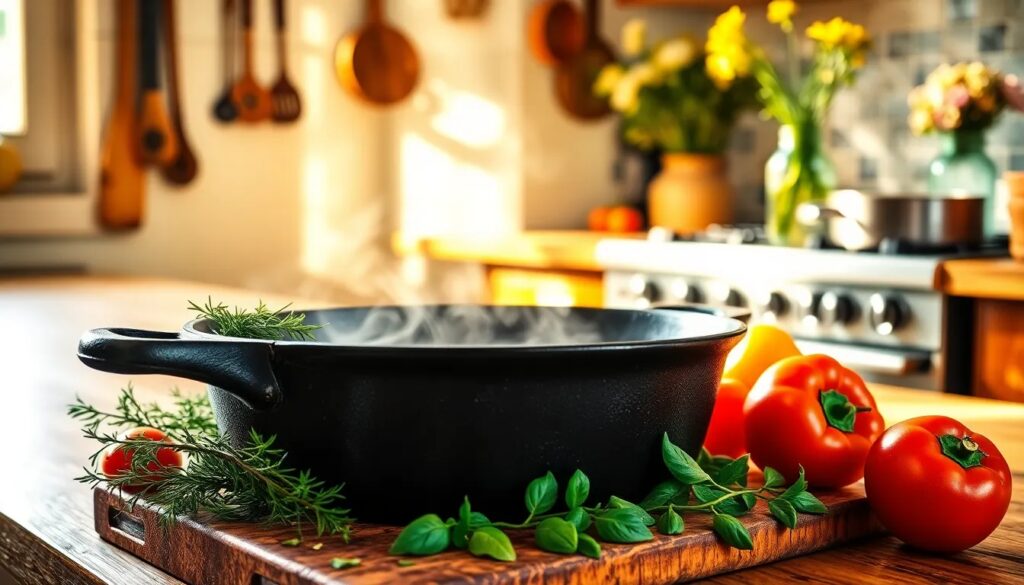
Seasoning your cast iron pan properly is essential for achieving optimal cooking performance and longevity. This article will provide you with essential techniques and tips on oil cast iron seasoning that you can easily apply to your kitchen routine.
By understanding the best practices for maintaining your cast iron skillet, you'll enhance its non-stick properties and ensure it serves you well for years to come.
Table of Contents
- How to season a new cast iron pan?
- What oil is best for seasoning cast iron?
- How to season cast iron without oven?
- What temperature should you season cast iron at?
- Can you use olive oil to season cast iron?
- What oil to use on cast iron after cleaning?
- Worst oil for seasoning cast iron?
- Best oil for cast iron seasoning?
- Avocado oil for seasoning cast iron?
- Future seasoning sessions: tips and best practices
- Questions related to seasoning cast iron cookware
How to season a new cast iron pan?
Seasoning a new cast iron pan is crucial for creating a protective layer that prevents rust and enhances its cooking performance. Start by washing the pan with warm, soapy water to remove any factory residue. It's important to dry it completely to avoid any moisture that could lead to rust.
Next, apply a thin, even layer of your chosen oil all over the pan. Make sure to cover the entire surface, including the handle and the bottom. This will help in achieving a uniform seasoning layer.
Finally, place the pan upside down in a preheated oven at a high temperature, usually around 450°F (232°C), for about an hour. This process allows the oil to polymerize, forming a non-stick surface. Let it cool in the oven before removing it.
What oil is best for seasoning cast iron?
When it comes to oil cast iron seasoning, not all oils are created equal. The best oils for seasoning are those with a high smoke point and healthy fat profile. Here are some popular choices:
- Flaxseed oil: Known for its great polymerization properties.
- Canola oil: A budget-friendly option with a high smoke point.
- Grapeseed oil: Offers a neutral flavor and high smoke point.
- Avocado oil: Excellent for high-temperature cooking.
Each of these oils provides different benefits, but for a long-lasting seasoning, flaxseed oil is often recommended by many cooking experts.
How to season cast iron without oven?
Seasoning cast iron without an oven is possible and can be done using a stovetop. Start by cleaning the pan and applying your chosen oil. Instead of baking it, you can heat the pan on the stove over medium heat until the oil begins to smoke slightly.
This technique can also be effective for maintaining your skillet after use. Just make sure to apply a small amount of oil after cooking, warm the pan, and let it cool down again before storing it.
What temperature should you season cast iron at?
Seasoning your cast iron at the right temperature is vital for effective polymerization. Most experts recommend a temperature of around 450°F (232°C) for optimal results. This temperature allows the oil to reach its smoke point, thus creating a durable, non-stick coating.
Always ensure that you preheat the oven before placing your pan inside. This helps achieve consistent seasoning and prevents the oil from pooling in one area. A properly seasoned cast iron skillet will not only improve cooking performance but also extend the life of your cookware.
Can you use olive oil to season cast iron?
While olive oil can be used for seasoning, it is generally not the best choice. The smoke point of olive oil is significantly lower than that of oils like flaxseed or avocado oil. Using olive oil may result in a sticky residue instead of a smooth, non-stick surface.
If you decide to use olive oil, opt for refined olive oil, which has a higher smoke point compared to extra virgin olive oil. However, for best practices in oil cast iron seasoning, consider using oils that are specifically recommended for this purpose.
What oil to use on cast iron after cleaning?
After cleaning your cast iron, it's important to apply a light coating of oil to protect it from moisture. Some good options include:
- Canola oil: Versatile and inexpensive.
- Flaxseed oil: Provides a strong protective layer.
- Vegetable oil: Commonly available and effective.
Apply the oil while the pan is still warm, ensuring an even coating. This will help maintain the seasoning and prevent rust from forming.
Worst oil for seasoning cast iron?
Avoid using oils with low smoke points, such as butter or unrefined oils, for seasoning your cast iron. These oils can burn easily during the seasoning process, leading to a sticky and uneven coating that affects the pan's performance.
Additionally, oils like corn oil and peanut oil can also leave residue that may not polymerize well, leading to potential issues with rust and sticking. Aim to stick with oils known for their high smoke points and effective polymerization properties.
Best oil for cast iron seasoning?
The best oil for cast iron seasoning is often considered to be flaxseed oil due to its low viscosity and excellent polymerization characteristics. It forms a strong, durable layer that improves the non-stick properties of your cookware.
However, if flaxseed oil is not available, avocado oil and grapeseed oil are also excellent alternatives. They both have high smoke points and won't impart any undesirable flavors to your food.
Avocado oil for seasoning cast iron?
Avocado oil is a fantastic option for oil cast iron seasoning. With a smoke point of around 520°F (271°C), it can withstand high temperatures without breaking down. This makes it ideal for creating a robust seasoning layer.
Additionally, avocado oil is rich in monounsaturated fats, which are not only healthy but also contribute to the development of a non-stick surface over time. If you're looking to enhance your cast iron skillet, avocado oil is certainly worth considering.
Future seasoning sessions: tips and best practices
To maintain your cast iron skillet's seasoning, regular upkeep is necessary. After each use, clean the pan with hot water and a soft sponge, avoiding soap unless absolutely necessary. This helps retain the seasoning layer.
Apply a thin layer of your chosen oil after cleaning while the pan is still warm. This will protect the surface and ensure it remains non-stick. Also, consider cooking fatty foods like bacon or sausage occasionally, as this helps in building up and enriching the seasoning.
Lastly, avoid soaking your cast iron pan in water or leaving it exposed to moisture for extended periods. Proper care will ensure that your skillet continues to perform at its best.
What oil do I season my cast iron with?
The best oils for seasoning cast iron are those with high smoke points such as flaxseed oil, canola oil, and avocado oil. These oils create a strong, durable non-stick surface. Flaxseed oil is particularly praised for its polymerization ability, making it the top choice among many cooking enthusiasts.
Should I season cast iron at 350 or 450?
It is recommended to season cast iron at 450°F (232°C). This temperature allows the oil to reach its smoke point, facilitating the polymerization process that creates a protective coating. Seasoning at this higher temperature ensures that the oil adheres well to the surface, enhancing the pan's performance.
What temperature does oil polymerize at?
Oil begins to polymerize at temperatures around 300°F (150°C) and above, but for optimal results, seasoning cast iron is often done at 450°F (232°C). At this temperature, the oil bonds effectively to the metal, forming a resilient, non-stick layer.
Is olive oil ok to season cast iron?
While you can use olive oil to season cast iron, it's not the best option due to its relatively low smoke point. This can result in a sticky surface rather than a smooth seasoning. For better results, consider using oils like flaxseed or avocado oil instead, which are known for their higher smoke points and better polymerization properties.
If you want to know other articles similar to Oil cast iron seasoning: the best practices for perfecting your skillet you can visit the category Seasoning & Marinades.

More embers