
Seasoning a rib roast: the ultimate guide
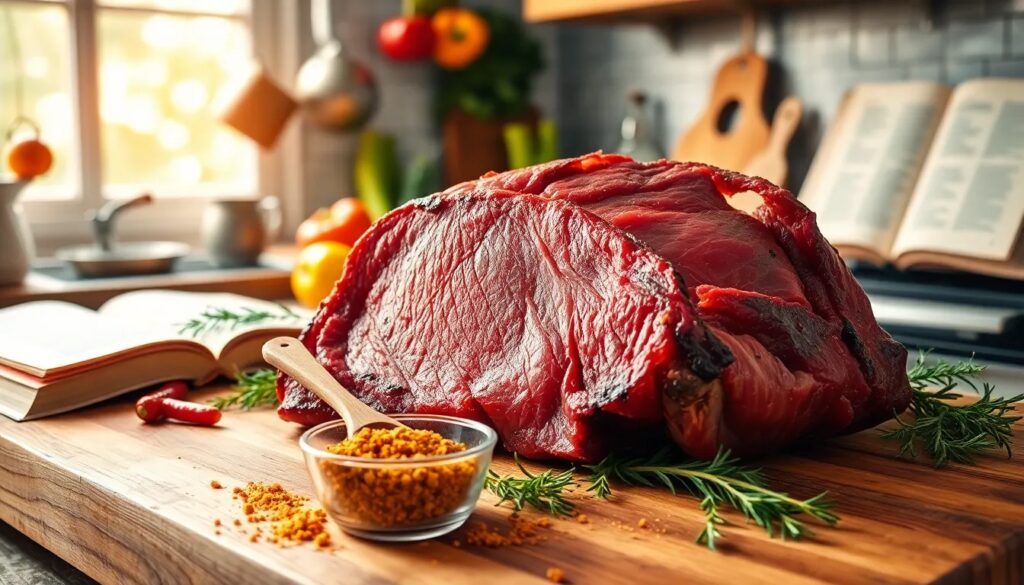
Seasoning a rib roast is an art that can elevate your culinary experience, especially during special occasions. Understanding the right techniques and ingredients not only adds flavor but also ensures a perfect roast every time.
This guide will take you through everything you need to know about seasoning a rib roast, from ingredients to cooking tips, making your holiday dinners memorable.
Table of Contents
- How is prime rib seasoned?
- What are the best ingredients for seasoning a rib roast?
- How long should you season a rib roast?
- Should you rub a prime rib the night before cooking?
- What are some popular prime rib seasoning recipes?
- How do you ensure perfect cooking of prime rib?
- What sides pair well with prime rib?
- Questions related to seasoning and cooking prime rib
How is prime rib seasoned?
Seasoning a rib roast starts with choosing the right blend of spices and herbs. A good approach is to create a mix that enhances the natural flavors of the meat. Common seasonings include garlic powder, rosemary, thyme, and black pepper. These ingredients work together to create a robust flavor profile.
Additionally, salt plays a crucial role in seasoning. It not only enhances the taste but also helps in drawing moisture out of the meat, allowing it to absorb the flavors from the herbs and spices.
- Start with a generous amount of salt to cover the roast evenly.
- Add garlic and herb seasonings to enhance the taste.
- Consider adding a touch of olive oil to help the spices adhere to the meat.
It's essential to allow the seasonings to penetrate the meat. This can be achieved by letting the seasoned rib roast sit at room temperature for about 30 minutes before cooking. The result will be a succulent prime rib that is bursting with flavor.
What are the best ingredients for seasoning a rib roast?
The best ingredients for seasoning a rib roast are those that complement its rich flavor. Here are some essential components:
- Fresh Herbs: Thyme, rosemary, and parsley can elevate the dish significantly.
- Garlic: Both fresh minced garlic and garlic powder add depth to the flavor.
- Black Pepper: Freshly cracked black pepper adds a nice kick.
- Salt: Kosher salt is preferred for its texture and flavor-enhancing properties.
- Olive Oil: A drizzle can help the herbs stick to the meat.
These ingredients not only enhance the taste but also create a beautiful crust when roasted. Feel free to adjust the amounts based on your personal preferences.
How long should you season a rib roast?
Timing is crucial when it comes to seasoning a rib roast. For optimal results, you should ideally season the meat at least 12 to 24 hours before cooking. This allows the flavors to penetrate deeply into the meat.
However, if you're short on time, seasoning it one hour before cooking can still yield good results. Just ensure that the roast is well-coated with your seasoning mix.
- For a quick seasoning, apply the mix directly and let it sit for one hour.
- For a deep flavor, season the roast the night before and refrigerate it.
If you choose to season overnight, it’s advisable to leave it uncovered in the refrigerator. This will help to dry out the surface, leading to a better crust when roasted.
Should you rub a prime rib the night before cooking?
Absolutely! Rubbing a prime rib the night before cooking is one of the best practices to enhance its flavor. By allowing the seasonings to sit overnight, the meat can absorb the spices, resulting in a much richer taste.
When preparing the rub, make sure to cover the entire surface of the roast. This not only flavors the meat but also helps in forming a delicious crust during cooking.
- Use a generous amount of seasoning to ensure every bite is flavorful.
- Store the rubbed roast in a covered container to prevent it from drying out.
Additionally, this method can save you time on the day of cooking, making your holiday preparations smoother and more enjoyable.
What are some popular prime rib seasoning recipes?
There are many great seasoning recipes for prime rib, catering to various taste preferences. Here are a few popular options:
- Classic Herb Mix: Combine rosemary, thyme, garlic powder, salt, and pepper.
- Spicy Rub: Mix cayenne pepper, paprika, garlic powder, and brown sugar for a sweet and spicy kick.
- Mustard & Herb Crust: Spread Dijon mustard on the roast and sprinkle with a mix of herbs and spices.
- Italian Blend: Use a mix of Italian seasoning, garlic, and olive oil for a Mediterranean twist.
Each of these recipes can be adapted based on the ingredients you have at hand and your personal taste. Experimenting with different herbs and spices can lead to a unique flavor that you and your guests will love.
How do you ensure perfect cooking of prime rib?
To ensure perfect cooking of prime rib, it’s essential to monitor the temperature using a reliable meat thermometer. This tool is crucial for checking doneness accurately.
For a medium-rare finish, aim for an internal temperature of 130°F to 135°F. Remove the roast from the oven when it reaches about 125°F, as it will continue to cook while resting.
- Let the rib roast rest for at least 20 minutes before carving to allow juices to redistribute.
- Use a sharp knife for clean, even slices.
- Consider the cooking time; allow about 15-20 minutes per pound at 325°F.
By following these tips, you can achieve a juicy and flavorful prime rib that impresses everyone at the dinner table.
What sides pair well with prime rib?
Pairing sides with prime rib is essential for a balanced meal. Here are some classic options that complement the rich flavor of the roast:
- Mashed Potatoes: Creamy and buttery, they are a traditional favorite.
- Yorkshire Pudding: A classic British side that is perfect with gravy.
- Roasted Vegetables: Carrots, Brussels sprouts, and potatoes add color and nutrition.
- Salads: A fresh salad can provide a nice contrast to the richness of the meat.
These sides not only enhance your meal but also create a festive atmosphere during celebrations. Choose a combination that suits your taste and enjoy a delightful dining experience.
What to season a rib roast with?
When seasoning a rib roast, consider using a mix of salt, pepper, garlic, and fresh herbs such as rosemary and thyme. These ingredients work together to enhance the natural flavors of the meat, creating a delicious crust while roasting.
How to get flavor into rib roast?
To get flavor into a rib roast, use a combination of dry rubs and marinades. Applying a seasoning mix generously and allowing it to sit for several hours or overnight will help the flavors penetrate deeply into the meat. Additionally, using a marinade that includes acid, such as vinegar or wine, can further enhance the taste.
How to season a rib?
Seasoning a rib involves covering the meat evenly with a mix of spices and herbs. Begin by patting the roast dry and then apply a generous amount of salt, followed by a blend of garlic, herbs, and black pepper. For best results, allow the seasoned meat to rest for several hours before cooking.
What is the most important thing to do before roasting a prime rib roast?
The most important step before roasting a prime rib roast is to ensure that it is properly seasoned. This enhances the flavor and tenderness of the meat. Additionally, letting the roast come to room temperature before cooking helps achieve even cooking throughout.
If you want to know other articles similar to Seasoning a rib roast: the ultimate guide you can visit the category Rub Seasoning.

More embers