

Seasoning brisket: the ultimate guide
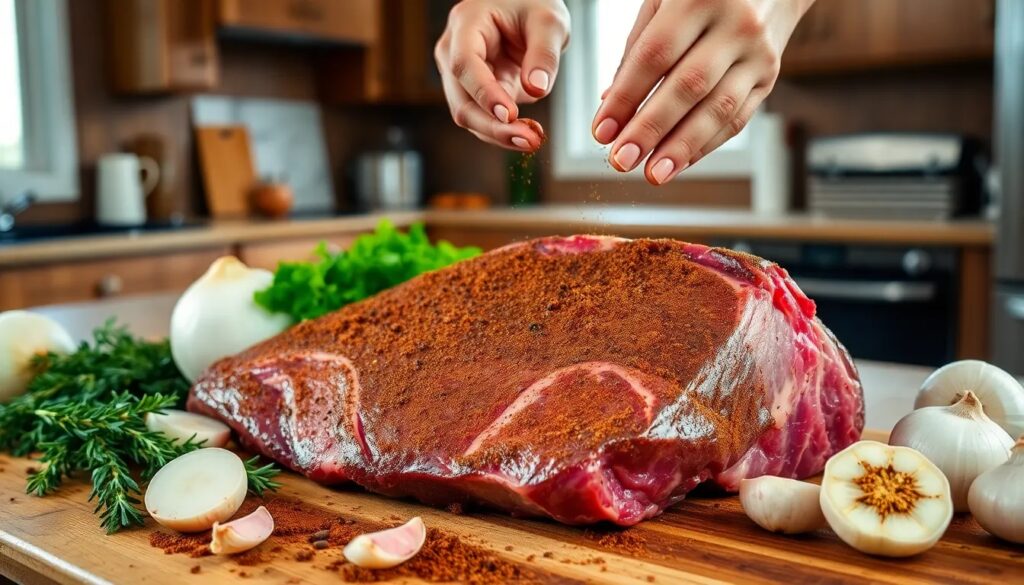
The art of perfecting the seasoning brisket is essential for any BBQ enthusiast. A well-seasoned brisket can elevate your barbecue game, ensuring deep, rich flavors that tantalize the palate. This guide explores various rub recipes, techniques, and tips to help you achieve the best results.
In this comprehensive guide, we will delve into the best brisket rubs, explore easy homemade recipes, and provide insights into cooking techniques for maximum flavor. If you want to master the art of brisket seasoning, you're in the right place.
Table of Contents
- The best brisket rub
- What is the best way to season brisket?
- Simple brisket rub recipe: a step-by-step guide
- How long should dry rub be on brisket?
- What ingredients go in beef brisket rubs?
- Tips for the perfect brisket rub
- How do you cook brisket?
- Brisket rub flavor variations you should try
- Related questions about seasoning brisket
- Questions related to mastering brisket seasoning
The best brisket rub
When it comes to seasoning brisket, the best brisket rub often features a balance of flavors that enhances the natural taste of the meat. A classic Texas-style rub usually contains simple ingredients that complement the smoky flavor imparted by slow cooking methods.
For a basic yet flavorful rub, consider a combination of:
- Coarse kosher salt
- Freshly ground black pepper
- Onion powder
- Garlic powder
- Smoked paprika
- Brown sugar
This blend creates a robust flavor profile that can be adjusted to suit your preferences. Experimenting with different spice ratios allows you to customize the perfect seasoning for your brisket.
What is the best way to season brisket?
To effectively season brisket, start by preparing your meat properly. Pat it dry with paper towels to remove excess moisture, allowing the rub to adhere better. Then, apply your seasoning generously, ensuring that every inch of the brisket is coated.
A key tip is to let the seasoning brisket sit for at least an hour before cooking. This allows the flavors to penetrate the meat. For even better results, consider applying the rub the night before and letting it marinate in the refrigerator.
Remember to always keep your rub simple and balanced. Overcomplicating the blend can mask the natural flavors of the brisket. The goal is to enhance, not overpower, the meat.
Simple brisket rub recipe: a step-by-step guide
Creating a homemade brisket rub is a straightforward process. Here’s a quick step-by-step guide to help you make your own:
- Gather ingredients: Collect your spices and rub components including salt, pepper, and any additional flavors you prefer.
- Mix thoroughly: In a bowl, combine all ingredients, ensuring they are evenly distributed.
- Test the flavor: Taste a small amount of the rub to see if it meets your expectations.
- Store properly: If not using immediately, store the rub in an airtight container to maintain freshness.
This simple process allows you to create a unique seasoning that can be tailored to your personal taste, ensuring your brisket stands out at any gathering.
How long should dry rub be on brisket?
The duration for which a dry rub should be left on brisket can vary based on personal preference. However, a general guideline is to leave it on for at least one hour prior to cooking. This allows the flavors to penetrate the meat effectively.
For best results, consider letting the brisket rest in the refrigerator with the rub on overnight. This extended marination time enhances flavor absorption, creating a more delicious final product.
If you're short on time, a quick rub and immediate cooking can still yield tasty results, but the depth of flavor will not be as pronounced as with longer marination.
What ingredients go in beef brisket rubs?
When crafting a beef brisket rub, several key ingredients can be incorporated to enhance flavor. Typical ingredients include:
- Salt: Essential for flavor enhancement and moisture retention.
- Pepper: Freshly ground black pepper adds heat and complexity.
- Garlic and onion powders: These provide a savory depth that complements the meat.
- Smoked paprika: Adds a rich smokiness that is characteristic of good BBQ.
- Brown sugar: Offers a sweet contrast that balances savory flavors.
These ingredients can be adjusted or substituted based on your preferences, allowing for endless possibilities in creating the perfect seasoning brisket.
Tips for the perfect brisket rub
Perfecting a brisket rub requires attention to detail and a bit of experimentation. Here are some helpful tips:
1. Use fresh spices: The potency of your spices can greatly affect the final taste. Always opt for fresh, high-quality spices for the best results.
2. Balance flavors: Aim for a harmonious mix of salty, sweet, and spicy elements. A well-rounded rub will highlight the brisket's natural flavors.
3. Don’t skip the sugar: A small amount of sugar can help create a nice caramelization on the surface of the brisket when cooking.
4. Consider your cooking method: Different cooking methods may benefit from specific rubs. For instance, smoking may require a different blend than grilling.
5. Test and refine: Cook a small piece of brisket with your rub to test the flavors. Adjust the ratios based on the results.
How do you cook brisket?
Cooking brisket can be achieved through various methods, but smoking is the most popular among BBQ enthusiasts. Here’s a simple outline of the smoking process:
1. Prepare your smoker: Preheat your smoker to maintain a low and steady temperature, ideally between 225°F and 250°F.
2. Add wood chips: Incorporate your choice of wood chips to impart additional flavor. Hickory and mesquite are popular options.
3. Place brisket on the smoker: Once the smoker is ready, place the seasoned brisket directly on the grill grate.
4. Monitor the temperature: Use a meat thermometer to keep track of the internal temperature, aiming for around 190°F to 205°F for optimal tenderness.
5. Rest before slicing: After cooking, let the brisket rest for at least 30 minutes before slicing. This allows the juices to redistribute, resulting in a more flavorful cut.
This method ensures that the brisket remains juicy and flavorful while achieving that coveted smoky essence.
Brisket rub flavor variations you should try
Experimenting with different flavor profiles can lead to exciting and unique brisket rubs. Here are a few variations to consider:
- Spicy Chipotle Rub: Add chipotle powder for a smoky, spicy kick.
- Sweet and Savory: Incorporate additional brown sugar and cinnamon for a sweeter profile.
- Herb-Infused: Mix in dried herbs like thyme, rosemary, or oregano for a fresh twist.
- Citrus Zest: Adding lemon or orange zest can brighten the flavors significantly.
- Asian-Inspired: Try soy sauce powder, ginger, and sesame seeds for a unique flair.
These variations allow you to explore different regional BBQ styles and preferences, enhancing your overall BBQ skills.
What season is good for brisket?
The best season for brisket often aligns with warmer months when BBQ gatherings are more frequent. However, brisket can be enjoyed year-round, especially during special occasions or holidays. The key is to choose a time when you can dedicate several hours to slow-cook the meat, allowing the flavors to develop fully.
Additionally, consider the season's availability of ingredients. Fresh herbs or produce can enhance your seasoning rub, making each seasonal cookout unique.
What is the 3/2:1 rule for brisket?
The 3/2:1 rule is a popular technique among BBQ enthusiasts for cooking brisket. This method suggests smoking your brisket for 3 hours, wrapping it in foil for another 2 hours, and then unwrapping it for the final hour. This technique helps retain moisture while allowing for a beautiful bark to develop on the meat's exterior.
By following this rule, you can ensure a tender, flavorful brisket that impresses your guests.
Should I season brisket overnight?
Yes, seasoning brisket overnight is often recommended for optimal flavor. Allowing the rub to sit on the meat for an extended period permits the spices to penetrate more deeply, enhancing the overall taste. This step is particularly important for larger cuts of meat, where deeper flavor absorption is crucial.
By planning ahead and seasoning overnight, you can achieve the best results in your brisket preparation.
If you want to know other articles similar to Seasoning brisket: the ultimate guide you can visit the category Rub Seasoning.

More embers