

Onions: types, benefits, and uses
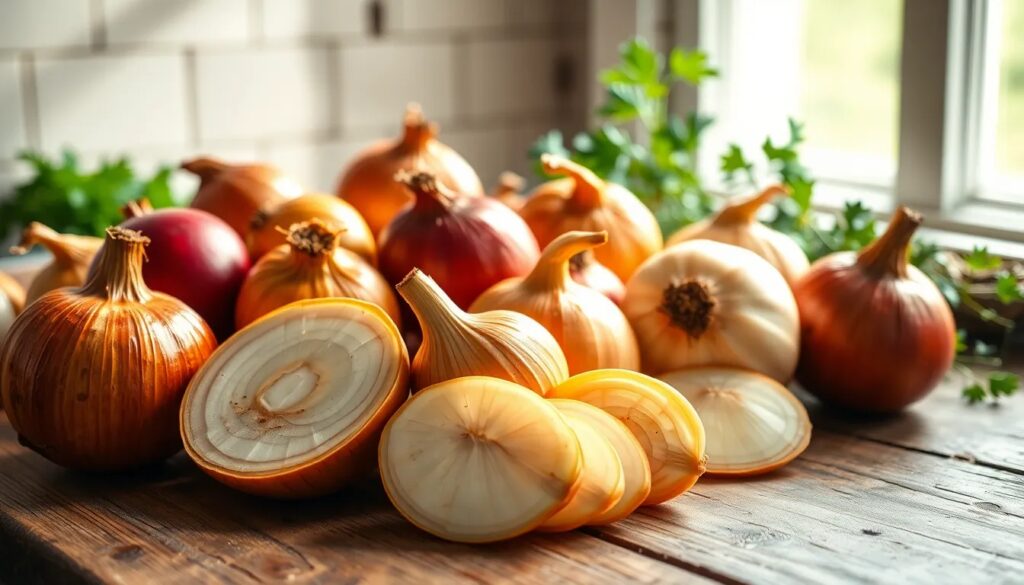
Onions are a staple in kitchens around the world, cherished for their flavor and versatility. They belong to the Allium cepa species and offer a variety of culinary uses and health benefits. This article explores the different types of onions, their nutritional value, and how to properly store and incorporate them into your diet.
Table of Contents
- Types of onions: what are they and how to use them?
- What are the benefits of onions for your health?
- How do you store onions properly?
- What types of onions are best for cooking?
- What are the nutritional facts about onions?
- How can you incorporate onions into your diet?
- What are the adverse effects of onions?
- Frequently asked questions about onions
Types of onions: what are they and how to use them?
There are several types of onions available, each with unique flavors and uses. The most common varieties include:
- Yellow onions: These are the most widely used onions. They have a strong flavor and are perfect for caramelizing.
- Red onions: Known for their vibrant color, red onions are milder and great for salads and salsas.
- White onions: These onions have a sharp taste and are often used in Mexican cuisine.
- Green onions: Also known as scallions, they are mild in flavor and can be used fresh in various dishes.
- Sweet onions: Varieties like Vidalia and Walla Walla are known for their sweetness and are great for raw consumption.
Each type of onion can complement different recipes, enhancing the overall flavor profile of your meals. When choosing an onion, consider the dish you plan to prepare to select the most suitable variety.
What are the benefits of onions for your health?
Onions are not only flavorful but also pack numerous health benefits. Some of the most notable include:
1. Antioxidant properties: Onions are rich in quercetin, an antioxidant that can help fight inflammation and reduce oxidative stress in the body.
2. Heart health: The consumption of onions has been linked to improved heart health due to their ability to lower cholesterol levels and reduce the risk of heart disease.
3. Blood sugar control: Onions can assist in regulating blood sugar levels, making them a beneficial addition for individuals with diabetes.
4. Bone health: The nutrients found in onions contribute to stronger bones, helping to prevent osteoporosis.
Incorporating onions into your diet can lead to improved overall health, making them a valuable vegetable to include in various dishes.
How do you store onions properly?
Proper storage of onions is essential to maintain their freshness and flavor. Here are some effective tips:
- Store in a cool, dry place: Onions should be kept in a well-ventilated area, away from direct sunlight.
- Avoid moisture: Moisture can lead to mold growth, so it's important to keep onions dry.
- Use mesh bags or baskets: These allow for better airflow compared to plastic bags, which can trap moisture.
- Keep away from potatoes: Storing onions and potatoes together can cause them to spoil faster due to the gases they emit.
Following these storage tips will help extend the shelf life of your onions, ensuring they stay fresh and flavorful for longer.
What types of onions are best for cooking?
When it comes to cooking, certain types of onions work better than others. Here are some top choices:
1. Yellow onions: Their robust flavor makes them ideal for sautéing, roasting, and caramelizing.
2. Shallots: Milder than yellow onions, shallots add a delicate sweetness to sauces and dressings.
3. Sweet onions: These are perfect for raw applications, such as salads or sandwiches, but can also be used in cooking.
4. Red onions: Best used raw, they add color and a mild flavor to dishes like salads and salsas.
Choosing the right onion can greatly enhance your dish's flavor, so consider the cooking method and the taste you wish to achieve.
What are the nutritional facts about onions?
Onions are low in calories yet high in essential nutrients. Here’s a breakdown of their nutritional content:
- Calories: Onions are low-calorie vegetables, with about 40 calories per 100 grams.
- Fiber: They contain dietary fiber, which promotes digestive health.
- Vitamins: Onions are rich in vitamin C, B6, and folate, which support immune function and cell health.
- Minerals: They provide essential minerals such as potassium and manganese.
These nutritional facts highlight how onions can be a valuable addition to a healthy diet, providing essential nutrients without adding excessive calories.
How can you incorporate onions into your diet?
Incorporating onions into your meals is easy and enjoyable. Here are several ways to do so:
1. Soups and stews: Onions provide a rich base for soups and stews, enhancing flavor through slow cooking.
2. Salads: Raw onions add crunch and taste to salads. Consider using red or green onions for a milder flavor.
3. Grilled or roasted: Grilling or roasting onions caramelizes their sugars, bringing out their natural sweetness.
4. Dips and sauces: Onions can be blended into dips or sauces for added flavor and nutrition.
These methods illustrate the versatility of onions, showing how they can be included in various types of cuisine.
What are the adverse effects of onions?
While onions offer many benefits, they can also cause some adverse effects, especially for certain individuals:
1. Digestive issues: Some people may experience heartburn or indigestion after consuming onions, particularly raw ones.
2. Allergic reactions: Although rare, onion allergies can occur and may cause symptoms like itching or swelling.
3. Bad breath: Onions can contribute to halitosis, which is the unpleasant odor of breath that can linger after consumption.
Being aware of these potential side effects allows individuals to make informed decisions about their onion intake.
Frequently asked questions about onions
What are the health benefits of onions?
Onions offer numerous health benefits, such as improving heart health, aiding in blood sugar regulation, and enhancing bone strength. They are rich in antioxidants that fight inflammation and support immune function. Additionally, the prebiotic properties of onions promote gut health by promoting the growth of beneficial bacteria.
Which onion is healthiest?
Generally, red onions are considered the healthiest due to their high antioxidant content, particularly quercetin. However, all varieties of onions have their unique benefits. For maximum health benefits, it’s a good idea to incorporate a mix of different onion types into your diet.
Are onions good or bad for you?
Onions are largely beneficial for most people due to their rich nutritional profile. They can support heart health, improve digestion, and provide essential vitamins and minerals. However, some individuals may experience digestive discomfort or allergic reactions, making it essential to listen to your body and consume them in moderation.
How many onions should I eat a day?
There is no specific daily recommendation for onion intake. However, incorporating a small to moderate amount, such as one medium onion per day, can provide health benefits without causing adverse effects. It’s important to balance your diet with a variety of vegetables to ensure optimal nutrition.
For more insights about cooking with onions, check out this informative video:
If you want to know other articles similar to Onions: types, benefits, and uses you can visit the category Vegetable Marinades.

More embers