

Celeriac: A Versatile Root Vegetable to Explore
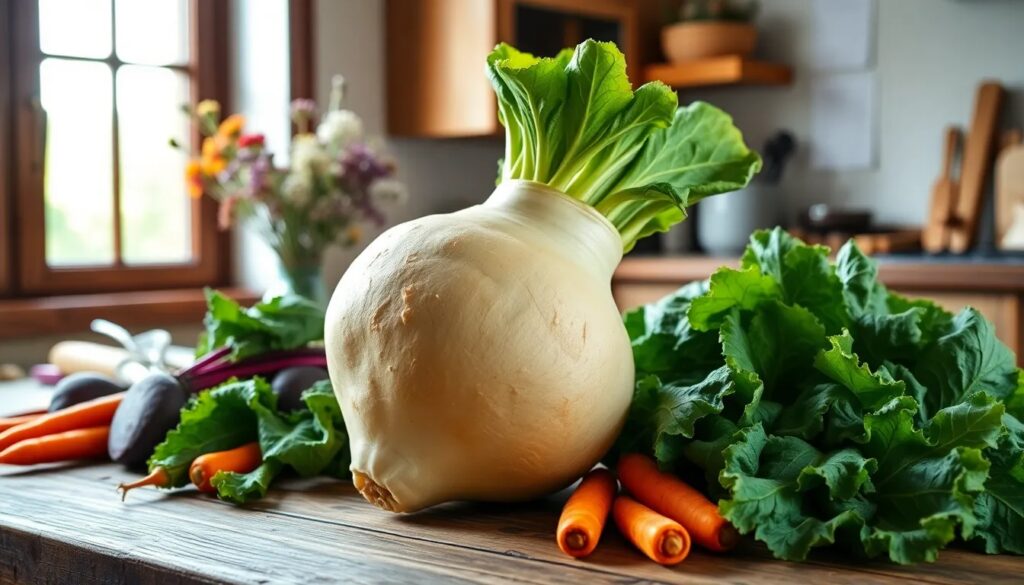
Celeriac, also known as celery root, is a unique root vegetable that may not win any beauty contests, but its flavor makes it a culinary gem. This versatile vegetable is perfect for fall recipes, bringing a delightful taste and numerous health benefits to your table.
In this article, we will explore the world of celeriac, from its origins and flavor profile to cooking tips and delicious recipes. Let’s dive into the amazing attributes of this underrated root vegetable!
Table of Contents
What is celeriac? Plus, expert advice on prepping and cooking this root vegetable
Celeriac, scientifically known as Apium graveolens, is a cultivated bulb-like root that hails from the Mediterranean and Northern Europe. Unlike its more popular cousin, celery, celeriac is grown specifically for its root rather than its stalks. This unique vegetable is harvested when its hypocotyl reaches about 10-14 cm in diameter, showcasing a rough, knobby exterior while hiding a smooth, white interior.
When preparing celeriac, it’s essential to first peel the tough skin, revealing the tender flesh inside. This root vegetable has a flavor that combines subtle celery notes with sweetness and a hint of pepperiness, making it incredibly versatile in the kitchen.
- Use celeriac raw in salads or slaws for a crisp texture.
- Roast it for a caramelized flavor that enhances its natural sweetness.
- Purée it for a creamy, comforting side dish.
- Add it to soups for depth and a unique twist on traditional flavors.
What does celeriac taste like?
The flavor of celeriac is often described as a mild blend of celery, sweetness, and peppery undertones. This complexity makes it a fantastic addition to various dishes, providing depth without overpowering other ingredients.
When cooked, celeriac develops a rich, nutty flavor that pairs wonderfully with many proteins, such as pork or duck. Its unique taste profile also complements various vegetables, herbs, and spices, allowing for creative culinary explorations.
How do you eat celeriac?
Eating celeriac can be as simple or as complex as you choose. This vegetable can be enjoyed raw, cooked, or even pickled. Here are some popular methods to include celeriac in your meals:
- Raw: Slice or julienne celeriac to add crunch to salads or use in vegetable wraps.
- Cooked: Steam, sauté, or roast celeriac for a warm side dish or as an ingredient in soups and stews.
- Puréed: Blend cooked celeriac with cream or broth for a velvety soup or side dish.
Its unique flavor also allows it to serve as an excellent substitute for potatoes in many recipes, making it a great option for those looking to reduce carbohydrates.
How to cook celeriac to perfection?
Cooking celeriac to perfection involves understanding its unique properties. Since it has a dense texture, it requires longer cooking times than many other vegetables. Here are some tips to ensure your celeriac dishes turn out wonderfully:
- Cut evenly: Ensure that all pieces of celeriac are cut to a uniform size to guarantee even cooking.
- Don’t overcook: While it’s important to cook celeriac until tender, be cautious not to overdo it, as it can become mushy.
- Season well: Enhance the flavor of celeriac with herbs, spices, and a splash of acidity, such as lemon juice or vinegar.
A popular method is to roast celeriac in the oven, allowing it to caramelize and develop a deeper flavor. Simply toss cubed celeriac with olive oil, salt, and your favorite seasonings, then roast until golden brown!
Celeriac recipes you need to try
Celeriac is incredibly versatile and can be used in a wide range of recipes. Here are a few must-try ideas to incorporate this delightful root vegetable into your meals:
- Celeriac Soup: A creamy, flavorful soup made by blending cooked celeriac with broth, cream, and herbs.
- Roasted Celeriac with Garlic: Toss cubed celeriac with garlic, olive oil, and herbs, then roast until golden.
- Celeriac and Apple Slaw: A crunchy salad made with shredded celeriac, apples, and a tangy dressing.
- Celeriac Gratin: Layer thinly sliced celeriac with cheese and cream for a decadent side dish.
- Celeriac Mash: Substitute mashed potatoes with creamy celeriac mash for a delightful twist.
These recipes highlight the unique flavor and texture of celeriac, making it a star ingredient in any dish.
Celeriac nutrition: Why this vegetable is good for you
Celeriac is not just a culinary delight; it’s also packed with nutrients that contribute to a healthy diet. This root vegetable is a great source of fiber, which aids in digestion and promotes satiety.
Additionally, celeriac is rich in vitamins and minerals, including vitamin K, vitamin C, and potassium. These nutrients play essential roles in maintaining bone health, supporting the immune system, and regulating blood pressure.
Incorporating celeriac into your meals can be a delicious way to boost your overall nutrition and enjoy the benefits of this often-overlooked vegetable.
What is celeriac called in the USA?
In the United States, celeriac is commonly referred to as celery root. This name highlights its origin as a type of celery cultivated specifically for its bulbous root. Despite its appearance, celery root is gaining popularity among chefs and home cooks alike due to its unique flavor and versatility.
Why do chefs love celeriac?
Chefs appreciate celeriac for its distinctive flavor and adaptability in the kitchen. Its mild taste allows it to blend well with various ingredients, making it a favorite for innovative dishes. Additionally, celeriac's robust texture holds up well during cooking, allowing for diverse preparation methods ranging from roasting to puréeing.
What is another name for celeriac?
Another name for celeriac is celery root, which indicates its close relation to celery. This term emphasizes its root form rather than the more commonly known stalks of celery.
Is celeriac a turnip?
No, celeriac is not a turnip. While both are root vegetables, they belong to different plant families. Celeriac is a variety of celery, while turnips are part of the brassica family, which includes vegetables like cabbage and broccoli. Their flavors and textures also differ significantly, making them unique in their culinary uses.
To further explore the culinary possibilities of celeriac, check out this informative video:
If you want to know other articles similar to Celeriac: A Versatile Root Vegetable to Explore you can visit the category Vegetable Marinades.


More embers