
Rutabaga
The rutabaga, often overlooked, is a nutrient-rich root vegetable that deserves more attention in our kitchens. With its sweet flavor and numerous culinary applications, it's time to explore the benefits and uses of this underrated gem in the vegetable world.
Originating from the hybridization of the turnip and wild cabbage, rutabagas offer a unique taste and texture that can elevate a variety of dishes. Let's dive into the world of rutabagas, uncovering their nutritional benefits, cooking methods, and delicious recipes.
Table of Contents
- What is a rutabaga?
- What are the nutritional benefits of rutabaga?
- How to pick the perfect rutabaga?
- What are some delicious rutabaga recipes?
- Rutabaga vs turnip: what’s the difference?
- How to properly store rutabaga?
- What is the best way to cook rutabaga?
- Frequently asked questions about rutabagas
- Related questions about rutabagas
What is a rutabaga?
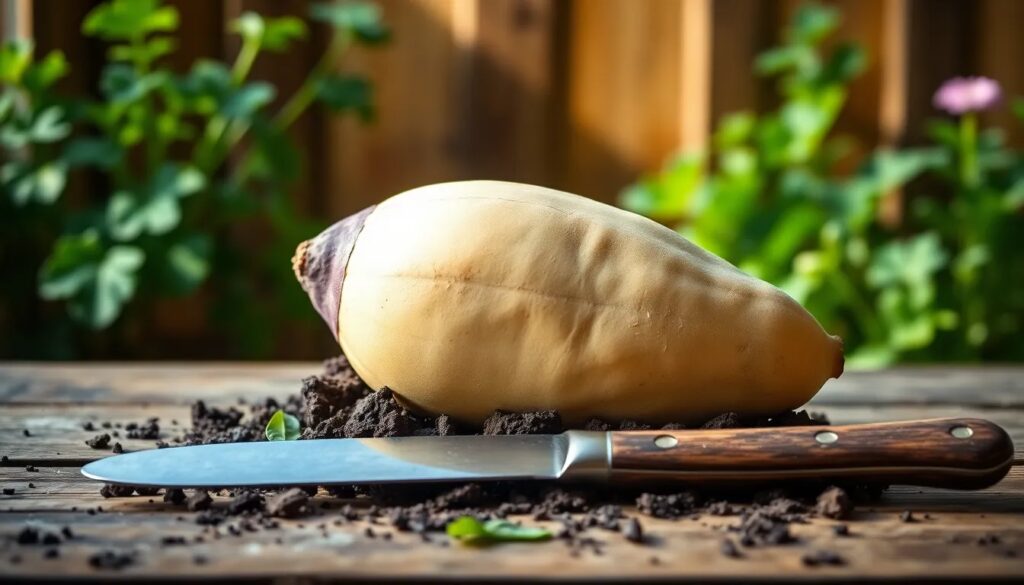
A rutabaga, known scientifically as Brassica napus, is a root vegetable that is a cross between the turnip and wild cabbage. It has a distinctive yellowish flesh and a purple-tinged skin, making it easy to identify. Often referred to as swede in some regions, rutabagas have a long history, particularly in Scandinavian cuisine.
These root vegetables thrive in cooler climates and are typically harvested between October and March. Their sweet, slightly peppery flavor makes them a versatile ingredient in many dishes. In fact, they can be enjoyed raw in salads or cooked in a variety of ways, enhancing the culinary experience.
Rutabagas are not just versatile; they are also packed with essential nutrients that can contribute to a healthy diet. Rich in vitamins A and C, they offer a range of health benefits that can help support overall well-being.
What are the nutritional benefits of rutabaga?
The nutritional value of rutabaga is impressive. A single serving is low in calories, making it an excellent choice for those looking to maintain a healthy weight. It contains:
- High levels of vitamins: Rutabagas are rich in vitamin C, which is vital for immune function.
- Dietary fiber: This promotes healthy digestion and can aid in weight management.
- Antioxidants: These protect the body against oxidative stress and may reduce the risk of chronic diseases.
In addition to these nutrients, rutabagas are high in potassium, which helps to regulate blood pressure. The combination of vitamins and minerals makes rutabagas a fantastic addition to any diet, especially in vegetarian and vegan meals.
How to pick the perfect rutabaga?
Choosing the perfect rutabaga is essential for ensuring the best flavor and texture. Here are a few tips to keep in mind:
- Look for firm, smooth-skinned rutabagas without any blemishes or soft spots.
- The size matters: smaller rutabagas tend to be sweeter and more flavorful.
- Check the color: a rich purple hue on the skin often indicates freshness.
When shopping for rutabagas, it’s also helpful to know that they should feel heavy for their size. This indicates that they are fresh and full of moisture. Once you've picked the perfect rutabaga, you can start planning how to prepare it!
What are some delicious rutabaga recipes?
Rutabagas are incredibly versatile and can be used in a variety of dishes. Here are a few delicious rutabaga recipes to try:
- Rutabaga fries: Cut rutabaga into thin sticks, toss with olive oil, salt, and pepper, and bake until crispy.
- Mashed rutabaga: Boil until tender and mash with butter and cream for a creamy side dish.
- Rutabaga in soups and stews: Add diced rutabaga to your favorite soup or stew for added flavor and nutrition.
These recipes highlight the versatility of rutabagas and their ability to absorb flavors, making them a fantastic addition to any meal. Don’t be afraid to experiment with these ideas and create your own variations!
Rutabaga vs turnip: what’s the difference?
Many people often confuse rutabagas with turnips, but they are distinct vegetables with notable differences. Here’s how they compare:
- Flavor: Rutabagas have a sweeter, more complex flavor, while turnips are typically sharper and more peppery.
- Appearance: Rutabagas are larger with a yellowish flesh and purple-tinged skin, whereas turnips are usually smaller and mostly white.
- Nutritional content: Rutabagas tend to have higher levels of vitamins A and C compared to turnips.
Understanding these differences can help you choose the right vegetable for your recipes and dietary needs. Both are nutritious, but rutabagas offer a unique taste that can enhance many dishes.
How to properly store rutabaga?
Storing rutabagas correctly is crucial for maintaining their freshness and flavor. Here are some tips for proper storage:
- Cool, dark place: Store rutabagas in a cool, dark place like a cellar or pantry.
- Avoid moisture: Keep them in a mesh bag or open container to prevent moisture buildup, which can lead to rot.
- Refrigeration: If cut, wrap them tightly in plastic wrap and store them in the refrigerator to extend their shelf life.
By following these storage tips, you can ensure that your rutabagas remain fresh and delicious for an extended period, ready to be used in your favorite recipes.
What is the best way to cook rutabaga?
Rutabagas can be prepared in various ways, each method enhancing their unique flavor. Here are some popular rutabaga cooking methods:
- Boiling: A quick method that softens rutabagas for mashing or adding to soups.
- Roasting: Roasting brings out the natural sugars, creating a caramelized exterior.
- Steaming: This method retains more nutrients and is great for adding to salads or sides.
Experimenting with these different cooking methods can help you discover which one you prefer, allowing you to incorporate rutabagas into your meals in a way that suits your taste.
Frequently asked questions about rutabagas
What does rutabaga taste like?
Rutabaga has a unique flavor profile that can be described as slightly sweet with a hint of pepperiness. The taste is often compared to a blend of turnips and cabbage, making it versatile for various culinary uses. When cooked, rutabagas become milder and sweeter, making them ideal for roasting or mashing. The texture is firm when raw but tender when cooked, enhancing its appeal in dishes.
Are rutabagas healthier than potatoes?
While both rutabagas and potatoes offer health benefits, rutabagas tend to be lower in calories and carbohydrates, making them a favorable option for those monitoring their intake. Rutabagas are also high in fiber and packed with vitamins, especially vitamin C and A. Including rutabagas in your diet can provide additional nutrients while offering a unique flavor compared to traditional potatoes.
What is another name for rutabaga?
Another common name for rutabaga is swede, particularly in the UK and other English-speaking countries. In some regions, they may also be referred to as Swedish turnips or simply neeps. Regardless of the name, rutabagas are valued for their nutritious benefits and culinary versatility, making them a beloved staple in many cuisines.
What is the best way to eat rutabagas?
The best way to enjoy rutabagas is through various cooking methods that showcase their flavor. They can be eaten raw in salads or slaws for a crunchy texture, or cooked in soups, stews, or roasted to bring out their sweetness. Mashed rutabaga is a delicious alternative to mashed potatoes, and rutabaga fries offer a healthier twist on a favorite snack. Experimenting with these methods can help you find your preferred way to enjoy this root vegetable.
If you want to know other articles similar to Rutabaga you can visit the category Vegetable Marinades.


More embers