

Scallion: everything you need to know
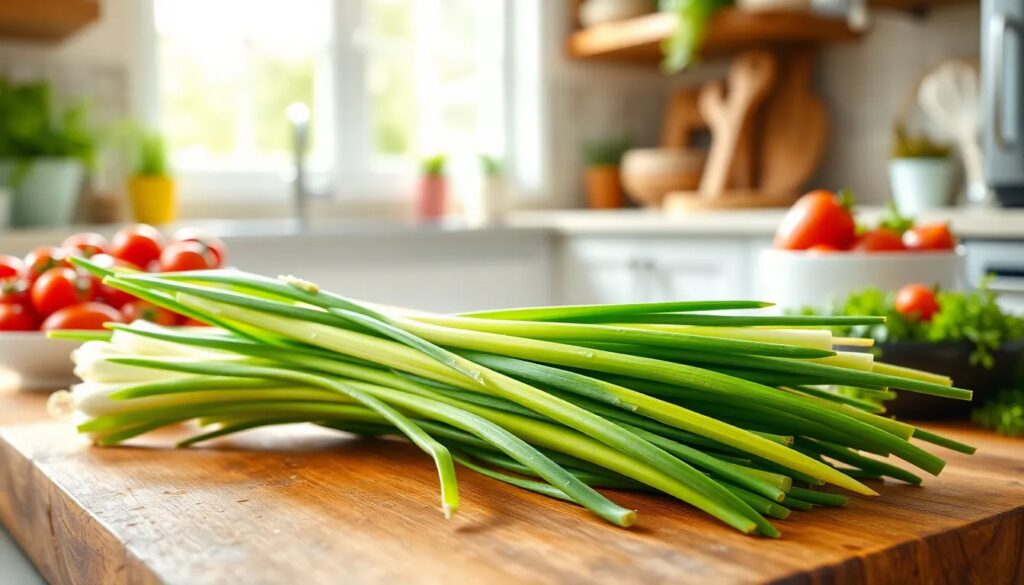
Scallions, commonly referred to as green onions or spring onions, are a versatile ingredient in various cuisines. Their mild flavor and distinctive appearance make them a popular choice for enhancing dishes with both color and taste. In this article, we will explore everything you need to know about scallions, including their culinary uses, differences from similar vegetables, and tips for proper storage.
Table of Contents
- Scallions: All you need to know
- Spring onions vs scallions: what’s the difference?
- What are the best scallion recipes?
- How to store scallions properly?
- What are the culinary uses of scallions?
- How do scallions compare to chives?
- Where can you buy scallions?
- Related questions about scallions
- Related questions about scallions and their culinary uses
Scallions: All you need to know
Scallions belong to the Allium family, which includes onions, garlic, and leeks. They are characterized by their slender green tops and small white bulbs. Unlike regular onions, scallions are harvested before the bulb fully develops, offering a milder taste and a crunchy texture. Their unique flavor profile makes them ideal for salads, garnishes, and various cooked dishes.
Scallions can often be mistaken for green onions, but they have subtle differences in flavor and appearance. They are versatile in the kitchen, lending themselves to a range of culinary applications from raw toppings to cooked ingredients in soups and stir-fries.
Spring onions vs scallions: what’s the difference?
While the terms spring onions and scallions are often used interchangeably, they refer to slightly different vegetables. Spring onions typically have a larger bulb compared to scallions. Moreover, spring onions are usually harvested later in the growing stage, resulting in a slightly stronger flavor.
- Scallions: Milder flavor, smaller bulbs, and green tops.
- Spring onions: Stronger flavor, larger bulbs, and sometimes a hint of sweetness.
- Both can be used interchangeably in many recipes, depending on personal taste preferences.
In essence, the main distinction lies in the size and flavor intensity, with scallions being favored for their milder taste. Understanding these differences can help in selecting the right ingredient for your recipes.
What are the best scallion recipes?
Scallions can be used in countless recipes, showcasing their flexibility in the kitchen. Here are some delicious scallion recipes to consider:
- Scallion pancakes: A crispy and savory dish that's perfect as an appetizer.
- Asian-style stir-fry: Add chopped scallions to your favorite stir-fry for a fresh twist.
- Scallion and potato soup: A comforting soup that highlights the flavor of scallions.
- Omelets: Incorporate chopped scallions for added flavor and texture.
These recipes illustrate just a fraction of the culinary possibilities with scallions. Their ability to enhance both flavor and presentation makes them a staple ingredient in many kitchens.
How to store scallions properly?
To ensure that scallions maintain their freshness, proper storage is essential. Here are some tips for keeping your scallions in peak condition:
- Store scallions in the refrigerator wrapped in a damp paper towel. This helps maintain moisture.
- Alternatively, place them upright in a jar with about an inch of water, covering the green tops with a plastic bag.
- For long-term storage, consider freezing chopped scallions. This can be done by spreading them on a baking sheet, freezing them, and then transferring them to a freezer bag.
Following these scallion storage tips can help retain their flavor and nutritional benefits, making them ready for your next culinary adventure.
What are the culinary uses of scallions?
Scallions are an essential ingredient in various cuisines worldwide. Their versatility allows them to be used in both raw and cooked forms. Here are some culinary uses:
In salads, scallions add a crunchy texture and a burst of flavor. They can also be used as a garnish for soups, adding a fresh element to the dish. In cooking, scallions can be sautéed, grilled, or even caramelized to transform their flavor profile.
They are particularly popular in Asian dishes, where they are incorporated into stir-fries, dumplings, and noodle dishes. Additionally, scallions can be blended into sauces or dressings to enhance their flavor.
How do scallions compare to chives?
Scallions and chives are both members of the Allium family but have distinct differences. Chives have a more delicate flavor compared to scallions, which have a stronger and slightly sharper taste. Chives are typically used as a garnish or in dishes where their flavor can shine without being overpowering.
While scallions are more versatile and can be used in a variety of dishes, chives excel in adding a subtle onion flavor to recipes. Understanding these differences allows for better ingredient selection in your cooking.
Where can you buy scallions?
Scallions are widely available in many grocery stores and markets. You can typically find them in the produce section, often sold in bunches. Farmers' markets are also a great place to purchase fresh scallions, as they often provide locally sourced options.
When buying scallions, look for vibrant green tops and firm white bulbs. Avoid any scallions that appear wilted or discolored. Additionally, consider purchasing organic scallions whenever possible to ensure you are consuming the highest quality produce.
Are scallions and green onions the same thing?
Yes, scallions and green onions refer to the same vegetable. However, depending on the region, some people may differentiate between the two based on the size of the bulb. Both terms describe a type of Allium vegetable with a mild flavor that is commonly used in cooking.
What do Americans call scallions?
In the United States, the terms scallions and green onions are used interchangeably. In some areas, they are simply referred to as green onions. This reflects the vegetable's popularity in American cuisine.
What is scallions in English?
In English, the term scallions is used to describe this particular type of green onion. They are also known as spring onions in other parts of the world. The terminology may vary, but the culinary applications remain largely the same.
Are chives and scallions the same?
No, chives and scallions are not the same, although they are both part of the Allium family. Chives have a more delicate flavor and are typically used as a garnish. In contrast, scallions have a stronger flavor and can be used in a wider range of cooking applications.
In summary, scallions are a versatile and flavorful ingredient that can enhance a variety of dishes. Understanding their characteristics, storage methods, and culinary uses can help elevate your cooking experience.
If you want to know other articles similar to Scallion: everything you need to know you can visit the category Vegetable Marinades.

More embers