

Best oil to season cast iron cookware
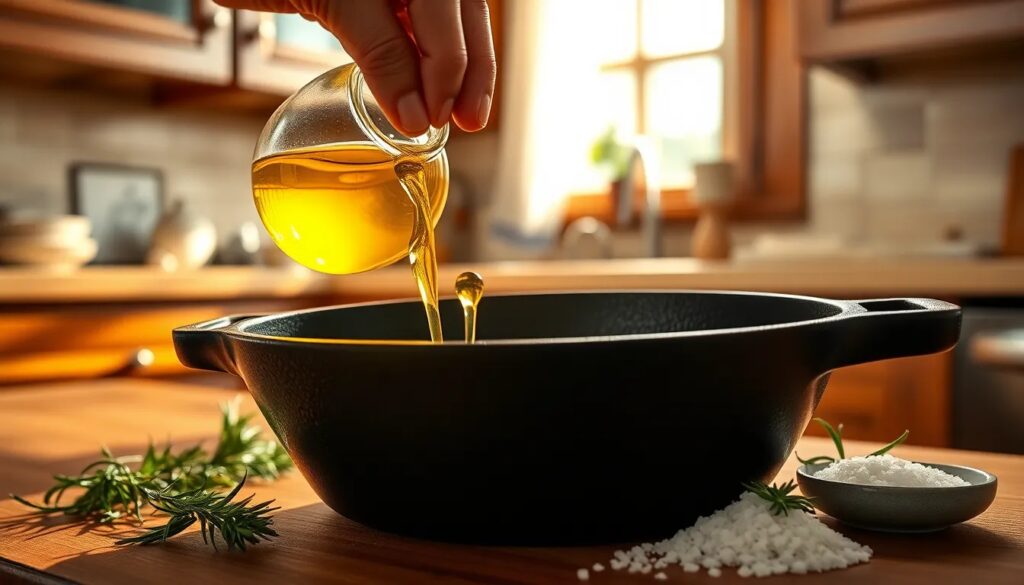
To achieve a perfectly seasoned cast iron pan, understanding the right approach and techniques is essential. The seasoning process not only enhances the cooking experience but also ensures that your cookware lasts for generations. In this article, we will explore the best methods, oils, and tips for maintaining your cast iron skillet.
Table of Contents
- How to choose the best oil to season cast iron?
- What is the process for seasoning a new cast iron pan?
- How often should you season a cast iron skillet?
- What are the foods to avoid when using cast iron cookware?
- What are the benefits of cooking with a well-seasoned cast iron skillet?
- How to clean a seasoned cast iron pan effectively?
- What oil to use on cast iron after cleaning?
- Frequently asked questions about seasoning cast iron
- Related questions about using cast iron cookware
How to choose the best oil to season cast iron?
Choosing the best oil to season cast iron is a critical step in achieving that nonstick surface everyone desires. Oils with a high smoke point are recommended because they can withstand the heat required for proper seasoning.
- Flaxseed oil: Known for creating a durable finish.
- Vegetable oil: An affordable option that's widely available.
- Canola oil: A good alternative that provides a consistent seasoning layer.
- Coconut oil: While it adds a pleasant flavor, it may not create the most durable layer.
When selecting an oil, consider your cooking habits and the type of flavor you desire. It's essential to apply a thin layer of oil to avoid a sticky residue.
What is the process for seasoning a new cast iron pan?
The seasoning process for a new cast iron pan involves several straightforward steps. First, it's vital to clean the pan thoroughly to remove any factory residue. This can be done using warm, soapy water and a stiff brush.
Next, dry the pan completely. Moisture can lead to rust, which is why ensuring the pan is dry is crucial. Once dry, apply a thin layer of oil, such as flaxseed oil or vegetable oil, all over the surface of the pan.
Then, place the pan upside down in an oven preheated to around 450°F. Bake for 30 minutes, allowing the oil to polymerize and create a hard, protective layer. Repeat this process several times for optimal results.
How often should you season a cast iron skillet?
The frequency of seasoning your cast iron skillet depends on usage and maintenance. Generally, it's advisable to season your skillet every few months, but this can vary.
If you notice that food is starting to stick or if the skillet looks dull, it may be time to re-season. Regular cooking with fats helps maintain the seasoning, but it's good to establish a routine.
Consider seasoning after deep frying or cooking acidic foods, as these can strip away some of the seasoning layer. Always monitor the condition of your pan to determine the best timing for re-seasoning.
What are the foods to avoid when using cast iron cookware?
Using cast iron cookware requires some consideration regarding the types of food you prepare. Certain foods can negatively impact the seasoning layer.
- Acidic foods: Tomatoes and citrus can break down the seasoning.
- Delicate proteins: Foods like eggs may stick if the skillet isn't well-seasoned.
- Sticky sauces: These can lead to residue buildup and damage the nonstick surface.
While cast iron is versatile, being mindful of these foods can help preserve your cookware's seasoning and overall effectiveness.
What are the benefits of cooking with a well-seasoned cast iron skillet?
Cooking with a well-seasoned cast iron skillet offers numerous advantages. One of the most notable benefits is its nonstick surface, which improves with each use.
Additionally, cast iron provides excellent heat retention, making it ideal for frying and baking. This means your food cooks evenly and retains moisture, enhancing flavor.
Moreover, using cast iron can contribute to your dietary iron intake. When cooking acidic or moist foods, trace amounts of iron can leach into the food. This is particularly beneficial for those who need an iron boost in their diet.
How to clean a seasoned cast iron pan effectively?
Cleaning your seasoned cast iron pan is essential to maintaining its longevity. Start by rinsing the pan with hot water and using a stiff brush to remove any food particles. Avoid using soap, as it can strip the seasoning.
For stubborn residues, a paste of coarse salt and water can be effective. Gently scrub the surface, then rinse thoroughly. After cleaning, dry the pan completely over low heat to ensure all moisture evaporates.
Once dry, apply a light coating of oil to maintain the seasoning. This simple cleaning routine will keep your cast iron in top condition.
What oil to use on cast iron after cleaning?
After cleaning your cast iron, it's vital to apply the right oil to maintain its seasoning. The oil to season cast iron should be one with a high smoke point, such as:
- Canola oil
- Vegetable oil
- Sunflower oil
- Flaxseed oil
These oils not only help in preserving the seasoning but also protect against rust. Always apply a thin layer to avoid a sticky residue.
Frequently asked questions about seasoning cast iron
What is the best oil to use for seasoning cast iron?
The best oil to use for seasoning cast iron varies based on personal preference, but generally, oils with high smoke points are preferred. Flaxseed oil is often recommended due to its ability to create a hard, protective layer. Vegetable and canola oils are also popular choices because they are affordable and effective.
Using a variety of oils can yield different flavors and finishes, so it could be beneficial to experiment until you find the perfect one that suits your cooking style.
Should I season cast iron at 350 or 450?
Seasoning cast iron is best done at a higher temperature, which is why 450°F is often recommended. This temperature allows the oil to polymerize effectively, creating a durable coating. Seasoning at 350°F might not yield the same results, leading to a less robust seasoning layer. Always ensure that the pan is clean and dry before you begin the seasoning process.
Is it okay to use olive oil to season a cast iron skillet?
While some people use olive oil for seasoning, it may not be the best option due to its relatively low smoke point. Olive oil can break down at high temperatures, potentially leading to a sticky residue rather than the desired nonstick surface. If you choose to use olive oil, consider the type (extra virgin is best) and be prepared to re-season more frequently.
Do you add oil to cast iron when hot or cold?
It's best to add oil to the cast iron pan when it is warm, but not scorching hot. This allows the oil to spread evenly across the surface without smoking excessively. Applying oil to a cool pan ensures that you can cover the entire surface effectively. Warm oil will also help the seasoning process as it polymerizes better at moderate temperatures.
By following these guidelines and tips, you can successfully season your cast iron pan and enjoy the benefits of this versatile cookware in your kitchen.
If you want to know other articles similar to Best oil to season cast iron cookware you can visit the category Seasoning & Marinades.

More embers