

Boston butt pork shoulder recipe for perfect pulled pork
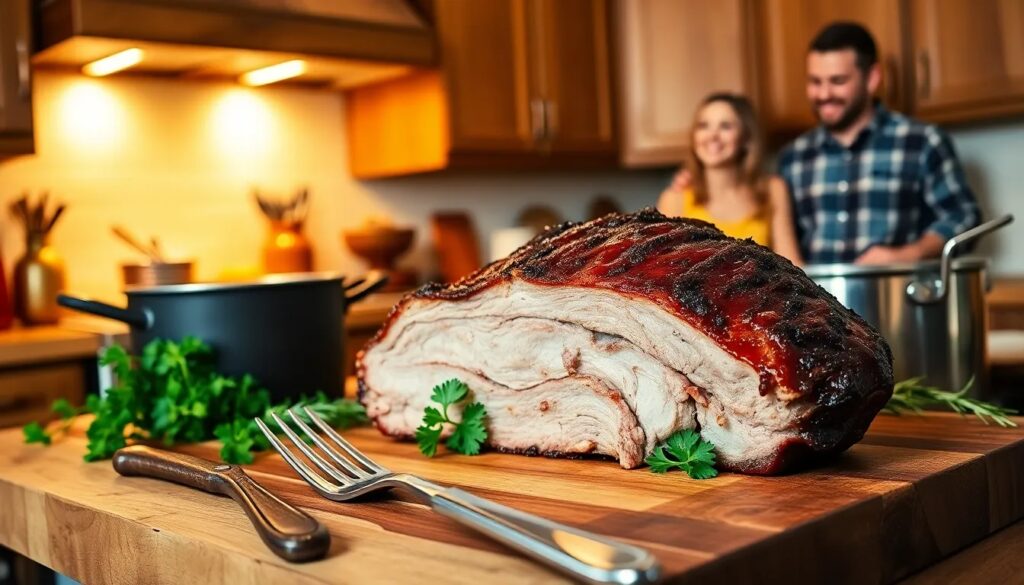
The Boston butt pork shoulder is a favored cut of meat, renowned for its tenderness and flavor. With the right cooking techniques, you'll achieve that perfect dish that melts in your mouth. In this article, we’ll explore various methods to prepare this delectable meat, ensuring a memorable dining experience.
Table of Contents
- How to cook a pork Boston butt?
- What is the best cooking method for pork shoulder?
- How long to cook pork butt in the oven?
- How to cook a pork shoulder in the oven?
- What should I serve with Boston butt pork roast?
- What makes a Boston butt pork roast such a good cut of meat?
- Exploring cooking techniques for Boston butt
- Related questions about cooking pork shoulder
- Common inquiries regarding Boston butt pork shoulder recipes
How to cook a pork Boston butt?
Cooking a Boston butt can be simple, yet the results are spectacular. Preparation is key, starting with seasoning the meat. A spice rub can elevate the flavor profile significantly, combining spices like paprika, garlic powder, and brown sugar for a delicious crust.
Once seasoned, consider your cooking method. Slow cooking is ideal for achieving fork-tender meat. You can either use a slow cooker or roast it in the oven at low temperatures to allow the collagen to break down.
Make sure to monitor the internal temperature with a meat thermometer. Aim for at least 195°F (90°C) for pulled pork perfection. Allow the pork to rest after cooking to let the juices redistribute, enhancing the flavor and moisture.
What is the best cooking method for pork shoulder?
There are several effective methods for cooking pork shoulder, but slow cooking is often regarded as the best for achieving tenderness. This method allows for the meat to cook evenly at a low temperature, resulting in juicy and flavorful pork.
- Slow cooking: Ideal for pulled pork, as it breaks down tough fibers.
- Oven roasting: Perfect for a crispy exterior while keeping the inside moist.
- Smoking: Infuses the meat with a rich smoky flavor.
- Pressure cooking: A quicker method that still yields tender results.
Using a combination of techniques, such as starting with high heat and finishing low, can also be beneficial. Experiment with marinades and spice rubs to find your perfect flavor combination.
How long to cook pork butt in the oven?
Cooking time for pork butt in the oven can vary based on the size of the cut. As a general rule, you should plan for about 60 minutes per pound at 250°F (121°C). However, factors like the oven's accuracy and the meat's initial temperature can affect this.
For instance, a 4-pound pork butt may take around 4 to 5 hours to cook thoroughly. It's essential to check for doneness. The meat should easily pull apart when forked.
Additionally, consider using the 3:2:1 method if you're smoking the pork. This involves three hours of smoking, followed by two hours of wrapping in foil, and finally one hour unwrapped for bark formation.
How to cook a pork shoulder in the oven?
Cooking a pork shoulder in the oven is straightforward yet rewarding. Begin by preheating the oven to 250°F (121°C). Prepare the meat by applying a spice rub or marinade of your choice, ensuring it's well coated.
Place the pork shoulder in a roasting pan, fat side up, to enhance moisture during cooking. Cover it with foil for the initial cooking phase to keep it from drying out. After several hours, uncover the meat to allow the surface to crisp up.
Check the internal temperature frequently after several hours, aiming for 195°F (90°C) for optimal tenderness. Resting the meat is crucial post-cooking, allowing the juices to settle.
What should I serve with Boston butt pork roast?
Pairing side dishes with Boston butt pork roast can enhance the overall meal experience. Consider these complementary sides:
- Coleslaw: A refreshing crunch that balances the pork's richness.
- Macaroni and cheese: Creamy and cheesy, a comforting classic.
- Roasted vegetables: Seasonal veggies add color and nutrition.
- Cornbread: A sweet, fluffy addition that pairs well with savory flavors.
- Potato salad: Perfect for gatherings, offering a cool, tangy contrast.
Don’t forget sauces! A tangy barbecue sauce can elevate your pulled pork sandwiches, while a vinegar-based sauce adds a nice zing.
What makes a Boston butt pork roast such a good cut of meat?
The Boston butt is lauded for its marbling, which means it has intramuscular fat that renders during cooking. This results in a juicy and flavorful dish that’s hard to resist. The cut is also versatile, fitting well in various recipes from pulled pork to hearty stews.
Another advantage is its affordability compared to other cuts. This makes it a great option for family gatherings or special occasions without breaking the bank.
Furthermore, the Boston butt is forgiving when it comes to cooking times, which is ideal for novice cooks. With low and slow cooking, even a less-than-perfect approach can yield excellent results.
Exploring cooking techniques for Boston butt
When preparing a Boston butt, consider the various cooking techniques that can yield delicious results. Here are some techniques to explore:
- Slow cooking: Ideal for achieving that fall-apart texture, especially in a slow cooker.
- Roasting: Provides a crispy exterior while keeping the inside moist and tender.
- Smoking: Infuses the meat with unique flavors that enhance its natural taste.
- Pressure cooking: A quicker option that still delivers tender results.
Each method has its unique strengths, so feel free to experiment and find what works best for your taste preferences.
Common inquiries regarding Boston butt pork shoulder recipes
Which is the best cooking method for a pork shoulder?
The best cooking method for pork shoulder is often slow cooking. This technique allows the meat to break down and become tender over time. Oven roasting is also an excellent option, providing a crispy outer layer while keeping the inside moist and flavorful.
Regardless of the method chosen, ensuring the meat reaches a high enough internal temperature is crucial for tenderness.
What is the 3:2:1 method for pork shoulder?
The 3:2:1 method is a popular smoking technique for pork shoulder, especially when aiming for pulled pork. It involves three phases:
- Smoke the pork for 3 hours unwrapped.
- Wrap the pork in foil and cook for 2 hours.
- Unwrap and cook for an additional 1 hour to develop a bark.
This method ensures that the meat retains moisture while also forming a delicious crust, making it perfect for pulled pork sandwiches.
Should I cook pork shoulder at 225 or 250?
Whether to cook pork shoulder at 225°F (107°C) or 250°F (121°C) depends on your available time and desired results. Cooking at 225°F allows for a longer cooking process, which can enhance tenderness. However, 250°F can also yield great results in a shorter time frame.
Both temperatures can work, but keeping the cooking consistent allows for better flavor development and moisture retention.
Does pork shoulder get more tender the longer you cook it?
Yes, pork shoulder generally becomes more tender the longer it cooks. The key is to cook it low and slow, as this allows the collagen in the meat to break down effectively. Cooking it beyond the recommended time may lead to a dry texture, so be sure to monitor the internal temperature closely.
Ultimately, achieving the perfect Boston butt pork shoulder recipe takes time, preparation, and a bit of patience. Following these techniques will help you create a delicious meal that everyone will enjoy!
If you want to know other articles similar to Boston butt pork shoulder recipe for perfect pulled pork you can visit the category Pork Marinades.

More embers