
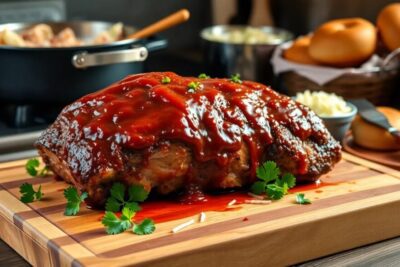
Pork temperature: what you need to know
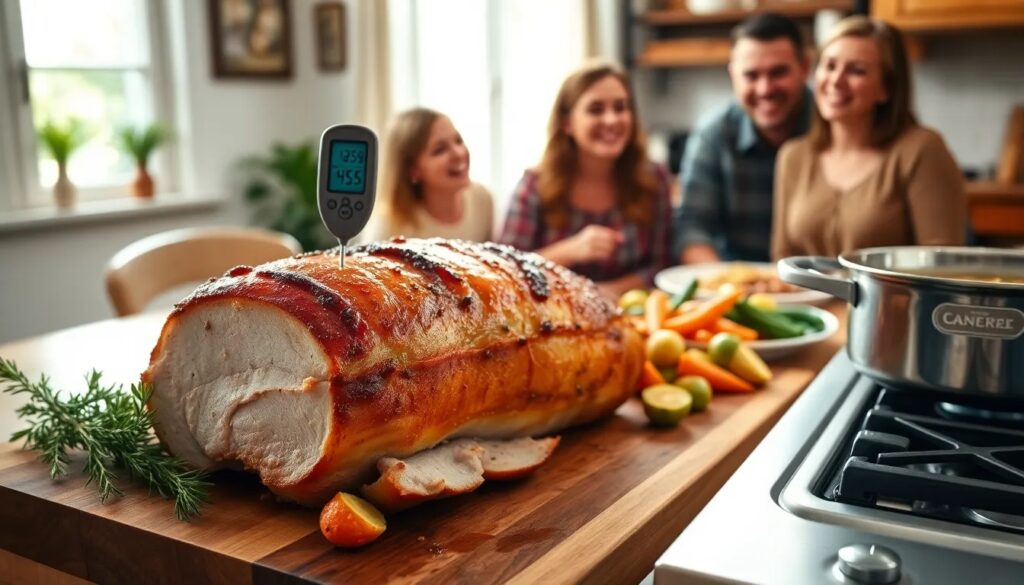
Cooking pork safely is essential for ensuring flavor and eliminating foodborne pathogens. Reaching the correct pork temperature is key to achieving tender, juicy meat while maintaining safety standards. In this guide, we explore everything you need to know about cooking pork to perfection.
Understanding the ideal internal temperature for pork ensures that you can enjoy a delicious meal while keeping health risks at bay. Let's delve into the best practices and temperature guidelines for various cuts of pork.
Table of Contents
- What is the best internal temperature for pork?
- How to use a meat thermometer for pork cooking
- What are the recommended cooking temperatures for different cuts of pork?
- How does pork cooking temperature vary between cuts?
- Is there a difference in pork temperature for ground pork?
- What temperature should pork be cooked to in Celsius?
- How to achieve juicier pork at a lower temperature?
- Questions related to pork cooking temperatures
What is the best internal temperature for pork?
The USDA recommends cooking pork to an internal temperature of 145°F (63°C). This temperature is critical for eliminating harmful bacteria while preserving the meat's juiciness. After reaching this temperature, it's vital to let the pork rest for at least three minutes to allow the juices to redistribute, enhancing both flavor and safety.
Different cuts of pork may require specific attention to their cooking temperatures. For instance, lean cuts such as pork chops and tenderloin thrive at 145°F, while fattier cuts may benefit from higher temperatures. It's crucial to use a meat thermometer to confirm that your pork reaches this safe temperature.
Cooking pork beyond the recommended temperature can lead to dryness. Therefore, monitoring the pork temperature closely is essential for achieving optimal results. This way, you ensure not only that you are cooking the meat safely but also that you are enhancing its taste and texture.
How to use a meat thermometer for pork cooking
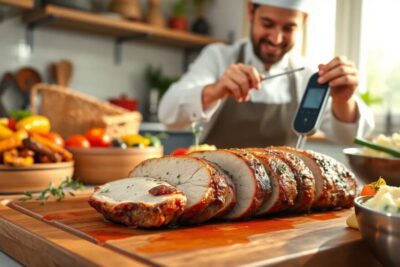
Using a meat thermometer accurately is key to ensuring your pork reaches the right temperature. Here’s a simple guide:
- Insert the thermometer into the thickest part of the meat, avoiding bones.
- Check the reading after a few seconds; it should reach 145°F for optimal safety.
- For ground pork, ensure it hits 160°F to eliminate any pathogens.
When using a meat thermometer, it’s important to remember that not all thermometers are created equal. Digital thermometers often provide quicker and more accurate readings, making them a preferred choice for many cooks. Invest in a good quality thermometer for reliable results.
A common mistake is to check the temperature too early. Always wait until the pork is almost finished cooking before taking a reading to avoid temperature fluctuations. This ensures accurate measurements and helps you achieve that perfect pork temperature.
What are the recommended cooking temperatures for different cuts of pork?
Each cut of pork comes with its own unique cooking temperature requirements. Here are some recommendations:
- Pork Chops: 145°F (63°C)
- Pork Tenderloin: 145°F (63°C)
- Pork Shoulder: 190°F (88°C) for tenderness
- Pork Ribs: 185°F (85°C) for optimal flavor
- Ground Pork: 160°F (71°C)
Each of these cuts requires careful attention to detail. For example, while pork chops and tenderloin are best at 145°F, cuts like shoulder and ribs benefit from longer cooking at higher temperatures. This is critical for breaking down the connective tissues, yielding a more tender result.
Cooking pork to the right temperature not only ensures safety but also optimizes flavor. The recommended cooking temperatures vary significantly between cuts, emphasizing the need for a good meat thermometer and understanding of your meat selection.
How does pork cooking temperature vary between cuts?
The cooking temperature for pork varies significantly between cuts due to the differences in fat content and muscle structure. Lean cuts such as loin and tenderloin should be cooked to 145°F, while fattier cuts like pork shoulder and ribs can be cooked to higher temperatures, sometimes up to 190°F or more.
Lean cuts cook through quickly, so they can dry out if overcooked. Conversely, fattier cuts, which contain more connective tissue, require slower cooking at higher temperatures to achieve tenderness. It is crucial to choose the right cooking method and temperature based on the cut of pork you are preparing.
Understanding these differences is essential for any cook aiming to produce a flavorful and safe pork dish. Always adjust your cooking techniques according to the cut to ensure the best results.
Is there a difference in pork temperature for ground pork?
Yes, ground pork requires a higher cooking temperature than whole cuts. The USDA recommends that ground pork reach an internal temperature of 160°F (71°C) to ensure safety. This is primarily due to the way ground meat is processed, which increases the risk of bacterial contamination.
Because ground pork is made from various parts of the pig, it’s essential to cook it thoroughly. The higher temperature helps eliminate pathogens that may be present in different parts of the meat. Always remember to use a meat thermometer when cooking ground pork to guarantee it reaches the necessary temperature.
Cooking ground pork to the correct temperature not only ensures safety but also enhances flavor. Properly cooked ground pork adds a delicious element to dishes like meatballs or burgers, making it a versatile choice in many recipes.
What temperature should pork be cooked to in Celsius?
For those who prefer using Celsius, the recommended temperature for cooking pork is 63°C (145°F). Ground pork must be cooked to 71°C (160°F) for safety. Keeping these temperatures in mind will help you prepare pork dishes that are both safe and delicious.
It’s also important to allow the pork to rest after cooking. This helps the juices redistribute and results in more flavorful and tender meat. So, whether you’re using Fahrenheit or Celsius, adhering to these temperatures will yield the best results.
Additionally, it’s useful to create a conversion chart or reference guide for cooking temperatures in both Fahrenheit and Celsius, especially if you often switch between measurement systems.
How to achieve juicier pork at a lower temperature?
Cooking pork at lower temperatures can lead to juicier results if done correctly. One of the best methods is slow cooking. By cooking pork at lower temperatures for extended periods, you allow the fat and collagen to break down, resulting in tender and juicy meat.
Another method is sous vide cooking. This technique involves sealing the pork in a vacuum bag and cooking it in water at a precise temperature—often around 60°C (140°F)—for several hours. This ensures that the meat is cooked evenly and retains moisture.
Incorporating marinades or brines can also enhance moisture in the meat. A simple brine solution of water, salt, and sugar can work wonders in keeping pork juicy. Always remember that resting the meat after cooking is key to achieving optimal juiciness.
Is pork done at 145 or 160?
Pork is considered safe to eat when it reaches an internal temperature of 145°F (63°C), followed by a three-minute rest. However, ground pork must reach 160°F (71°C) to ensure all harmful bacteria are eliminated.
Can pork be eaten at 150 degrees?
Yes, pork can be safely consumed at 150°F (66°C), but it’s important to let it rest for three minutes after cooking. This allows the meat to retain its juices and flavors while ensuring safety.
Is pork safe at 135?
Pork cooked to 135°F (57°C) is not recommended, as it may not eliminate harmful bacteria effectively. It is crucial to follow USDA guidelines to reduce the risk of foodborne illness.
Is 165 too high for pork?
Cooking pork to 165°F (74°C) is not harmful, but it may result in drier meat, especially for lean cuts. It's best to stick to the recommended temperatures for optimal flavor and tenderness.
If you want to know other articles similar to Pork temperature: what you need to know you can visit the category Pork Marinades.
More embers