

Berkshire pork: everything you need to know
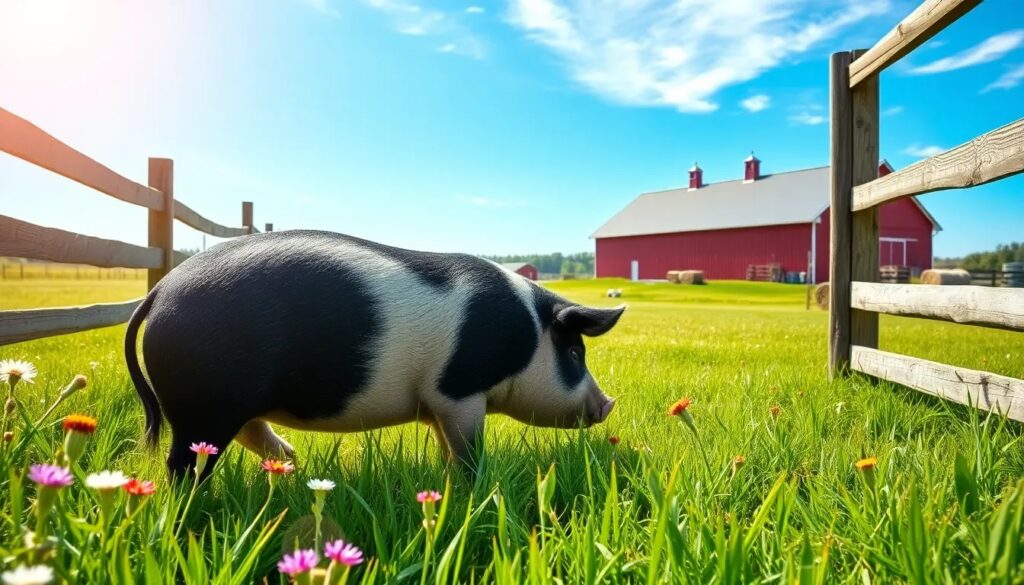
Berkshire pork has gained a reputation as one of the finest meats available today. Known for its rich flavor and tenderness, this pork comes from a heritage breed that has been cherished for centuries. In this article, we will explore everything you need to know about Berkshire pork, including its history, unique qualities, and why it commands a premium price.
Table of Contents
- What is Berkshire pork?
- What is the history of Berkshire pork?
- What makes Berkshire pork special?
- What is the difference between Berkshire pork and regular pork?
- Where can you buy Berkshire pork?
- Is Berkshire pork healthy?
- Why is Berkshire pork so expensive?
- What is Kurobuta pork?
- Related questions about Berkshire pork
What is Berkshire pork?
Berkshire pork originates from a specific breed of pig known for its marbled meat and superior flavor. This breed has a remarkable history, tracing back over 300 years to England. Berkshire pigs are recognized for their black skin with white markings and are considered a heritage breed, meaning they have retained their traditional characteristics over generations.
Unlike regular pork, Berkshire pork is known for its juiciness and tenderness, making it a favorite among chefs and food enthusiasts. The meat is often compared to wagyu beef due to its high intramuscular fat content, which contributes to its rich taste and melt-in-your-mouth texture.
In the United States, this breed was introduced in the 1800s, leading to the establishment of the American Berkshire Association in 1875, which plays a crucial role in preserving the breed's quality and heritage.
What is the history of Berkshire pork?
The history of Berkshire pork is intertwined with the heritage of its breed. Originating in the Berkshire region of England, these pigs have been raised for their exceptional meat for centuries. Their introduction to the U.S. in the 19th century set the stage for Berkshire pork to become a sought-after delicacy.
In the early years, the breed faced challenges due to crossbreeding and the rise of commercial breeds that prioritized quantity over quality. However, dedicated farmers and organizations like the American Berkshire Association worked tirelessly to protect the breed's integrity. Today, Berkshire pork is celebrated for its rich flavor, with many farmers focusing on humane practices and pasture-raised pigs.
The breed's unique characteristics, such as its *intramuscular fat* and flavor profile, have made it a staple in gourmet markets and fine dining establishments.
What makes Berkshire pork special?
Berkshire pork stands out from regular pork due to several key factors:
- Flavor: The meat has a rich, sweet flavor that is often described as superior to other pork varieties.
- Marbling: High levels of intramuscular fat create a juicy, tender texture that is highly sought after.
- Nutritional benefits: Berkshire pork tends to have a healthier fat profile, with a higher proportion of monounsaturated fats.
- Ethical farming practices: Many Berkshire pork producers emphasize humane treatment and pasture-raising methods, enhancing the overall quality of the meat.
This unique combination of factors makes Berkshire pork a favorite among top chefs and food lovers alike. The meat's distinct taste and texture have contributed to its growing popularity in the culinary world.
What is the difference between Berkshire pork and regular pork?
Berkshire pork is often compared to regular pork because of its distinctive qualities. Here are some differences that set it apart:
1. Flavor Profile: Berkshire pork boasts a richer flavor that many find superior to conventional pork. The unique taste comes from its genetic makeup and the way the pigs are raised.
2. Marbling and Texture: The marbling in Berkshire pork is more pronounced, leading to a juicier and more tender eating experience compared to regular pork. The intramuscular fat enhances the flavor and tenderness significantly.
3. Farming Practices: Berkshire pigs are frequently raised using traditional methods, with an emphasis on humanely treating the animals and providing them with a pasture-based diet. In contrast, many commercial pigs are raised in more intensive farming conditions.
These differences not only affect the flavor but also the overall culinary experience, making Berkshire pork a premium choice for discerning palates.
Where can you buy Berkshire pork?
Berkshire pork can be found in several places, making it accessible to those who appreciate high-quality meat:
- Gourmet markets: Many specialty grocery stores and gourmet markets stock Berkshire pork due to its popularity among chefs and home cooks.
- Online retailers: Various online meat suppliers offer Berkshire pork, allowing consumers to order directly to their homes.
- Local farms: Some local farmers markets may feature Berkshire pork from family-owned farms committed to sustainable practices.
When purchasing Berkshire pork, it's essential to look for labels indicating humane and ethical farming practices, ensuring you're supporting responsible sources.
Is Berkshire pork healthy?
Berkshire pork can be part of a healthy diet when consumed in moderation. Its unique fat composition is one of the main reasons it is considered healthier than regular pork. Here are some aspects to consider:
- Nutritional Value: Berkshire pork contains higher levels of omega-3 fatty acids compared to conventional pork, which is beneficial for heart health.
- Lean Cuts: Many cuts of Berkshire pork can be lean, providing a great source of protein without excessive saturated fats.
- No Hormones or Antibiotics: Most reputable Berkshire pork producers do not use hormones or antibiotics in their farming practices, making it a cleaner choice for consumers.
In summary, while like any meat, it should be eaten in moderation, Berkshire pork can offer health benefits, particularly when sourced from ethical producers.
Why is Berkshire pork so expensive?
The price of Berkshire pork can be higher than that of regular pork for several reasons:
1. Rarity and Breeding Costs: As a heritage breed, Berkshire pigs are less common than commercial breeds, and their breeding is often more costly due to selective breeding practices aimed at maintaining quality.
2. Sustainable Farming Practices: Many Berkshire pork producers emphasize humane and sustainable farming methods, which typically result in higher costs.
3. Quality Over Quantity: The focus on flavor, marbling, and quality means that the production is often smaller-scale and more labor-intensive than mass-produced pork.
This combination of factors contributes to the premium pricing, making Berkshire pork a luxury item for many consumers who appreciate its exceptional attributes.
What is Kurobuta pork?
Kurobuta pork is a term often associated with Berkshire pork, particularly in Japan. Here are some key points about Kurobuta:
- Heritage Connection: Kurobuta translates to "black pig" in Japanese and refers to Berkshire pigs that are raised in traditional ways, often on a diet that includes natural grains and vegetables.
- Flavor and Texture: Just like its American counterpart, Kurobuta pork is renowned for its rich flavor and tenderness, making it a highly prized meat in culinary circles.
- Culinary Uses: In Japan, Kurobuta pork is often featured in high-end dishes and is celebrated for its premium quality, similar to how Berkshire pork is regarded in the U.S.
The relationship between Kurobuta and Berkshire pork highlights the global appreciation for this exceptional breed and its culinary potential.
What is so special about Berkshire pork?
Berkshire pork is considered special due to its distinctive flavor and texture. The breed is known for its high intramuscular fat content, which results in a tender and juicy meat. Additionally, its rich taste sets it apart from regular pork, making it a favorite among chefs and food enthusiasts alike.
Furthermore, Berkshire pork is often raised in humane and ethical farming conditions, contributing to its overall quality. These factors combined create a unique dining experience that is hard to replicate with other types of pork.
What is Berkshire pork?
Berkshire pork refers to meat obtained from Berkshire pigs, a heritage breed originally from England. Known for their black skin and white markings, these pigs are celebrated for their high-quality meat, which is tender, flavorful, and heavily marbled with fat. This breed has a rich history and is recognized for its culinary excellence.
The popularity of Berkshire pork has grown significantly, particularly among gourmet chefs, due to its unique qualities and the humane practices associated with its farming.
Why is Berkshire pork so expensive?
The cost of Berkshire pork is influenced by several factors, including the breed's rarity and the sustainable farming practices associated with its production. The focus on quality over quantity means that Berkshire pork is often raised on smaller farms with more attention to animal welfare.
Additionally, the cost of breeding and maintaining a heritage breed like Berkshire is higher than that of conventional pork. All these elements contribute to the premium price tag associated with this exceptional meat.
Are Berkshire pigs good eating?
Yes, Berkshire pigs are known for their exceptional meat quality, making them a fantastic choice for eating. The high levels of marbling result in tender and juicy cuts that are rich in flavor. This breed is often sought after in fine dining restaurants and gourmet markets, showcasing its desirability as a culinary ingredient.
Whether grilled, roasted, or braised, Berkshire pork delivers a delicious experience that is highly regarded among meat lovers.
If you want to know other articles similar to Berkshire pork: everything you need to know you can visit the category Pork Marinades.


More embers