

Chicken breast temp: what's the ideal cooking temperature?
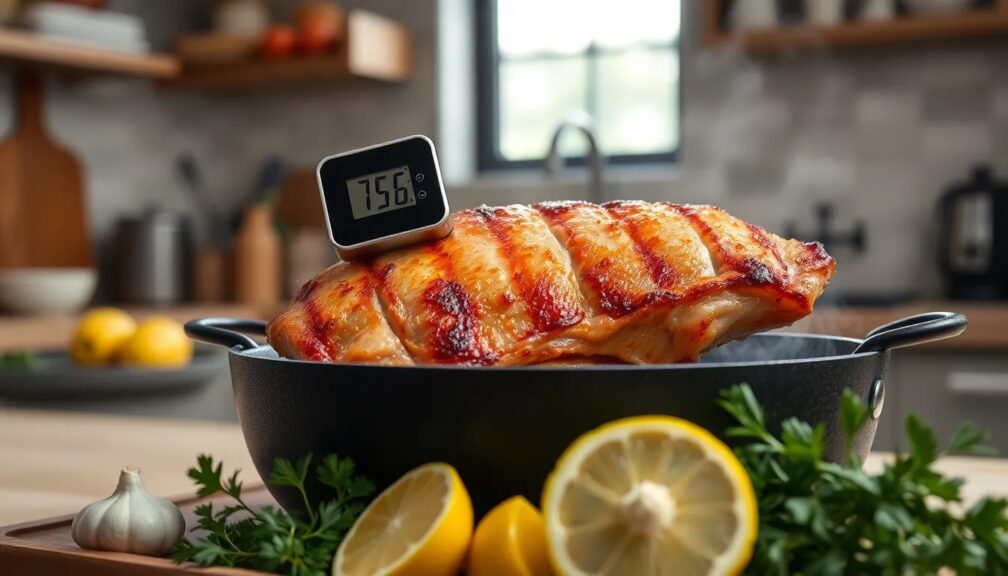
Cooking chicken properly is essential to ensure safety and flavor. One of the most critical aspects of chicken preparation is achieving the right internal temperature. Understanding the chicken breast temp will help you serve juicy and delicious meals.
In this guide, we will explore the ideal cooking temperatures for chicken, focusing on how to achieve perfect doneness every time. Whether you are grilling, baking, or using sous vide techniques, knowing the right chicken breast cooking temperature for juicy results is key.
Table of Contents
- Here are the temperatures you should know to make juicy chicken every time
- How long should you bake a chicken?
- What temperature should chicken be cooked to in the oven?
- How to tell if chicken breasts are cooked properly?
- What are the best techniques for cooking chicken breasts?
- How to use a meat thermometer for chicken?
- What are the benefits of sous vide for chicken cooking?
- Questions related to chicken breast cooking temperatures
Here are the temperatures you should know to make juicy chicken every time
The USDA recommends that chicken should reach an internal temperature of at least 165°F (75°C) to be considered safe for consumption. However, you can achieve optimal results by understanding how different cooking methods affect the final temperature.
When cooking chicken breasts, it’s important to consider carryover cooking. This is the temperature rise that occurs after the chicken is removed from the heat source. For example, if you pull the chicken out at 160°F (71°C), it may reach the safe temperature of 165°F (75°C) while resting.
- For grilling, aim for an internal temperature of 165°F (75°C) for safety.
- When baking, a temperature of 375°F (190°C) is ideal.
- For sous vide, you can safely cook chicken breasts at lower temperatures, around 140°F (60°C), if held for longer periods.
How long should you bake a chicken?
The baking time for chicken depends on the size of the bird and the cooking temperature. For a whole chicken roasted at 375°F (190°C), the general rule is to bake it for about 20 minutes per pound.
Chicken breasts typically require less time. For boneless, skinless chicken breasts, bake for approximately 25 to 30 minutes to reach the ideal temperature. Remember that using a meat thermometer is the most reliable way to check doneness.
If you're using bone-in chicken, increase the cooking time by about 10 to 15 minutes per pound depending on the size. Always ensure that the thickest part of the meat reaches the safe minimum temperature.
What temperature should chicken be cooked to in the oven?
The oven temperature can greatly affect how evenly your chicken cooks. For optimal results, set your oven to 350°F (175°C) or higher. Cooking chicken at this temperature usually allows the meat to cook through without drying out.
For the best flavor and texture, chicken thighs can be cooked at 375°F (190°C), while breasts should be cooked at the same temperature or slightly lower. Using a meat thermometer ensures that you don’t overcook your chicken, which can lead to dry meat.
- Preheat your oven to the desired temperature.
- Season the chicken as desired.
- Cook until the internal temperature reaches 165°F (75°C).
How to tell if chicken breasts are cooked properly?
To determine if chicken breasts are cooked properly, the most reliable method is to use an instant-read thermometer. Insert the thermometer into the thickest part of the breast; it should read at least 165°F (75°C).
Another method is the wiggle test: if the juices run clear and the meat feels firm yet springy, it’s likely done. If you notice any pink juices or a very soft texture, the chicken may need additional cooking.
Finally, let the chicken rest for about 5 to 10 minutes after cooking. This helps redistribute the juices and can improve the overall flavor and texture of your chicken.
What are the best techniques for cooking chicken breasts?
Cooking chicken breasts can be achieved through various methods, each providing unique flavors and textures. Some popular techniques include:
- Sautéing: A quick method that seals in moisture while achieving a delicious crust.
- Grilling: Provides a smoky flavor; ensure to marinate for tenderness.
- Poaching: Cooks gently in water or broth, resulting in juicy and tender meat.
- Baking: Ideal for hands-off cooking; use a meat thermometer for best results.
Each of these techniques has its advantages, but what matters most is monitoring the internal temperature to ensure safe and delicious chicken. Experiment with spices and marinades to enhance flavors during the cooking process.
How to use a meat thermometer for chicken?
Using a meat thermometer is crucial for cooking chicken to the right temperature. Here’s how to do it effectively:
- Choose the right thermometer—an instant-read thermometer is recommended for quick checks.
- Insert the probe into the thickest part of the chicken breast, avoiding bones.
- Wait for the thermometer reading to stabilize, indicating the internal temperature.
It’s essential to calibrate your thermometer regularly to ensure accurate readings. Adjust your cooking time based on the temperature reading, and always check multiple pieces of chicken if cooking a large batch.
What are the benefits of sous vide for chicken cooking?
Sous vide is a cooking method that involves sealing food in a vacuum bag and immersing it in a water bath at a precise temperature. This technique provides several advantages for chicken:
- Consistency: Sous vide cooking allows for even cooking, minimizing the risk of overcooking.
- Juiciness: The low and slow method ensures that chicken breasts retain their moisture.
- Flavor infusion: Cooking in a sealed bag allows for enhanced flavors from marinades.
This method is particularly beneficial for those who want to achieve the perfect chicken breast temp without the worry of drying out the meat.
Can I eat chicken breast at 145?
Cooking chicken breast to an internal temperature of 145°F (63°C) is considered safe if held for at least 9 minutes. This method allows the meat to reach a safe temperature while maintaining its juiciness. However, for maximum safety, the USDA recommends cooking it to at least 165°F (75°C).
Is chicken breast 150 or 165?
While cooking chicken breast to 150°F (65°C) is possible, it is crucial to hold that temperature for a specific time to ensure safety. The general recommendation for chicken, however, remains 165°F (75°C) for immediate consumption. This ensures that harmful bacteria are effectively killed.
Is it better to bake chicken at 350 or 400?
Baking chicken at 400°F (200°C) generally results in a crispier skin and a shorter cooking time. However, 350°F (175°C) allows for more even cooking, making it a great option for larger cuts. The choice between these temperatures often depends on personal preference.
When to take out chicken so it gets up to 165?
To achieve the desired internal temperature of 165°F (75°C), it's advisable to remove the chicken from the heat source when it reaches about 160°F (71°C). The carryover cooking will continue to raise the temperature as it rests. Always let it rest for several minutes before slicing to lock in the juices.
For those looking to dive deeper into chicken cooking techniques, here’s a video that explains these methods in detail:
If you want to know other articles similar to Chicken breast temp: what's the ideal cooking temperature? you can visit the category Chicken Marinades.

More embers