
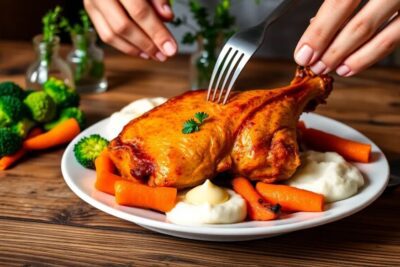
Chicken breast temperature: the key to juicy and safe cooking
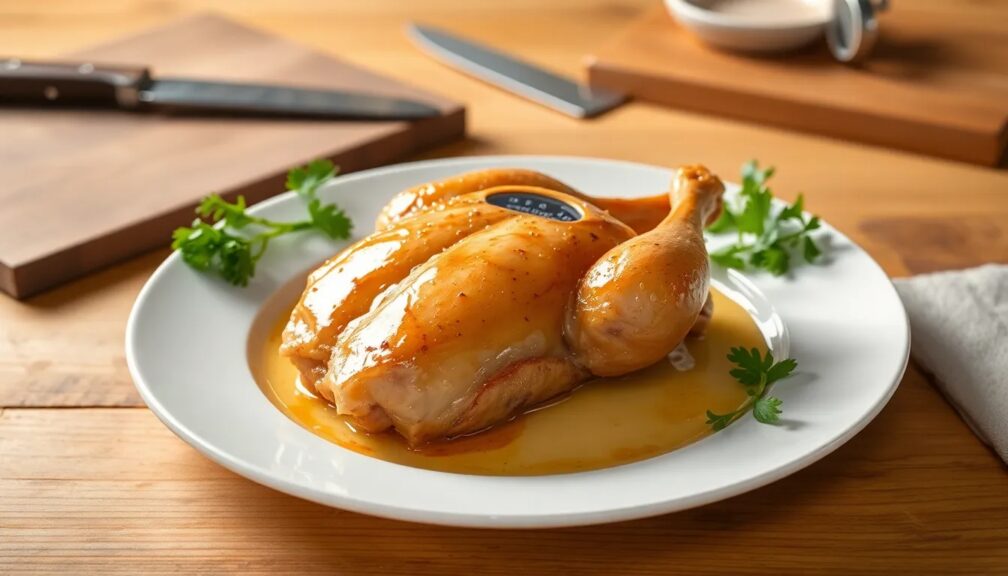
Cooking chicken breast to the right temperature is essential for both safety and flavor. Many home cooks often struggle with knowing when their chicken is perfectly cooked. Understanding the appropriate chicken breast temperature can help you achieve juicy and tender meat every time.
In this article, we will explore the optimal temperatures for cooking chicken breasts, safe cooking practices, and techniques to ensure your chicken remains moist and flavorful.
Table of Contents
- What temperature should chicken breast be cooked to?
- How to ensure juicy chicken breasts?
- What are the safe cooking temperatures for chicken?
- Why is resting important after cooking chicken?
- How long should you bake chicken breasts?
- What cooking methods are best for chicken breasts?
- Related questions about chicken breast cooking
What temperature should chicken breast be cooked to?
The USDA recommends an internal temperature of 165°F for all poultry products, including chicken breasts. However, for optimal juiciness, many chefs suggest removing chicken breasts from heat at around 162°F. This allows the residual heat to finish cooking the meat without drying it out.
To check the internal temperature accurately, insert a digital meat thermometer into the thickest part of the breast. The temperatures can vary slightly depending on the cooking method used, but keeping these guidelines in mind will help you achieve the best results.
- Remove chicken from heat at 162°F.
- Allow the chicken to rest for at least 5 minutes.
- Check with a meat thermometer for accuracy.
For dark meat, the target internal temperature is typically around 175°F to 180°F to ensure tenderness. By understanding these temperature guidelines, you can confidently prepare perfectly cooked chicken every time.
How to ensure juicy chicken breasts?
Maintaining juiciness in chicken breasts is crucial to avoid dryness. One of the best methods to achieve this is by using temperature control effectively. Here are a few tips to help you:
- Use a meat thermometer to monitor the internal temperature closely.
- Consider marinating the chicken beforehand to enhance moisture.
- Cook on medium heat to allow even cooking without burning the exterior.
Another important factor is the resting period after cooking. Allowing the chicken to rest for 5 to 10 minutes before cutting helps the juices redistribute throughout the meat, resulting in a more flavorful bite.
Additionally, techniques such as sous vide can be beneficial. This method involves cooking chicken in a vacuum-sealed bag in a water bath at a precise temperature to ensure even cooking. The result is chicken that is tender and full of flavor.
What are the safe cooking temperatures for chicken?
Safety is a significant concern when cooking chicken. The internal temperature guidelines provided by the USDA are designed to eliminate harmful bacteria effectively. Here are the safe cooking temperatures for different parts of chicken:
- Chicken breasts: 165°F
- Dark meat (thighs and legs): 175°F to 180°F
- Ground chicken: 165°F
Cooking chicken to these temperatures not only ensures safety but also maximizes flavor and texture. Always utilize a reliable meat thermometer to check the doneness of your chicken accurately.
It's also important to note that cooking times can vary based on the thickness of the chicken and the method used. For instance, thinner breasts will cook faster compared to thicker ones. Adjust your cooking times accordingly to attain those safe temperatures.
Why is resting important after cooking chicken?
Resting chicken after cooking is a crucial step often overlooked. When chicken is cooked, the juices inside are forced towards the center. If you cut into the meat immediately after cooking, those flavorful juices will spill out, leaving the chicken dry.
Allowing the chicken to rest for about 5 to 10 minutes lets the juices redistribute throughout the meat, resulting in a moist and flavorful dish. During this time, the internal temperature may rise slightly, ensuring thorough cooking.
In summary, never skip the resting stage. It's a simple yet effective way to enhance the overall quality of your dish. A little patience can yield a much juicier chicken breast that is significantly more enjoyable.
How long should you bake chicken breasts?
The baking time for chicken breasts will depend on their thickness and the oven temperature. Cooking chicken breasts at 400°F generally takes about 20 to 25 minutes. This temperature ensures a crispy exterior while keeping the inside juicy.
For best results, always use a meat thermometer to confirm that the chicken has reached the safe internal temperature of 165°F. If the chicken breasts are particularly thick, you may need to extend the baking time slightly. Conversely, thinner breasts will cook more quickly.
- 20-25 minutes for chicken breasts at 400°F.
- Adjust time based on thickness.
- Always check with a thermometer.
Another option is to bake at lower temperatures, such as 350°F, which may require longer cooking times—about 30 to 35 minutes. Regardless of the method chosen, monitoring the internal temperature is key to achieving perfect doneness.
What cooking methods are best for chicken breasts?
There are several effective cooking methods for chicken breasts, each with distinct benefits. Here are some popular techniques:
- Roasting: This method involves cooking the chicken in an oven, which creates a golden-brown exterior while keeping the inside juicy.
- Sautéing: Cooking chicken in a pan with a small amount of oil or butter allows for quick cooking and excellent flavor.
- Poaching: Gently cooking chicken in simmering water or broth results in extremely tender meat.
- Sous vide: This precise method provides consistent results and ensures the chicken remains succulent.
Choosing the right method depends on your personal preference and the time you have available for cooking. Regardless of the technique, ensuring you achieve the correct chicken breast temperature is essential for safety and flavor.
Can you eat chicken breast at 145?
The USDA recommends cooking chicken to an internal temperature of 165°F for safety. While some culinary professionals suggest that chicken can be safe at 145°F if held at that temperature for a specific duration, this method is generally not advised for home cooks. To ensure both safety and flavor, aim for 165°F as the minimum.
Is chicken done at 165 or 180?
Chicken should be cooked to an internal temperature of 165°F for safety, as recommended by the USDA. However, for dark meat, such as thighs, cooking to 175°F to 180°F can provide a more tender texture. It's essential to use a meat thermometer to ensure accurate doneness.
Is chicken at 150 safe?
Cooking chicken to 150°F is not considered safe according to USDA guidelines, which require an internal temperature of 165°F for safe consumption. Cooking chicken to lower temperatures can lead to the risk of foodborne illness. Always aim for the recommended temperature for safety.
What is the best temperature to cook chicken breast?
The best temperature to cook chicken breast for optimal juiciness and safety is typically around 165°F. However, many chefs recommend removing the chicken from heat at 162°F to allow for carryover cooking, ensuring that the chicken remains moist and flavorful. Always check with a meat thermometer for accuracy.
If you want to know other articles similar to Chicken breast temperature: the key to juicy and safe cooking you can visit the category Chicken Marinades.
More embers