

Is brisket red meat?
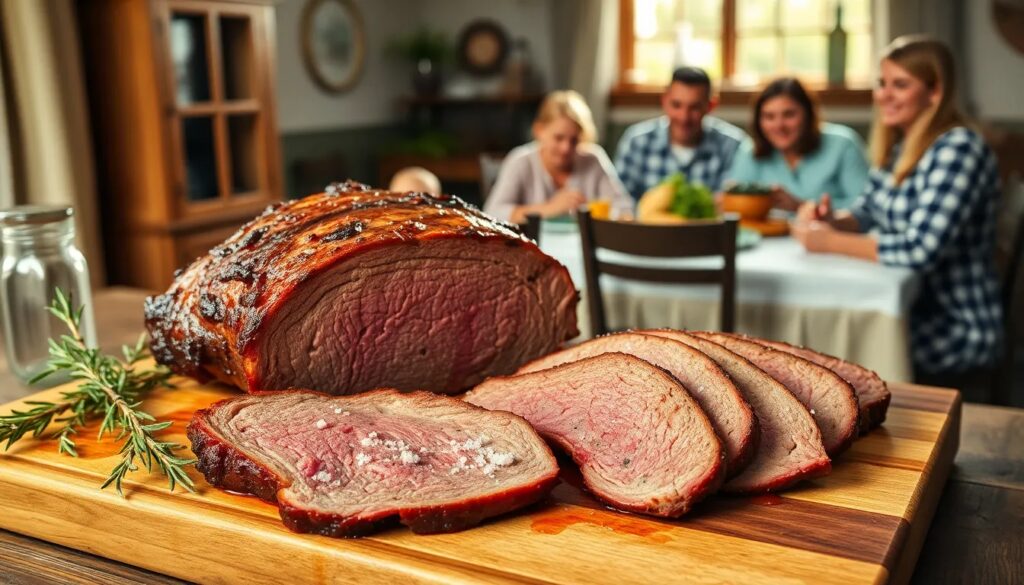
Brisket is a beloved cut of meat, renowned for its rich flavor and versatility in various culinary traditions. Understanding the characteristics of brisket, including its classification as red meat, is essential for anyone looking to cook or enjoy this delicious dish.
This guide will explore the ins and outs of brisket, from what it is and how to cook it, to popular recipes and storage tips. Let’s dive into the meaty details!
Table of Contents
What is brisket?
Brisket is a cut of beef taken from the breast or lower chest of the cow. It is known for its toughness due to the high levels of connective tissue, which requires specific cooking methods to achieve tenderness. The term "brisket" originates from Old Norse, meaning cartilage, a nod to its fibrous texture.
There are two primary cuts of brisket: the flat cut and the point cut. The flat cut is leaner, while the point cut is more marbled with fat, providing a richer flavor. Both cuts are used in different dishes, showcasing the versatility of brisket in various culinary contexts.
In American barbecue culture, brisket is a staple, often smoked for hours to achieve a tender and juicy result. This cut is also popular in Jewish cuisine, where it is commonly used for dishes like corned beef and pot roast.
Is brisket red meat?
Yes, brisket is classified as red meat. The term "red meat" generally refers to meat that comes from mammals, particularly those that are darker in color due to higher levels of myoglobin in the muscle. Brisket, being beef, fits this definition perfectly.
Red meat, including brisket, is often associated with various health benefits and considerations. For instance, it is a rich source of protein and essential nutrients like iron and zinc. However, moderation is key, especially considering the potential health implications of consuming too much red meat.
Cooking methods can also affect the healthiness of brisket. For example, smoked brisket can have added health concerns if consumed in excess, but when prepared and eaten mindfully, it can be a delicious addition to a balanced diet.
How to buy brisket for the best results?
When purchasing brisket, there are some key factors to consider to ensure you get the best quality meat. Here are some tips:
- Look for marbling: A good brisket should have a decent amount of fat marbling, particularly in the point cut, as this contributes to flavor and tenderness.
- Choose a full-packer: A full-packer brisket includes both the flat and point cuts, making it ideal for feeding a crowd.
- Check the color: Fresh brisket should have a bright red color. Avoid cuts that look brown or discolored, as this may indicate age.
- Ask your butcher: Building a relationship with your butcher can help you get the best cuts and advice on how to prepare them.
Briskets typically weigh between 10 to 15 pounds, making them perfect for parties and gatherings. Look for quality over quantity to ensure a flavorful and enjoyable experience.
What cut of beef is brisket?
Brisket is a specific cut from the lower chest of the cow, consisting of two main muscles: the flat and the point. The flat cut is leaner and often used for slicing, while the point cut is fattier and ideal for shredding or making burnt ends.
This cut is particularly favored for slow cooking methods, which help break down the tough connective tissues, resulting in a tender and juicy end product. Popular cooking methods for brisket include smoking, braising, and slow roasting.
In many cuisines worldwide, brisket is utilized in a variety of dishes, from Texas-style barbecue to Jewish holiday meals. Its versatility and flavor make it a top choice for many home cooks and chefs alike.
How to cook brisket perfectly?
Cooking brisket to perfection requires time and patience. Here are some essential tips for achieving the best results:
- Season generously: A simple rub of salt and pepper is often enough to start; however, feel free to experiment with spices and marinades.
- Low and slow: Cooking brisket at a low temperature, generally around 250°F, is key to breaking down tough fibers and achieving tenderness.
- Wrap during cooking: Wrapping the brisket in butcher paper or foil can help manage temperature stalls during cooking, ensuring juicy results.
- Let it rest: Once cooked, allow the brisket to rest before slicing. This helps redistribute juices, leading to a more flavorful experience.
Using these methods, you can produce a succulent brisket that will be the star of any meal.
What to serve with brisket?
Brisket pairs well with a variety of sides that complement its rich and hearty flavor. Here are some popular options:
- Coleslaw: The crunchiness and acidity of coleslaw can balance the richness of brisket.
- Potato salad: A classic side dish, potato salad adds a creamy texture that pairs well with the meat.
- Bread: Whether it’s a soft bun for sandwiches or crusty bread for soaking up juices, bread is a perfect accompaniment.
- Grilled vegetables: Seasonal vegetables grilled to perfection can add a healthy and colorful aspect to your plate.
These sides not only enhance the overall meal but also add variety to the dining experience.
How to store leftover brisket?
Proper storage of leftover brisket is crucial to maintain its flavor and texture. Follow these tips for optimal storage:
- Refrigerate promptly: Store leftover brisket in the fridge within two hours of cooking to prevent bacterial growth.
- Use airtight containers: Place brisket in airtight containers to keep it fresh and prevent it from absorbing other odors in the fridge.
- Freeze for long-term storage: For longer storage, freeze brisket. Wrap it tightly in plastic wrap and then in aluminum foil to prevent freezer burn.
When reheating, do so gently to avoid drying out the meat. Adding a splash of broth can help keep it moist.
Is brisket a healthy red meat?
Brisket, being red meat, has both benefits and drawbacks when it comes to health. It is a good source of high-quality protein, iron, and essential vitamins. However, it can also be high in saturated fats, particularly in the fattier point cut. Moderation is key; enjoying brisket as part of a balanced diet can make it a healthy option.
Furthermore, the method of cooking plays a significant role in its health impact. Grilling or smoking brisket can add flavor without adding excessive fats, making it a more health-conscious choice compared to frying.
What kind of meat is brisket?
Brisket is a cut of beef taken from the lower chest of the cow. It consists of two overlapping muscles: the flat, which is leaner, and the point, which is fattier. This cut is known for its tough texture, requiring slow cooking methods to break down the connective tissues for optimal tenderness.
This versatility allows brisket to shine in various dishes and culinary traditions, from barbecue to Jewish cuisine.
How unhealthy is smoked brisket?
Smoked brisket can be a delicious treat, but it does come with some health considerations. The smoking process can introduce certain compounds that may be harmful if consumed in large amounts. Additionally, the high-fat content of certain cuts can contribute to increased saturated fat intake.
That said, enjoying smoked brisket in moderation as part of a varied diet can mitigate potential health risks, allowing you to savor its rich flavors without overindulging.
Is beef brisket supposed to be red?
Yes, beef brisket is typically red in color due to the presence of myoglobin, a protein that stores oxygen in muscle cells. Fresh brisket should have a bright red appearance, indicating that it is fresh and of good quality. However, some discoloration can occur as meat ages, so it’s essential to check for other signs of freshness as well.
When purchasing brisket, selecting cuts with a vibrant red hue ensures you are getting the best quality meat for your culinary adventures.
If you want to know other articles similar to Is brisket red meat? you can visit the category Uncategorized.


More embers