

Canola oil smoke point explained
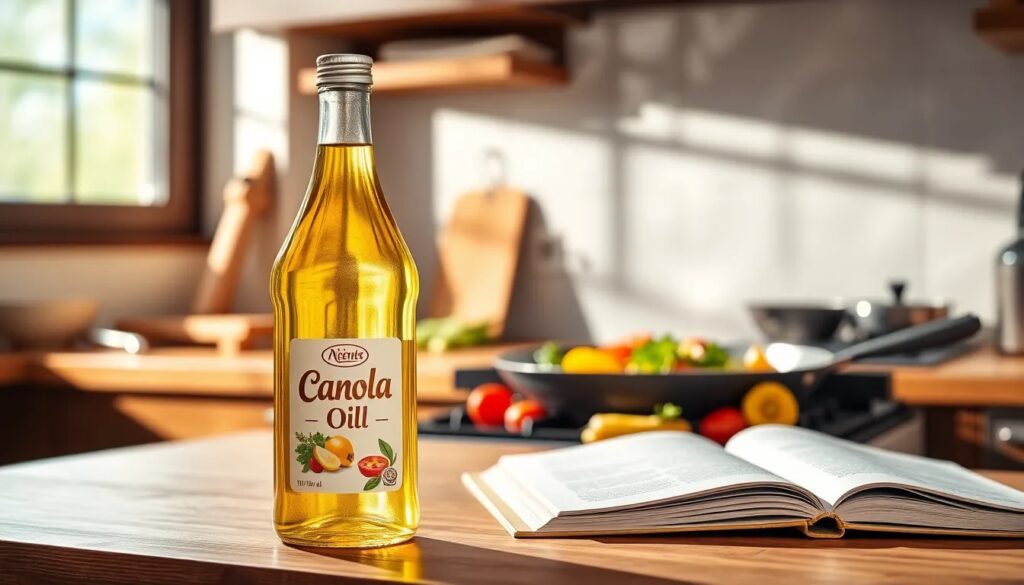
The smoke point of cooking oils is a crucial factor to consider when choosing the right oil for your culinary needs. Understanding this aspect not only enhances your cooking but also ensures safety in the kitchen. In this article, we'll focus on the canola oil smoke point and explore its significance.
Choosing the appropriate oil based on smoke point can impact flavor, health, and cooking outcomes. Let's delve into the details to help you make informed decisions about your cooking oils.
Table of Contents
- What is a smoke point and why does it matter?
- What is canola oil smoke point?
- How to choose the right cooking oil based on smoke point?
- Can you use canola oil for high heat cooking?
- What are the benefits of high smoke point oils?
- Understanding refined vs unrefined oils
- What are common oils and their smoke points?
- Is canola oil safe for cooking at high temperatures?
- Questions related to cooking oils and their smoke points
What is a smoke point and why does it matter?
The smoke point refers to the temperature at which an oil begins to smoke and break down. This process can produce harmful compounds and negatively affect the flavor of your food. Understanding the smoke point is essential for achieving optimal cooking results.
When an oil reaches its smoke point, it can emit acrid smoke and create a burnt flavor in dishes. Additionally, oils that break down at high temperatures may release free radicals, which are detrimental to health. Thus, using oils with higher smoke points for high-heat cooking is advisable.
What is canola oil smoke point?
The canola oil smoke point is approximately 400°F (204°C). This makes it a versatile choice for various cooking methods, including frying, sautéing, and baking. Its relatively high smoke point allows for flexibility in cooking techniques.
Canola oil is often favored for its neutral flavor, making it suitable for a wide range of dishes. Its high smoke point means it can handle the heat without compromising the taste or nutritional quality of the food.
How to choose the right cooking oil based on smoke point?
When selecting cooking oil, consider the following factors:
- Cooking Method: Determine the temperature required for your dish. For example, frying typically requires oils with higher smoke points.
- Flavor Profile: Some oils, like olive oil, have distinct flavors that may enhance or clash with your dish.
- Nutritional Values: Assess the health benefits, such as omega-3 fatty acids in canola oil, compared to other oils.
- Stability: Refined oils usually have higher smoke points and greater stability than unrefined oils.
Ultimately, the right oil will depend on your personal preferences and the specific cooking technique you intend to use. Understanding smoke points can guide you in selecting oils that will yield the best results.
Can you use canola oil for high heat cooking?
Yes, you can use canola oil for high heat cooking due to its high smoke point of around 400°F (204°C). This makes it suitable for various cooking methods that require high temperatures, including frying and roasting.
Additionally, canola oil's neutral flavor allows it to complement a wide range of dishes without overpowering other ingredients. This versatility makes it a popular choice among chefs and home cooks alike.
What are the benefits of high smoke point oils?
Using oils with high smoke points, such as canola oil, offers several advantages:
- Enhanced Cooking Versatility: High smoke point oils can be used for various cooking methods, including frying, grilling, and baking.
- Better Flavor Preservation: These oils maintain their flavor integrity at high temperatures, preventing the burnt taste associated with lower smoke point oils.
- Healthier Cooking: Oils that can withstand high temperatures reduce the formation of harmful compounds, promoting safer cooking practices.
- Longer Shelf Life: High smoke point oils tend to be more stable, resulting in a longer shelf life compared to oils with lower smoke points.
Incorporating high smoke point oils into your cooking routine can elevate your culinary experiences while ensuring safety and flavor preservation.
Understanding refined vs unrefined oils
Refined and unrefined oils differ significantly in terms of processing and smoke points. Refined oils undergo processing to remove impurities, resulting in a higher smoke point and a neutral flavor profile. Examples include canola oil and soybean oil.
On the other hand, unrefined oils retain their natural flavors, aromas, and nutrients, but typically have lower smoke points. Examples include extra virgin olive oil and sesame oil, which are better suited for low to medium heat cooking.
When selecting between refined and unrefined oils, consider the cooking method and desired flavor. Refined oils are ideal for high-heat applications, while unrefined oils can enhance the taste in lower temperature dishes.
What are common oils and their smoke points?
Here's a comparison of common cooking oils and their approximate smoke points:
- Canola Oil: 400°F (204°C)
- Olive Oil (Extra Virgin): 375-410°F (190-210°C)
- Avocado Oil: 520°F (271°C)
- Sunflower Oil: 440°F (227°C)
- Coconut Oil: 350°F (177°C)
Understanding these smoke points can help you choose the right oil based on your cooking needs, ensuring that you avoid burning oil and achieving the best flavor in your dishes.
Is canola oil safe for cooking at high temperatures?
Canola oil is generally safe for cooking at high temperatures due to its relatively high smoke point of 400°F (204°C). This stability makes it a reliable choice for frying, baking, and sautéing without the risk of burning.
Moreover, canola oil is low in saturated fat and contains beneficial omega-3 fatty acids, contributing to its reputation as a healthy cooking oil. However, it's important to monitor the temperature during cooking to maintain its integrity.
Is canola oil considered a high smoke point oil?
Yes, canola oil is considered a high smoke point oil with a smoke point of approximately 400°F (204°C). This makes it suitable for various cooking methods, including frying and baking, without compromising the flavor or quality of the food.
Can you use canola oil at 450 degrees?
While canola oil has a smoke point of about 400°F (204°C), using it at 450°F (232°C) is not recommended. At this temperature, the oil may start to smoke and break down, leading to undesirable flavors and potential health risks.
Which oil has the highest smoking point?
Avocado oil has one of the highest smoke points, reaching up to 520°F (271°C). This makes it an excellent choice for high-heat cooking methods, such as frying and grilling, while retaining its beneficial properties.
Is canola oil ok for high heat cooking?
Yes, canola oil is suitable for high heat cooking due to its smoke point of about 400°F (204°C). Its stability under heat and neutral flavor contribute to its popularity for various cooking techniques.
In summary, understanding the canola oil smoke point and the characteristics of different oils can greatly enhance your cooking experience. By choosing the right oil for your cooking methods, you can achieve optimal flavor while ensuring safety in the kitchen.
If you want to know other articles similar to Canola oil smoke point explained you can visit the category Uncategorized.


More embers