
T bone steak
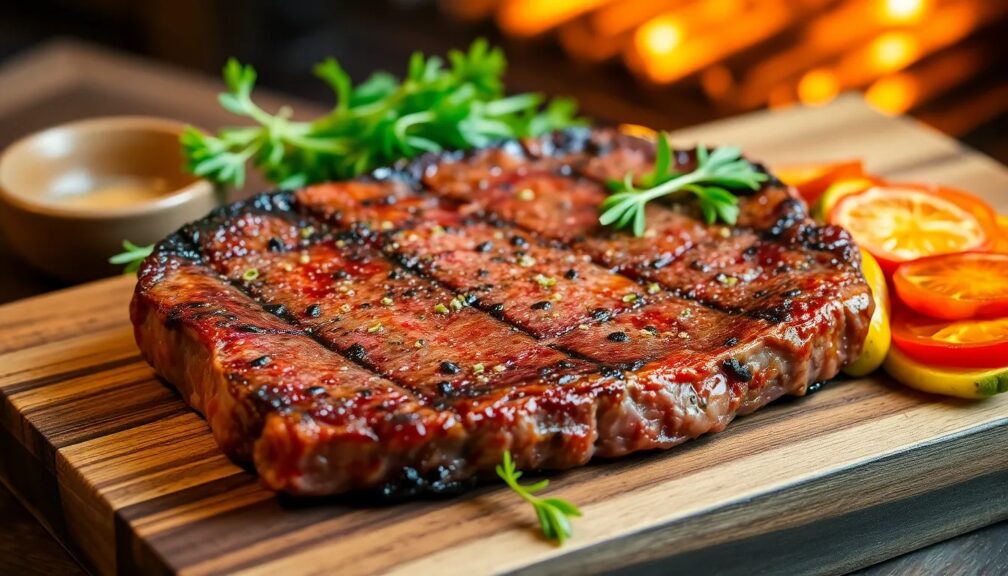
The T-bone steak is a beloved cut of beef, known for its incredible flavor and tenderness. This cut offers the best of both worlds, combining the rich taste of strip steak with the delicate texture of tenderloin. In this article, we will explore everything you need to know about T-bone steak, including how to select, grill, and enhance its flavors for an unforgettable meal.
Whether you're a seasoned grill master or a novice in the kitchen, our comprehensive guide on the T-bone steak will ensure you achieve the perfect result every time.
Index
- What is a T-bone steak?
- How to select the perfect T-bone steak?
- What are the different methods for grilling a T-bone steak?
- What makes T-bone steak a premium cut?
- How to enhance the flavor of T-bone steak?
- What are the key differences between porterhouse and T-bone steaks?
- Related questions about T-bone steak
- Related questions about T-bone steak
What is a T-bone steak?
The T-bone steak is a premium cut of beef originating from the short loin. This steak is characterized by a T-shaped bone that separates two different sections of meat: the tenderloin and the strip steak. The cut features a lumbar vertebra, making it unique and easily identifiable.
This steak is not only known for its flavor but also its texture, as it combines the tenderness of the tenderloin with the robust flavor of the strip steak. It is often grilled or broiled to bring out the best characteristics of the meat.
 Top sirloin steak cooking tips
When cooked properly, the T-bone steak can deliver a delightful eating experience, especially when paired with the right seasonings and Cooking techniques.
How to select the perfect T-bone steak?
Choosing the right T-bone steak is crucial for achieving a flavorful and juicy meal. Here are some tips:
- Look for marbling: The best T-bone steaks feature good marbling, which enhances flavor and tenderness.
- Check the thickness: Ideally, a T-bone steak should be at least 1.5 inches thick for optimal cooking.
- Freshness is key: Always select steaks that are bright red and avoid any that have a brownish tint.
- USDA grading: Aim for USDA Prime or Choice grades to ensure quality.
Additionally, consider sourcing your T-bone steak from a trusted butcher who can provide insights about the cut and its origin. Knowing the source can make a significant difference in taste.
What are the different methods for grilling a T-bone steak?
Grilling a T-bone steak can be done in various ways, and each method has its unique benefits. Here are a few popular techniques:
Top sirloin steak cooking tips Understanding 2 2/3 cup measurements and conversions
- Direct grilling: This method involves placing the steak directly over high heat. It creates a flavorful crust while keeping the inside juicy and tender.
- Reverse searing: Start by cooking the steak over low heat until it reaches the desired internal temperature, then finish with a quick sear over high heat.
- Two-zone grilling: Set up your grill with one side for high heat and the other for indirect cooking. This allows for better control over the cooking process.
Regardless of the method you choose, it's important to monitor the internal temperature to avoid overcooking. A meat thermometer can be an invaluable tool here.
The T-bone steak is considered a premium cut due to several factors. First, it combines two highly prized cuts, the tenderloin and strip steak, which are sought after for their exceptional flavors. Second, the quality of the meat largely depends on the animal's diet and breed.
Additionally, T-bone steaks are often associated with special occasions and fine dining, elevating their status among beef cuts. Their impressive presentation and versatility further contribute to their premium reputation.
How to enhance the flavor of T-bone steak?
Enhancing the flavor of your T-bone steak can be done through various methods:
Top sirloin steak cooking tipsUnderstanding 2 2/3 cup measurements and conversions Bone-in rib eye steak guide
- Marinades: A well-composed marinade can infuse the steak with additional flavors. Consider using a mix of herbs, garlic, and olive oil.
- Seasoning: Simple seasoning with salt and pepper can significantly enhance the natural flavors. Season the steak a few hours before cooking.
- Resting: Allow the steak to rest after cooking to redistribute the juices, resulting in a more flavorful bite.
These tips will help you maximize the taste of your T-bone steak and impress your guests.
What are the key differences between porterhouse and T-bone steaks?
While T-bone and porterhouse steaks may look similar, there are key differences:
The primary difference lies in the size of the tenderloin section. A porterhouse steak has a larger portion of tenderloin compared to a T-bone steak, making it a more substantial cut. According to USDA standards, a porterhouse must have a tenderloin portion that is at least 1.25 inches wide.
Another distinction is that porterhouse steaks are often cut from the rear end of the short loin, where the tenderloin is thicker, while T-bones come from the front section. This can impact the steak's texture and flavor.
Top sirloin steak cooking tipsUnderstanding 2 2/3 cup measurements and conversionsBone-in rib eye steak guide How to braise for tender and flavorful results
For those looking for a more substantial meal, a porterhouse is the way to go, while the T-bone provides a delightful balance of both cuts.
What cut of meat is the T-bone?
The T-bone steak is cut from the short loin section of a beef carcass. This cut includes both the tenderloin and the strip steak, separated by a T-shaped bone. The combination of these two cuts gives the T-bone its distinctive flavor and texture.
What does "t boned" mean in slang?
In slang, the term "t boned" can refer to an experience where someone is unexpectedly and significantly impacted by a situation, similar to being knocked off balance or caught off guard. This expression plays on the idea of the T-bone's distinctive shape, where the surprise element is akin to the shock of the cut itself.
Is a T-bone better than a ribeye?
Choosing between a T-bone and a ribeye often comes down to personal preference. The T-bone offers a combination of two different cuts, making it versatile. On the other hand, the ribeye is known for its rich marbling and robust flavor. If you prefer a steak with a lot of fat content and bold taste, the ribeye may be the better option for you.
Top sirloin steak cooking tipsUnderstanding 2 2/3 cup measurements and conversionsBone-in rib eye steak guideHow to braise for tender and flavorful results Burnt end pork belly recipe
Why is T-bone so expensive?
The T-bone steak tends to be more expensive due to several factors, including its premium quality and the limited quantity available from each animal. Additionally, the combination of two desirable cuts in one steak increases its value. The demand for T-bone steaks in fine dining also contributes to their higher price point.
For a closer look at cooking techniques, check out this video:
If you want to know other articles similar to T bone steak you can visit the category Meat Recipes.
Grilled rabbit recipes for every occasion

Roast rabbits: recipes and tips for perfect results

Ribeye beef steak guide
Deja una respuesta

Gestionar consentimiento
Funcional Siempre activo
El almacenamiento o acceso técnico es estrictamente necesario para el propósito legítimo de permitir el uso de un servicio específico explícitamente solicitado por el abonado o usuario, o con el único propósito de llevar a cabo la transmisión de una comunicación a través de una red de comunicaciones electrónicas.
Preferencias
El almacenamiento o acceso técnico es necesario para la finalidad legítima de almacenar preferencias no solicitadas por el abonado o usuario.
Estadísticas
El almacenamiento o acceso técnico que es utilizado exclusivamente con fines estadísticos. El almacenamiento o acceso técnico que se utiliza exclusivamente con fines estadísticos anónimos. Sin un requerimiento, el cumplimiento voluntario por parte de tu proveedor de servicios de Internet, o los registros adicionales de un tercero, la información almacenada o recuperada sólo para este propósito no se puede utilizar para identificarte.
Marketing
El almacenamiento o acceso técnico es necesario para crear perfiles de usuario para enviar publicidad, o para rastrear al usuario en una web o en varias web con fines de marketing similares.
More embers