
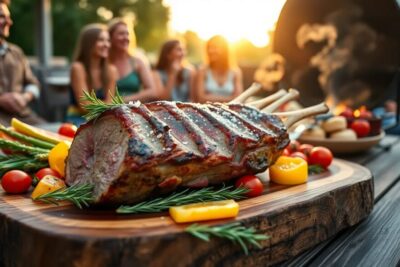
Santa Maria tri tip: a classic grilled recipe
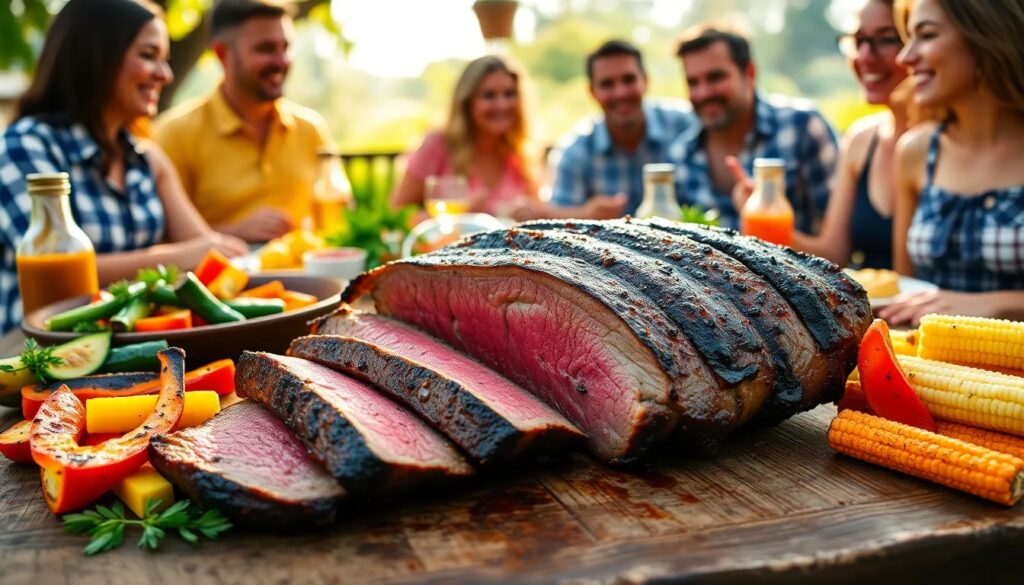
Santa Maria tri-tip is a classic cut of beef that has gained immense popularity, especially in grilling circles. Its rich flavor and tenderness make it a favorite for barbecues and family gatherings. In this guide, we will explore everything you need to know about this delicious cut, from its origins to the perfect cooking techniques.
Whether you are a seasoned griller or a novice, mastering the art of cooking Santa Maria tri-tip can elevate your culinary skills and impress your guests.
Table of Contents
- What is Santa Maria tri-tip?
- How was Santa Maria tri-tip invented?
- What’s the best way to cook Santa Maria tri-tip?
- How to grill tri-tip steak like a pro?
- What wine pairs best with Santa Maria tri-tip?
- What are the best sides for Santa Maria tri-tip?
- How to make Santa Maria tri-tip in the oven?
- Related questions about Santa Maria tri-tip
What is Santa Maria tri-tip?
Santa Maria tri-tip refers to a specific cut of beef that comes from the bottom sirloin. This triangular piece of meat is renowned for its rich, beefy flavor and tender texture, making it an ideal choice for grilling.
This cut is traditionally seasoned with a simple rub of salt, pepper, and garlic, capturing the essence of Santa Maria-style barbecue. The grilling process often involves high heat, which creates a beautiful crust while keeping the inside juicy and flavorful.
One of the unique characteristics of Santa Maria tri-tip is its versatility. It can be served on its own or used in various dishes, from tacos to sandwiches, making it a favorite among meat lovers.
How was Santa Maria tri-tip invented?
The origins of Santa Maria tri-tip can be traced back to the Santa Maria Valley in California, where this grilling style was popularized by the local ranchers in the early 1900s. The cut was originally used as a cost-effective option for feeding large gatherings, as it could easily feed a crowd.
Over the years, the method of cooking tri-tip evolved, and the region became known for its unique approach to barbecue. Traditional Santa Maria-style grilling involves cooking the meat over an open flame, often using red oak wood, which imparts a distinct smoky flavor.
Today, Santa Maria tri-tip is celebrated not only in California but across the United States, with many people adopting this style of cooking in their backyards.
What’s the best way to cook Santa Maria tri-tip?
Cooking Santa Maria tri-tip is straightforward, but to achieve perfection, a few key techniques should be followed. First, seasoning is crucial. A classic Santa Maria seasoning consists of:
- Coarse salt
- Freshly ground black pepper
- Garlic powder
- Onion powder
Once seasoned, allow the meat to rest at room temperature for about 30 minutes before grilling. This helps in achieving even cooking.
The ideal cooking method is grilling over high heat. Aim for an internal temperature of 130°F for medium-rare. The cooking time can vary, but typically, grilling will take about 20–30 minutes, depending on the thickness of the meat.
How to grill tri-tip steak like a pro?
To grill tri-tip steak like a pro, a few specific techniques can enhance your results:
- Preheat your grill: Make sure your grill is hot before placing the tri-tip on it. This ensures a good sear and prevents sticking.
- Use indirect heat: Start by searing the meat directly over the flames, then move it to an area with indirect heat to finish cooking, ensuring it doesn’t dry out.
- Monitor internal temperature: Use a meat thermometer to check for doneness. Remove the meat from the grill once it reaches about 130°F.
- Rest before slicing: Let the tri-tip rest for at least 15 minutes after grilling. This allows the juices to redistribute, resulting in a more tender bite.
With these techniques, you'll be on your way to mastering the Santa Maria tri-tip and impressing your family and friends at your next cookout.
What wine pairs best with Santa Maria tri-tip?
When it comes to pairing wine with Santa Maria tri-tip, the robust flavors of the meat call for a wine that can hold its own. Red wines are generally the best choice due to their bold profiles. Some excellent options include:
- Cabernet Sauvignon: Its tannins and acidity complement the richness of the tri-tip.
- Syrah/Shiraz: This wine offers peppery notes that enhance the spices used in the rub.
- Zinfandel: A fruit-forward wine that balances well with grilled meats.
Choosing the right wine can elevate your dining experience, making it even more memorable. Consider the seasonings and sides as well, as they can influence your choice.
What are the best sides for Santa Maria tri-tip?
Pairing sides with Santa Maria tri-tip can enhance the overall meal. Traditional sides include:
- Garlic bread: A crusty slice of garlic bread can soak up the juices of the tri-tip.
- Coleslaw: The crunch and tanginess of coleslaw provide a refreshing contrast to the rich meat.
- Grilled vegetables: Seasonal vegetables add color and a healthy element to your plate.
- Potato salad: A classic side that complements the smoky flavors of the tri-tip.
- Beans: Traditional Santa Maria barbecues often serve beans as a hearty side dish.
These sides not only complement the tri-tip but also create a well-rounded meal that satisfies diverse tastes.
How to make Santa Maria tri-tip in the oven?
If you don't have access to a grill, you can still enjoy Santa Maria tri-tip by using your oven. Here’s an easy method:
First, season the tri-tip as you normally would and let it rest. Preheat your oven to 425°F. Place the tri-tip on a rack in a roasting pan to allow heat circulation. Roast for about 30–40 minutes, checking for an internal temperature of 130°F for medium-rare.
After cooking, allow the meat to rest for 10–15 minutes before slicing. This method keeps the tri-tip flavorful and juicy, making it a great alternative to grilling.
What is the Santa Maria style tri-tip?
The Santa Maria style tri-tip is a method of grilling that emphasizes simplicity and quality. It involves seasoning the meat with basic ingredients and cooking it over an open flame, typically with red oak wood. This technique allows the natural flavors of the beef to shine through while adding a subtle smokiness.
Traditionally, the meat is served sliced against the grain, ensuring tenderness in each bite. This method of preparation has become a hallmark of Californian barbecue and is celebrated for its rich, savory profile.
How long does it take to cook a tri-tip on a Santa Maria grill?
Cooking a tri-tip on a Santa Maria grill typically takes about 20 to 30 minutes, depending on the thickness of the cut and the heat of the grill. The goal is to reach an internal temperature of 130°F for medium-rare. It’s essential to monitor the temperature closely, as overcooking can lead to dryness.
For the best results, start by searing the meat over direct heat, then move it to indirect heat to finish cooking. This technique helps achieve a perfect crust while keeping the meat juicy.
Why is it called Santa Maria tri-tip?
The name "Santa Maria tri-tip" originates from the Santa Maria Valley in California, where this cooking method and cut of meat were popularized. The term "tri-tip" refers to the triangular shape of the cut, which comes from the bottom sirloin of the cow.
This style of barbecue emphasizes using simple seasonings and cooking methods that highlight the flavor of the meat, making it a signature dish of the region.
How do you cook Costco Santa Maria tri-tip?
Cooking Costco Santa Maria tri-tip is quite simple. First, remove the packaging and season the meat according to your preference or use the seasoning provided. For optimal flavor, let it marinate for a few hours or overnight if possible.
To cook, preheat your grill to high heat and sear the tri-tip on both sides. Then, move it to indirect heat until it reaches the desired internal temperature. Allow it to rest before slicing to ensure juiciness and flavor.
Following these steps will help you achieve a delicious Santa Maria tri-tip, even with a pre-marinated cut from Costco.
If you want to know other articles similar to Santa Maria tri tip: a classic grilled recipe you can visit the category Meat Recipes.
More embers