
Rib eye in Spanish: traducción y significado
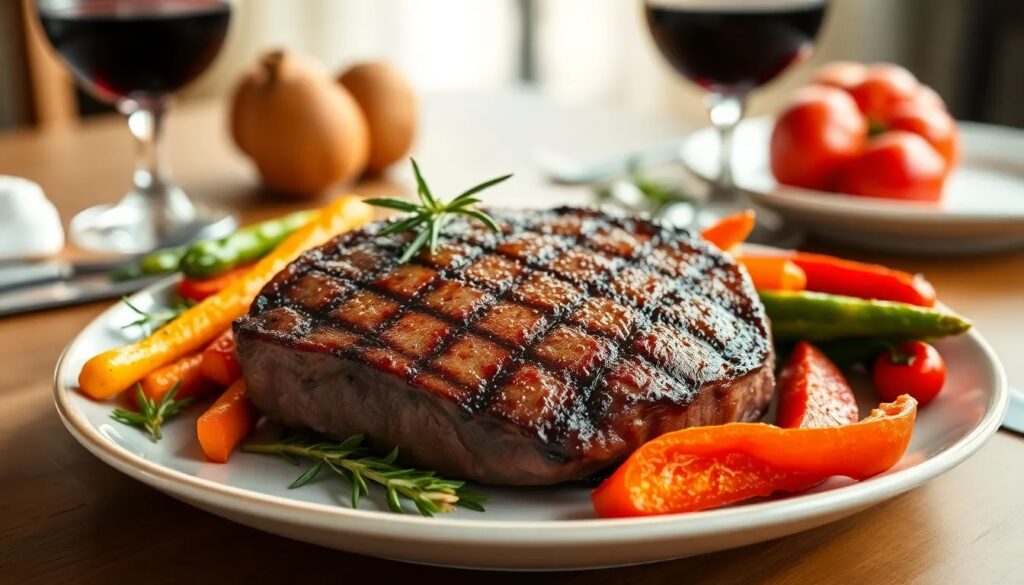
The term rib eye in Spanish can be a bit confusing, especially for those unfamiliar with culinary terminology. Understanding how to translate this popular cut of meat is essential for both cooks and food enthusiasts alike.
This article will delve into the nuances of translating rib eye, explore regional variations, and provide a comprehensive understanding of its culinary context across Spanish-speaking countries.
Index
- What is rib eye in Spanish?
- How do you translate ribeye steak into Spanish?
- What are the regional variations for rib eye in Spanish?
- Is ribeye the same as bistec in Spanish?
- What is the translation for bone-in ribeye in Spanish?
- How is rib eye translated in different Spanish-speaking countries?
- What is the Spanish term for New York steak?
- Related questions about rib eye in Spanish
What is rib eye in Spanish?
The direct translation of rib eye in Spanish is filete de ojo de costilla. This term refers to the marbled cut of meat that comes from the rib section of the cow. It is known for its tenderness and flavorful profile, making it a popular choice in many cuisines.
In casual conversation, many Spanish speakers might simply refer to it as bistec, which is a more generic term for steak. This can lead to some confusion, particularly for those seeking a specific cut.
 Medium rare meat: everything you need to know
Understanding the nuances of meat terminology is crucial for anyone interested in Cooking or dining in a Spanish-speaking context. Using the precise term, such as filete de ojo de costilla, can enhance communication and clarity when discussing culinary preferences.
How do you translate ribeye steak into Spanish?
To translate ribeye steak into Spanish, one would typically say ribeye steak or filete rib eye in contexts where the English term is widely understood. In more formal culinary discussions, filete de ojo de costilla is preferred.
In Mexico, for example, the term rib eye is becoming increasingly common, particularly in high-end restaurants that cater to a diverse clientele. This incorporation of English culinary terms reflects broader trends in the globalization of food culture.
When looking for ribeye steak in Hispanic butcher shops or markets, asking for filete de ojo de costilla will yield the best results. However, it is essential to note that some may use the term bistec interchangeably, so being clear about the cut can help avoid any misunderstandings.
Medium rare meat: everything you need to know Medium rare steak guide
What are the regional variations for rib eye in Spanish?
- In Spain, you might hear entrecot used to refer to rib eye.
- In Argentina, it might be called ojo de bife, highlighting the local preference for specific cuts.
- In Colombia, people commonly refer to it as bistec de ojo de costilla.
- Mexican cuisine sometimes incorporates the term rib eye directly, especially in urban areas.
These variations illustrate the rich tapestry of culinary language across Spanish-speaking countries. Understanding these terms can enhance your culinary experience, whether you are cooking or dining out.
It's fascinating to see how a single cut of meat can take on different names and cultural significance, bringing people together through their shared appreciation for good food. Being aware of these differences can help in selecting the right dish and communicating effectively.
Is ribeye the same as bistec in Spanish?
While ribeye and bistec are related, they are not the same. Bistec is a general term for steak in Spanish-speaking countries and can refer to various cuts of meat, while ribeye specifically denotes a certain cut from the rib section.
In many contexts, a ribeye steak can be referred to as bistec de ojo de costilla, which helps to clarify the specific cut being discussed. However, if someone simply says bistec, they might be referring to any steak without specifying the cut.
Medium rare meat: everything you need to knowMedium rare steak guide How to tenderize meat: tips and techniques
Understanding this distinction is particularly important for anyone looking to enjoy a specific culinary experience, as the flavor and texture can vary widely between different cuts of meat.
What is the translation for bone-in ribeye in Spanish?
The term bone-in ribeye translates to rib eye con hueso in Spanish. This cut retains the bone, which can enhance the flavor during cooking, making it a favorite among many meat lovers.
Using the bone-in version of ribeye can also influence cooking techniques. For instance, it is often grilled or roasted, allowing the fat to render down through the meat, enhancing its flavor profile.
When discussing cuts with butchers or in restaurants, specifying rib eye con hueso will clearly communicate your preference for this particular style of ribeye, ensuring that you receive exactly what you desire.
Medium rare meat: everything you need to knowMedium rare steak guideHow to tenderize meat: tips and techniques Churrasco de entraña: guía para la preparación perfecta
How is rib eye translated in different Spanish-speaking countries?
The translation of rib eye varies significantly across Spanish-speaking countries, reflecting regional culinary traditions. For instance:
- In Spain, entrecot is often used, especially in restaurants.
- In Mexico, the term rib eye is frequently adopted, particularly in urban areas.
- Argentinian menus might list ojo de bife as a preferred choice.
- In Colombia, the term bistec de ojo de costilla is commonly understood.
These differences highlight the diverse culinary landscapes across the Spanish-speaking world, where local preferences and traditions shape the terminology used for various cuts of meat.
Being aware of these regional terms can greatly enhance your dining experience, especially when traveling or exploring the cuisines of different countries. It provides insight not just into the food itself, but also into the culture surrounding it.
What is the Spanish term for New York steak?
The term New York steak translates to bistec de Nueva York in Spanish. This cut is known for its robust flavor and tenderness, making it a popular choice among steak lovers.
Medium rare meat: everything you need to knowMedium rare steak guideHow to tenderize meat: tips and techniquesChurrasco de entraña: guía para la preparación perfecta Best knife for cutting meat: top picks and reviews
Similar to ribeye, the terminology used for New York steak can vary by region. In some places, it may simply be called bistec, though specifying bistec de Nueva York provides clarity on the specific cut you desire.
Understanding these culinary terms enhances your ability to navigate restaurant menus and communicate effectively with chefs and waitstaff, ensuring a more enjoyable dining experience.
What cut is rib eye in Spanish?
As mentioned earlier, rib eye in Spanish is typically referred to as filete de ojo de costilla. This nomenclature captures the essence of the cut, highlighting both its location and distinctive fat marbling.
When discussing specific cuts within different regions, it's important to remember that terms may vary. For example, in Argentina, it could also be known as ojo de bife, demonstrating the local culinary language and preferences.
Medium rare meat: everything you need to knowMedium rare steak guideHow to tenderize meat: tips and techniquesChurrasco de entraña: guía para la preparación perfectaBest knife for cutting meat: top picks and reviews Best knives for meat: top recommendations
Is ribeye the same as lomo?
No, ribeye is not the same as lomo. While both are popular cuts of beef, lomo refers to the loin section of the animal, which is typically leaner and less marbled compared to ribeye.
Understanding these differences is vital for anyone interested in exploring diverse meat cuts and their unique flavors. Each cut offers its own distinct taste and cooking characteristics, making them suitable for different culinary applications.
What is another name for a rib eye steak?
Besides filete de ojo de costilla, ribeye steak is also known as entrecot in Spain and ojo de bife in Argentina. These variations reflect regional preferences and highlight the cultural significance of this beloved cut of meat.
Being familiar with these different names can enrich your culinary vocabulary and enhance your ability to enjoy ribeye in various cultural contexts, from casual meals to gourmet dining experiences.
Medium rare meat: everything you need to knowMedium rare steak guideHow to tenderize meat: tips and techniquesChurrasco de entraña: guía para la preparación perfectaBest knife for cutting meat: top picks and reviewsBest knives for meat: top recommendations Roast rabbits: recipes and tips for perfect results
What is ribeye steak in Spanish Colombia?
In Colombia, ribeye steak is commonly referred to as bistec de ojo de costilla. This term is widely understood in butcher shops and restaurants, making it easy to order this delicious cut of meat.
For those exploring Colombian cuisine, understanding the local terminology will significantly improve your dining experience, as it allows for greater interaction with chefs and a deeper appreciation of the culinary traditions.
The diversity of terms used for rib eye across different Spanish-speaking countries showcases the rich cultural tapestry surrounding culinary practices and the importance of language in food enjoyment. Whether you are a chef, a home cook, or simply a food enthusiast, these insights will enhance your understanding and appreciation of this exquisite cut.
Medium rare meat: everything you need to knowMedium rare steak guideHow to tenderize meat: tips and techniquesChurrasco de entraña: guía para la preparación perfectaBest knife for cutting meat: top picks and reviewsBest knives for meat: top recommendationsRoast rabbits: recipes and tips for perfect results Solar lights for the garden: a complete guide
If you want to know other articles similar to Rib eye in Spanish: traducción y significado you can visit the category Meat Recipes.
Grilled rabbit recipes for every occasion

Roast rabbits: recipes and tips for perfect results

Ribeye beef steak guide
Deja una respuesta

Gestionar consentimiento
Funcional Siempre activo
El almacenamiento o acceso técnico es estrictamente necesario para el propósito legítimo de permitir el uso de un servicio específico explícitamente solicitado por el abonado o usuario, o con el único propósito de llevar a cabo la transmisión de una comunicación a través de una red de comunicaciones electrónicas.
Preferencias
El almacenamiento o acceso técnico es necesario para la finalidad legítima de almacenar preferencias no solicitadas por el abonado o usuario.
Estadísticas
El almacenamiento o acceso técnico que es utilizado exclusivamente con fines estadísticos. El almacenamiento o acceso técnico que se utiliza exclusivamente con fines estadísticos anónimos. Sin un requerimiento, el cumplimiento voluntario por parte de tu proveedor de servicios de Internet, o los registros adicionales de un tercero, la información almacenada o recuperada sólo para este propósito no se puede utilizar para identificarte.
Marketing
El almacenamiento o acceso técnico es necesario para crear perfiles de usuario para enviar publicidad, o para rastrear al usuario en una web o en varias web con fines de marketing similares.
More embers