
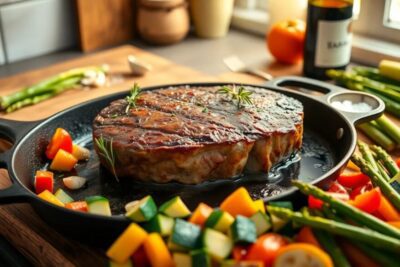
Denver steak: everything you need to know
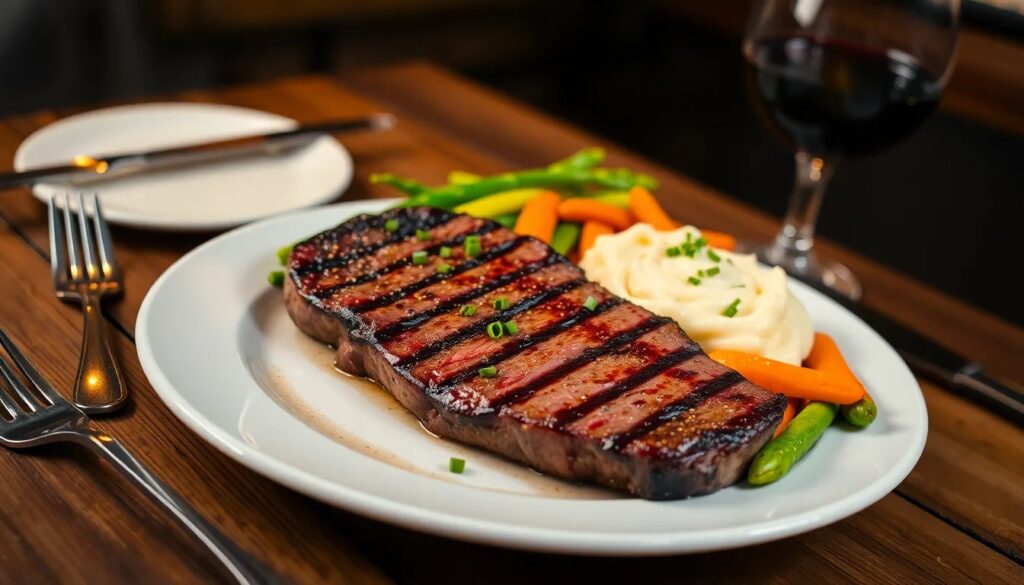
Denver steak has become a popular cut among beef enthusiasts, known for its tenderness and rich flavor. This article will explore everything you need to know about this delicious meat, from its origin to the best cooking techniques.
Whether you're looking to try Denver steak for the first time or want to perfect your cooking methods, this guide covers all the essentials. Let’s dive in!
Table of Contents
- What is a denver steak, and where did it get its name?
- What is denver steak?
- How to cook denver steak?
- What does denver steak taste like?
- Where to buy denver steak?
- Storing denver steak
- What makes denver steak unique?
- Where did denver steak get its name, and what is the history behind it?
- How to cook a denver steak for the best results?
- So, what's for dinner anyways?
- Related questions about denver steak
What is a denver steak, and where did it get its name?
The Denver steak is a relatively new cut of beef that hails from the chuck roll, specifically from the serratus ventralis muscle. This part of the cow is less commonly used, which contributes to its unique flavor profile and tenderness.
The name "Denver steak" was introduced as part of a marketing effort in the 2000s aimed at promoting lesser-known cuts. While it doesn't have significant historical roots, its catchy name has helped it gain popularity among chefs and home cooks alike.
Thanks to its increasing availability, you can find Denver steak at various butchers and grocery stores, making it a great addition to any meat lover's repertoire.
What is denver steak?
Denver steak is often celebrated for its balance of flavor and tenderness, making it an excellent alternative to more expensive cuts like ribeye. It is known for its moderate marbling, which contributes to its juicy taste.
- Originates from the chuck roll
- Offers a rich beef flavor
- Tender and more affordable than premium cuts
- Versatile for various cooking methods
This cut is particularly appealing for those who enjoy tender beef cuts but want to avoid the high price tags associated with more traditional steak options. Its flavor and texture make it suitable for grilling, pan-frying, or even sous-vide cooking.
How to cook denver steak?
Cooking Denver steak can be straightforward, but certain techniques will ensure you maximize its flavor and tenderness. Here are some popular methods:
- Grilling: Preheat your grill to high heat, season the steak, and cook it for about 4-5 minutes on each side.
- Pan-frying: In a hot skillet, sear the steak for 3-4 minutes per side for a nice crust while keeping the center juicy.
- Oven-roasting: Start cooking it on the stovetop, then transfer to an oven set at 375°F to finish cooking.
Regardless of the method you choose, one key to cooking Denver steak is to slice against the grain after cooking. This helps to break down the muscle fibers, making each bite more tender.
What does denver steak taste like?
The flavor profile of Denver steak is often described as rich and beefy, with a tender texture that melts in your mouth. This cut is well-marbled, which enhances its juiciness and overall taste.
Denver steak is less fatty compared to other cuts like ribeye, making it a healthier option while still delivering a satisfying beef flavor. It pairs well with a variety of seasonings, from simple salt and pepper to more complex marinades.
Where to buy denver steak?
Finding Denver steak is easier than you might think! Many specialty butchers and grocery stores now offer this cut. Here are some tips for locating it:
- Check local butcher shops, as they often carry unique cuts.
- Visit farmers' markets to find local beef producers.
- Order online from trusted meat suppliers who specialize in various beef cuts.
When purchasing Denver steak, look for cuts with good marbling and a bright red color to ensure freshness and quality.
Storing denver steak
Proper storage is essential for maintaining the quality of your Denver steak. Here are some storage tips:
- Refrigerate the steak if you plan to use it within a few days.
- For longer storage, consider freezing it to preserve freshness.
- Wrap the steak tightly in plastic wrap or aluminum foil to prevent freezer burn.
When you're ready to cook, thaw the steak in the refrigerator overnight for the best results. This helps retain its texture and flavor during cooking.
What makes denver steak unique?
One of the standout features of Denver steak is its tenderness, which rivals that of more expensive cuts. This cut benefits from the less-exercised muscle from the shoulder area, resulting in a flavorful and juicy piece of meat.
The Denver steak also offers a great balance of fat and meat, making it a versatile option for various cooking techniques. Plus, its affordability compared to premium steaks makes it an attractive choice for weeknight dinners and special occasions.
Where did denver steak get its name, and what is the history behind it?
The name "Denver steak" was popularized in the early 2000s as part of a marketing initiative by the beef industry. The goal was to introduce consumers to this lesser-known cut and encourage its use in home cooking.
Although the name does not have a deep historical connection, it has certainly captured the attention of chefs and food enthusiasts. The campaign aimed to highlight the benefits of using less conventional cuts of meat, ultimately leading to the rise of Denver steak in both restaurants and home kitchens.
How to cook a denver steak for the best results?
For the best results when cooking Denver steak, start by seasoning it generously with salt and pepper. Allow it to come to room temperature before cooking, which helps ensure even cooking throughout.
Cook the steak on high heat to achieve a delicious crust, then reduce the heat and cook to your desired doneness. Use a meat thermometer to check the internal temperature:
- Rare: 125°F
- Medium-rare: 135°F
- Medium: 145°F
Let the steak rest for a few minutes after cooking to allow the juices to redistribute, ensuring a juicier and more flavorful bite.
So, what's for dinner anyways?
If you're looking for a meal that showcases the flavors of Denver steak, consider pairing it with roasted vegetables or a fresh salad. The rich taste of the steak complements a variety of sides, making it a versatile choice for any dinner table.
For a quick but satisfying dinner, try grilling the steak and serving it with a chimichurri sauce. This vibrant sauce adds a burst of flavor that enhances the natural taste of the beef.
With its unique flavor and tenderness, Denver steak is sure to become a favorite in your kitchen!
Is Denver steak a good cut of steak?
Yes, Denver steak is considered a good cut of steak due to its tenderness and flavor. It provides a great balance of marbling without being excessively fatty, making it a popular choice for many beef enthusiasts.
This cut has become increasingly favored because it offers a more affordable option compared to pricier cuts like ribeye, while still delivering a satisfying eating experience.
Is a Denver steak a New York strip?
No, a Denver steak is not a New York strip. Although both cuts come from the beef cow, they are sourced from different areas. The Denver steak comes from the chuck roll, while the New York strip is cut from the short loin.
Each steak has its own unique flavor and texture, with the New York strip being more commonly recognized and typically more expensive than Denver steak.
Are Denver steaks just short ribs?
No, Denver steaks are not the same as short ribs. While both cuts can be sourced from the chuck section of the cow, they differ significantly in texture and preparation.
Short ribs are typically tougher and require longer cooking methods to become tender, while Denver steak is naturally more tender and can be cooked quickly using various methods.
Is Denver steak the same as hanger steak?
No, Denver steak and hanger steak are different cuts. Hanger steak comes from the diaphragm muscle, and its texture is more fibrous than Denver steak.
Denver steak is often preferred for its tenderness and flavor, whereas hanger steak is known for its strong beefy taste but requires careful cooking to ensure it remains juicy.
In summary, while both cuts have their merits, they are not interchangeable and offer distinct eating experiences.
If you want to know other articles similar to Denver steak: everything you need to know you can visit the category Meat Recipes.


More embers