
Core temp pork: safe cooking temperatures explained
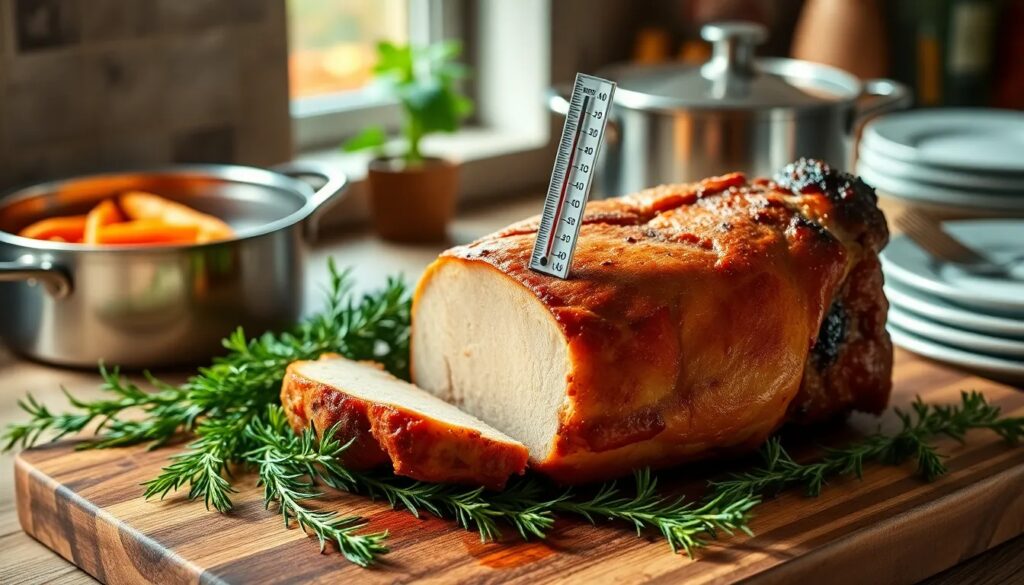
Cooking pork to the right core temperature is crucial for both safety and flavor. Understanding these temperatures ensures that you enjoy delicious, tender dishes while minimizing health risks. In this article, we will delve into the recommended cooking temperatures for various pork cuts and how to achieve them effectively.
From pork tenderloin to chops, knowing the correct core temp pork not only guarantees safety but also enhances the culinary experience. Let’s explore everything you need to know about cooking pork safely and deliciously.
Index
- What is the core temp pork for safe cooking?
- What is the recommended temperature for pork tenderloin?
- How hot should pork chops be cooked?
- What is the ideal core temp for pork roast?
- What is the safe cooking temperature for ground pork?
- How can you measure the core temperature of pork?
- What are the cooking techniques for different pork cuts?
- Related questions about pork cooking temperatures
What is the core temp pork for safe cooking?
The safe internal temperature for cooking pork, as recommended by the USDA, is 145°F (about 63°C), followed by a 3-minute rest period. This guideline assures that the pork is safe to eat while preserving its juiciness and flavor. Ensuring that pork reaches this temperature is vital to eliminate harmful bacteria that may be present.
After the resting period, the core temp allows the juices to redistribute, which results in a tender and savory dish. Whether you are preparing pork chops, tenderloin, or a roast, adhering to this guideline is essential.
 Core temperature pork: safe cooking guidelines
It's important to note that ground pork has a different safe cooking temperature. It should be cooked to an internal temperature of 160°F (about 71°C) to ensure all bacteria are destroyed. Using a meat thermometer is highly recommended to accurately measure the internal temperature.
What is the recommended temperature for pork tenderloin?
When cooking pork tenderloin, the core temp pork should reach 145°F. This cut of meat is lean and can dry out quickly if overcooked. For optimal flavor and texture, it’s recommended to cook pork tenderloin to this temperature and allow it to rest for three minutes before slicing.
To achieve the perfect doneness, consider using a digital meat thermometer. Insert it into the thickest part of the tenderloin, avoiding any bones or fat, to get an accurate reading. The temperature will continue to rise slightly during the resting period, so it's best to remove it from the heat source just before it hits 145°F.
Another popular method is searing the pork tenderloin in a skillet before finishing it in the oven. This technique locks in moisture and creates a caramelized crust, enhancing the overall flavor. Remember to monitor the internal temperature closely!
Core temperature pork: safe cooking guidelines Doneness of steak: a complete guide
How hot should pork chops be cooked?
For delicious, juicy pork chops, aim for a core temp for pork chops of 145°F, followed by a resting period. Cooking them to this temperature ensures that they remain tender and flavorful while being safe to eat. Pork chops can vary in thickness, so cooking time may differ.
- Thinner chops (about 1 inch): Cook for about 4-5 minutes per side over medium-high heat.
- Thicker chops (1.5 inches or more): Cook for 6-7 minutes per side, depending on the heat level.
- Use a meat thermometer to check for doneness at the thickest part of the chop.
Resting the pork chops for at least three minutes after cooking is essential. This allows the juices to redistribute throughout the meat, resulting in a more succulent bite.
What is the ideal core temp for pork roast?
Pork roasts benefit from slow cooking, which enhances tenderness and flavor. The ideal core temperature for pork roast is also 145°F, followed by a 3-minute rest. However, larger cuts like shoulder or picnic roasts are often cooked to higher temperatures, typically between 180°F and 185°F, for optimal tenderness.
When preparing pork roast, consider marinating it to infuse flavor and moisture. Cooking methods like roasting or slow cooking are excellent choices for bringing out the best in this cut. Always use a meat thermometer to ensure you reach the desired temperature for safety and taste.
Core temperature pork: safe cooking guidelinesDoneness of steak: a complete guide Pork internal temp: what you need to know
- Preheat your oven to 350°F (about 175°C).
- Season the roast thoroughly and place it in a roasting pan.
- Cook until the thermometer reads the desired core temp pork.
- Let it rest for three minutes before carving.
What is the safe cooking temperature for ground pork?
Ground pork should be cooked to a minimum core temp of 160°F (about 71°C) to ensure safety. Unlike whole cuts, ground meat can harbor bacteria throughout the meat due to the grinding process. Reaching this temperature is crucial to eliminate any potential pathogens.
When preparing dishes like meatballs, burgers, or sausage, using a meat thermometer is the best way to guarantee that ground pork is safe to consume. Make sure to check several spots in the meat to confirm even cooking.
Additionally, it’s wise to keep ground pork refrigerated until you are ready to cook it, as this helps minimize bacterial growth. If you're preparing a dish with ground pork, consider adding spices and herbs to enhance the flavor profile!
How can you measure the core temperature of pork?
Measuring the core temperature of pork accurately is essential for ensuring Food safety. The most effective tool for this is a digital meat thermometer. Here are some tips for using it effectively:
Core temperature pork: safe cooking guidelinesDoneness of steak: a complete guidePork internal temp: what you need to know Timer for 1 hours
- Insert the probe into the thickest part of the meat, avoiding bones and fat.
- Ensure the thermometer is calibrated and functioning correctly for accurate readings.
- Wait for the reading to stabilize before removing the thermometer.
It’s important to check multiple areas of larger cuts to ensure they have all reached the safe temperature. For smaller cuts, a single reading at the thickest point will suffice. Following these practices will help you achieve perfectly cooked pork every time.
What are the cooking techniques for different pork cuts?
Different cuts of pork require various cooking techniques to achieve the best results. Understanding how to cook each cut can elevate your culinary game. Here are some common techniques:
- Grilling: Ideal for pork chops and tenderloin, grilling adds a smoky flavor.
- Roasting: Perfect for larger cuts like pork loin and shoulder, this method yields a tender and juicy roast.
- Searing: This technique is great for creating a crust on tenderloin or chops before finishing in the oven.
- Slow Cooking: Excellent for tougher cuts like shoulder and ribs, resulting in fall-apart tenderness.
Each technique provides a unique flavor and texture to pork dishes. Experimenting with different methods can help you discover new favorites and enhance your cooking skills.
Is pork done at 145 or 160?
Pork is safely cooked at 145°F for whole cuts, while ground pork requires a higher temperature of 160°F. This distinction is critical for ensuring food safety and avoiding any risk of foodborne illnesses.
Core temperature pork: safe cooking guidelinesDoneness of steak: a complete guidePork internal temp: what you need to knowTimer for 1 hours 7 pound movie review
What is the core temperature of pork?
The core temperature of pork varies depending on the cut. Whole cuts like chops and tenderloin should reach 145°F, while ground pork needs to reach 160°F. Always use a thermometer to verify doneness.
Is pork fully cooked at 165 degrees?
Pork is indeed safe to consume at 165°F, but this temperature is typically above the recommended cooking temp for whole cuts of pork. Cooking to 145°F is sufficient for safety, while ground pork should always reach 160°F.
Is pork edible at 150 degrees?
Pork cooked to 150°F is not considered fully safe according to USDA guidelines. It is recommended to cook pork to at least 145°F for safety, but allowing the meat to rest is also essential for ensuring the best flavor and texture.
Core temperature pork: safe cooking guidelinesDoneness of steak: a complete guidePork internal temp: what you need to knowTimer for 1 hours7 pound movie review Hanger steaks: what you need to know
If you want to know other articles similar to Core temp pork: safe cooking temperatures explained you can visit the category Meat Preparation Techniques.
Best knife for cutting meat: top picks and reviews

Meat chart temp for safe cooking

Lems meat grinder guide
Deja una respuesta

Gestionar consentimiento
Funcional Siempre activo
El almacenamiento o acceso técnico es estrictamente necesario para el propósito legítimo de permitir el uso de un servicio específico explícitamente solicitado por el abonado o usuario, o con el único propósito de llevar a cabo la transmisión de una comunicación a través de una red de comunicaciones electrónicas.
Preferencias
El almacenamiento o acceso técnico es necesario para la finalidad legítima de almacenar preferencias no solicitadas por el abonado o usuario.
Estadísticas
El almacenamiento o acceso técnico que es utilizado exclusivamente con fines estadísticos. El almacenamiento o acceso técnico que se utiliza exclusivamente con fines estadísticos anónimos. Sin un requerimiento, el cumplimiento voluntario por parte de tu proveedor de servicios de Internet, o los registros adicionales de un tercero, la información almacenada o recuperada sólo para este propósito no se puede utilizar para identificarte.
Marketing
El almacenamiento o acceso técnico es necesario para crear perfiles de usuario para enviar publicidad, o para rastrear al usuario en una web o en varias web con fines de marketing similares.
More embers