

Smoking brisket: the ultimate guide
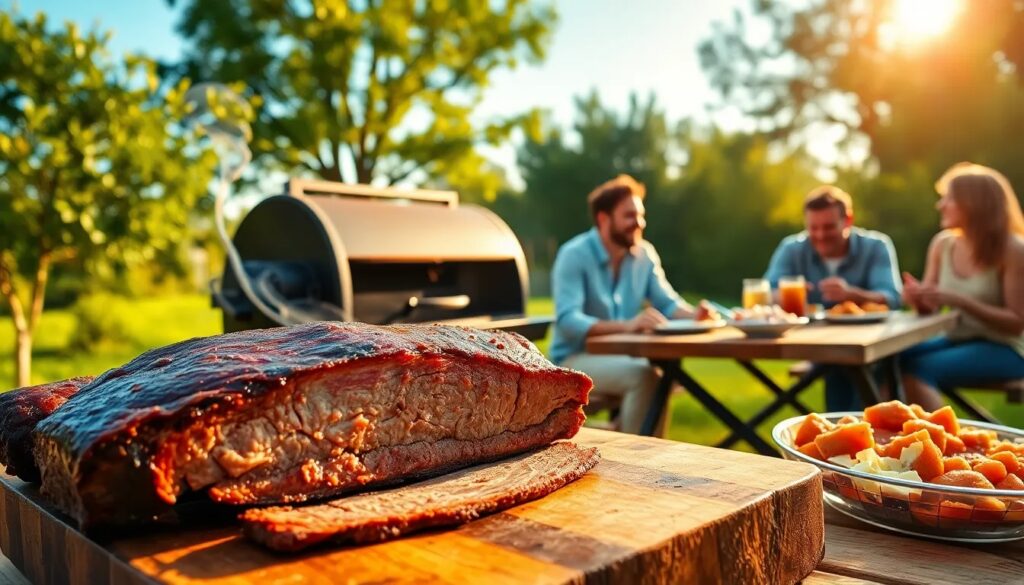
Smoking brisket is an art that combines patience, technique, and the right tools to achieve that perfect flavor and texture. In this guide, we will explore the essentials of smoking brisket, focusing particularly on the Texas style, which is known for its robust flavors and tender meat. Whether you're a novice or a seasoned pro, these tips and techniques will help you master this delicious BBQ classic.
Understanding the fundamentals of smoking brisket is crucial for any BBQ enthusiast. From selecting the right cut to the proper smoking techniques, every step plays a significant role in achieving mouthwatering results.
Table of Contents
- What is smoking brisket and why is it popular?
- What tools are needed to smoke brisket?
- How to select the perfect brisket cut?
- How to trim a brisket for smoking?
- What are the best seasonings for smoking brisket?
- How long should you smoke a brisket?
- What is the best temperature for smoking brisket?
- How to wrap a brisket during the smoking process?
- How long to rest brisket after smoking?
- How to slice a brisket for serving?
- What to serve with smoked brisket?
- Tips for achieving the best smoked beef brisket?
- Variations of smoked brisket recipes?
- Related questions about smoking brisket
What is smoking brisket and why is it popular?
Smoking brisket refers to the process of cooking brisket at low temperatures over an extended period, allowing the meat to absorb smoky flavors while breaking down tough connective tissues. This technique is especially popular in Texas, where brisket is a staple at BBQ gatherings and competitions.
The popularity of smoking brisket lies in its rich flavor and tender texture. When done correctly, the brisket develops a beautiful bark that enhances its taste, while remaining juicy on the inside. It’s a dish that embodies the spirit of BBQ culture, bringing people together over a shared love of good food.
Moreover, smoking brisket allows for a great deal of creativity. Each pitmaster has their own unique approach, from the choice of wood to the type of rub used. This versatility contributes to the ongoing passion for smoking brisket.
What tools are needed to smoke brisket?
To successfully smoke brisket, you need a few key tools that will streamline the process and enhance your results. Here are the essentials:
- Smoker: Choose a quality smoker, whether it’s an offset, pellet, or electric smoker.
- Meat thermometer: This ensures you can monitor the internal temperature accurately.
- Wood pellets or chunks: Select your preferred wood for smoking; options include hickory, oak, or mesquite.
- Butcher paper: For wrapping the brisket during the stall phase to retain moisture.
- Sharp knives: Necessary for trimming and slicing the brisket.
Having the right tools not only makes the process easier but also contributes to the overall quality of the smoked brisket. Investing in good equipment is essential for achieving consistent results.
How to select the perfect brisket cut?
Selecting the right brisket cut is vital for a successful smoke. Look for a brisket that has a good amount of marbling. This fat content will help keep the meat moist during the long cooking process.
When shopping, aim for cuts labeled as Choice or Prime. These grades tend to have better marbling and flavor. Additionally, consider the size; a whole packer brisket typically weighs between 10-20 pounds, perfect for smoking at home.
Another important factor is the flat and point of the brisket. The point is the thicker end, which has more fat, while the flat is leaner. Both parts can be cooked together for a well-rounded dish.
How to trim a brisket for smoking?
Trimming the brisket is a crucial step that can greatly affect the final product. Start by removing any large chunks of fat, particularly from the top and sides, while leaving about 1/4 inch of fat for flavor.
You should also remove the silver skin — a tough membrane that can hinder tenderness. A sharp knife is essential for this task, ensuring clean cuts without damaging the meat.
Proper trimming not only enhances flavor but also allows for better smoke penetration, leading to a more flavorful brisket. Take your time with this step; it can make all the difference in your final results.
What are the best seasonings for smoking brisket?
When it comes to seasoning brisket, simplicity is often best. A basic rub typically consists of salt, black pepper, and optionally, garlic powder. This combination allows the natural flavors of the meat to shine through while adding a savory crust.
For those looking to experiment, consider incorporating other spices like paprika, cumin, or cayenne for a bit of heat. Sprinkling some brown sugar can also enhance the bark and add a touch of sweetness.
It's recommended to apply the rub at least 24 hours before smoking. This allows the seasonings to penetrate the meat, resulting in a deeper flavor profile.
How long should you smoke a brisket?
The smoking duration for brisket can vary based on the size of the cut and the temperature at which you are smoking. Generally, you should plan to smoke brisket for about 12 to 18 hours.
At a steady temperature of 225°F, a good rule of thumb is to allow approximately 1 to 1.5 hours of cook time per pound of brisket. This slow cooking process ensures that the connective tissues break down, resulting in tender meat.
Keep an eye on the internal temperature. Most experts recommend pulling the brisket off the smoker at an internal temperature of around 195°F to 205°F for optimal tenderness.
What is the best temperature for smoking brisket?
The ideal temperature for smoking brisket is around 225°F. This low-and-slow approach allows the meat to cook evenly while absorbing smoke flavors.
Some pitmasters prefer to start at a higher temperature (around 250°F) to get the meat cooking quickly, then lower it down once the brisket has a nice bark. However, maintaining a consistent temperature is key to achieving the best results.
Using a good quality thermometer will help you monitor the smoker’s temperature as well as the brisket’s internal temperature, ensuring everything is on track.
How to wrap a brisket during the smoking process?
Wrapping your brisket during the smoking process is an important step that can help maintain moisture. This is typically done during the stall phase when the internal temperature plateaus.
Using butcher paper or aluminum foil, wrap the brisket tightly. Butcher paper is often preferred as it allows the meat to breathe while retaining moisture, leading to a great bark texture.
Wrap the brisket once it reaches about 160°F, and then return it to the smoker until it hits the desired internal temperature. This method can help speed up cooking time and enhance flavor.
How long to rest brisket after smoking?
Resting the brisket after smoking is a crucial step that should not be skipped. Ideally, let the brisket rest for at least 30 minutes before slicing. This resting period allows the juices to redistribute throughout the meat.
For best results, wrap the brisket in a towel and place it in a cooler or an insulated container. This helps keep it warm while allowing for proper resting.
This resting time will result in a more tender and juicy brisket, enhancing the overall eating experience.
How to slice a brisket for serving?
Slicing brisket correctly is essential for presentation and texture. Start by identifying the grain of the meat; you want to slice against it to ensure tender bites.
Using a sharp knife, make even slices about 1/4 inch thick. This will help maintain the integrity of the meat and enhance tenderness. Don’t forget to slice both the flat and point portions separately, as they have different textures.
For an added touch, consider serving the slices with the remaining juices or sauce to keep them moist and flavorful.
What to serve with smoked brisket?
Smoked brisket pairs wonderfully with a variety of sides. Classic choices include:
- Coleslaw: A refreshing contrast to the rich meat.
- Potato salad: Creamy and flavorful, it complements brisket perfectly.
- Pickles: Their acidity cuts through the richness of the brisket.
- BBQ beans: A smoky, hearty side that enhances the overall meal.
Consider serving the brisket with some homemade BBQ sauce for those who prefer an extra kick of flavor. With the right sides, smoking brisket becomes a complete and satisfying meal.
Tips for achieving the best smoked beef brisket?
To achieve the best smoked beef brisket, consider the following tips:
- Patience is key: Don’t rush the process; low and slow is the way to go.
- Monitor your temperature: Use a reliable thermometer for both the smoker and the meat.
- Experiment with wood: Different woods impart different flavors, so find what you love.
- Keep the smoker closed: Avoid frequent opening to maintain consistent temperatures.
Each of these tips contributes to the quality of your smoked brisket, helping you perfect your technique over time.
Variations of smoked brisket recipes?
While Texas-style smoked brisket is a classic, there are many variations you can try to mix things up. Consider these options:
- Brisket burnt ends: Cut the point into cubes, season, and return to the smoker for a caramelized treat.
- BBQ brisket sandwiches: Slice the brisket and serve on a bun with coleslaw and sauce.
- Brisket tacos: Shred the brisket and serve with tortillas, avocado, and salsa.
- Smoked brisket chili: Use leftover brisket to create a hearty chili filled with flavor.
Exploring these variations can keep your BBQ sessions exciting and introduce new flavors to your table.
What is the 3 2 1 rule for brisket?
The 3 2 1 rule is a popular smoking method primarily for ribs, but it can also be adapted for brisket. This technique involves smoking the meat for 3 hours, wrapping it in foil for 2 hours, and then unwrapping it for the final hour to develop a crust. While brisket typically requires longer cooking times, understanding this method can help you create tender and flavorful results if you choose to apply it.
How long will a brisket smoke at 225?
At a temperature of 225°F, you can expect brisket to take approximately 1 to 1.5 hours per pound to smoke. For example, a 10-pound brisket could take anywhere from 10 to 15 hours. Always rely on your meat thermometer to ensure that the brisket reaches the desired internal temperature of around 195°F to 205°F for optimal tenderness.
What is the 4 2 10 rule brisket?
The 4 2 10 rule for brisket suggests smoking the brisket for 4 hours, wrapping it for 2 hours, and allowing it to rest for 10 hours. This method is less common but can be useful for achieving a tender texture while enhancing the smoky flavor. The key is to monitor temperatures closely to ensure the brisket maintains its juiciness throughout the cooking process.
What is the secret to the perfect smoked brisket?
The secret to perfect smoked brisket lies in several factors: selecting a quality cut of meat, maintaining a consistent low temperature, and allowing for sufficient resting time after cooking. Additionally, employing proper seasoning and wrapping techniques will enhance flavor and texture. Ultimately, patience and practice are crucial; the more you smoke brisket, the better your skills will become.
If you want to know other articles similar to Smoking brisket: the ultimate guide you can visit the category BBQ Techniques and Styles.


More embers