

Pulled pork smoker bbq guide
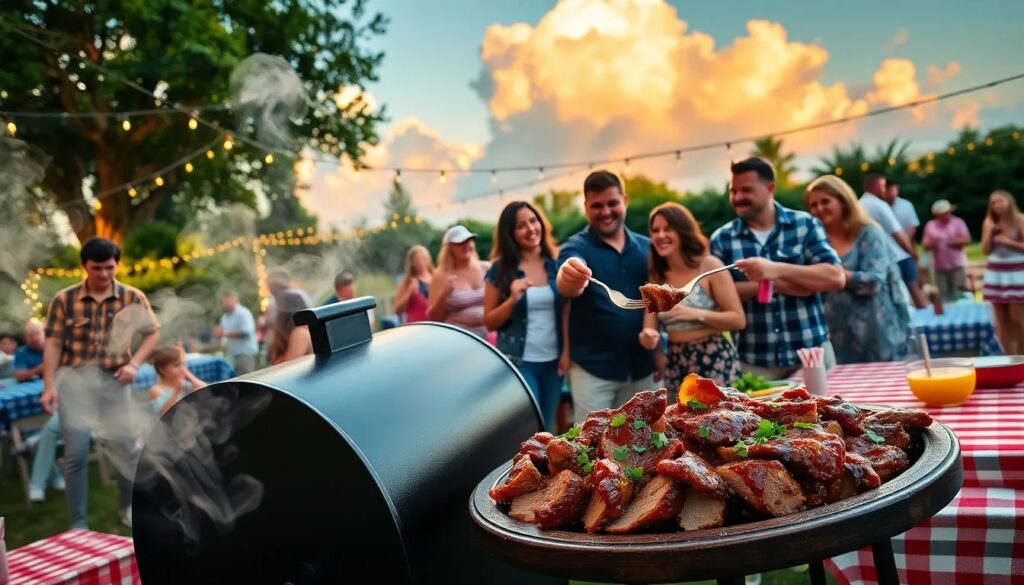
Smoking pulled pork is a time-honored tradition that elevates any BBQ gathering. With the right ingredients and techniques, you can create mouthwatering pulled pork that is perfect for any occasion. This guide emphasizes the importance of proper smoking techniques and the right cuts of meat, ensuring a delicious outcome every time.
In this article, we will explore how to make the perfect pulled pork smoker BBQ, covering everything from ingredients to techniques, ensuring that even beginners can achieve tasty results.
Table of Contents
- How to make the perfect pulled pork smoker bbq?
- What ingredients do you need for smoked pulled pork?
- How long does it take to smoke a pork butt?
- What is the Texas crutch in pulled pork smoking?
- How to overcome the stall when smoking pulled pork?
- What are the best woods for smoking pulled pork?
- How to store and reheat leftover smoked pulled pork?
- Related questions about pulled pork smoking
How to make the perfect pulled pork smoker bbq?
To create a flavorful pulled pork smoker BBQ, start with quality meat. A bone-in pork shoulder or Boston butt is ideal, as it provides enough fat to keep the meat tender and juicy during the smoking process. The key steps involve seasoning, smoking, and resting the meat for maximum flavor.
Begin by applying a dry rub to your pork, which typically includes ingredients like brown sugar, paprika, garlic powder, and cumin. This will create a flavorful crust known as the bark when smoked. Let the rub sit for at least an hour, or overnight in the refrigerator for deeper flavor.
Next, smoke the pork shoulder at a consistent temperature of 225°F. This low and slow method allows the fat to break down and the flavors to meld beautifully. Aim for a smoking duration of about 1.5 to 2 hours per pound of meat. Remember, patience is key when it comes to smoking.
What ingredients do you need for smoked pulled pork?
Preparing smoked pulled pork requires just a few essential ingredients:
- Pork shoulder or Boston butt: This cut offers enough fat and flavor for the best results.
- Dry rub: A mixture of spices that adds depth and enhances the flavor profile.
- Mustard: Acts as a binder for the rub, helping it to stick to the meat.
- BBQ sauce: For serving, choose a sauce that complements the smoky flavor.
- Wood chips: Hickory, apple, or cherry woods work well for smoking.
Each ingredient plays a crucial role in the overall taste of your pulled pork. The dry rub, for instance, forms a beautiful bark while the wood chips impart a distinctive smoky flavor that enhances the meat.
For added flavor, some pitmasters suggest injecting the pork shoulder with a marinade before applying the rub. This technique can infuse the meat with moisture and seasoning, enhancing the final dish.
How long does it take to smoke a pork butt?
The smoking time for a pork butt varies based on its weight and the smoking temperature. Generally, you can expect to smoke a pork butt at 225°F for about 1.5 to 2 hours per pound. For example, a 10-pound pork butt would take approximately 15 to 20 hours to smoke thoroughly.
It's essential to use a meat thermometer to check the internal temperature. The pork is done when it reaches an internal temperature of 195°F to 205°F, which allows for easy shredding. Remember, factors like outdoor temperature and your smoker's efficiency can affect cooking times.
What is the Texas crutch in pulled pork smoking?
The Texas crutch is a popular smoking technique that involves wrapping the meat in foil or butcher paper during the cooking process. This method helps to retain moisture and speed up cooking time, ultimately allowing the meat to reach the desired temperature faster.
Using the Texas crutch is particularly helpful during what is known as "the stall," when the internal temperature of the pork stops rising for an extended period. Wrapping the pork helps to overcome this stall and ensures a tender, juicy result.
However, some purists prefer not to use this method, as wrapping can soften the bark. If you choose to forgo the Texas crutch, be prepared for a longer smoking time, but the resulting bark will be worth the wait.
How to overcome the stall when smoking pulled pork?
Overcoming the stall is a common challenge in smoking pulled pork. When the internal temperature of the meat hovers around 150°F to 160°F, it may seem like progress has halted. This plateau is caused by the moisture evaporating from the meat's surface, which cools it down.
There are several strategies to overcome the stall:
- Wrap the meat: Using the Texas crutch can help maintain moisture and speed up the cooking process.
- Increase the smoker temperature: If you're comfortable with a slightly higher temperature, raising it to 250°F can help push through the stall.
- Patience: Sometimes, the best approach is to simply wait it out. The stall will eventually pass, and the meat will continue to rise in temperature.
Having a reliable meat thermometer can help you monitor the temperature closely, easing your mind during this critical phase of the smoking process.
What are the best woods for smoking pulled pork?
The choice of wood is vital in achieving the perfect smoked pulled pork flavor. Each type of wood imparts its unique flavor profile:
- Hickory: Offers a strong, smoky flavor that pairs well with pork.
- Applewood: Provides a milder and slightly sweet flavor, perfect for those who prefer a subtle smoke.
- Cherrywood: Similar to apple but deeper and richer, enhancing the color of the meat.
- Pecan: A blend of hickory and cherry flavors, making it a versatile choice.
- Mesquite: Produces a strong flavor, ideally used in moderation or mixed with lighter woods.
Experimenting with different wood combinations can lead to exciting flavor discoveries, so don’t hesitate to try new woods to find your perfect profile.
How to store and reheat leftover smoked pulled pork?
Storing leftover smoked pulled pork properly is essential to maintain its flavor and texture. Once your pulled pork has cooled, place it in an airtight container or seal it in a freezer bag. If stored correctly, it can last in the refrigerator for up to four days or in the freezer for several months.
When it comes to reheating, do so gently to avoid drying it out. The best method is to warm it in a covered dish in the oven at a low temperature of 250°F. Adding a splash of BBQ sauce or broth can help keep it moist. Alternatively, you can microwave individual portions, but be cautious not to overheat.
For a delicious meal, consider serving reheated pulled pork on a fresh bun with coleslaw and additional BBQ sauce. It's a fantastic way to enjoy your leftovers!
How long does it take to do pulled pork on a smoker?
The time required to smoke pulled pork can vary significantly based on the size of the meat and the smoker's temperature. Typically, you should plan for around 1.5 to 2 hours per pound when smoking at 225°F. Using a meat thermometer is crucial to ensure that the pork reaches the desired internal temperature of 195°F to 205°F for optimal tenderness.
How long to smoke pulled pork at 225 degrees?
Smoking pulled pork at 225 degrees Fahrenheit generally takes about 1.5 to 2 hours per pound. Therefore, a 10-pound pork butt will need approximately 15 to 20 hours to smoke adequately. It’s important to monitor the temperature closely and consider factors like outdoor conditions and smoker performance, which can affect cooking times.
What is the 3 2 1 method for pulled pork?
The 3 2 1 method is a popular smoking technique that involves three stages: smoking the pork for three hours unwrapped, then wrapping it in foil for two hours, and finally unwrapping it for one last hour of smoking. This method helps to develop a flavorful bark while also keeping the meat moist during the cooking process. It is especially effective for larger cuts of meat, like pork butts or ribs.
What is the best cut of meat for smoked pulled pork?
The best cuts of meat for making smoked pulled pork are pork shoulder or Boston butt. These cuts contain ample fat and connective tissue, which break down during the long smoking process, resulting in tender, flavorful meat. The bone-in versions are often preferred as they enhance the flavor and help maintain moisture during cooking.
For a delicious and memorable BBQ experience, mastering the art of smoked pulled pork is essential. With the right techniques and ingredients, you can create a dish that will impress everyone at your next gathering.
If you want to know other articles similar to Pulled pork smoker bbq guide you can visit the category BBQ Recipes and Marinades.


More embers