

Brisket recipe smoker for perfect results
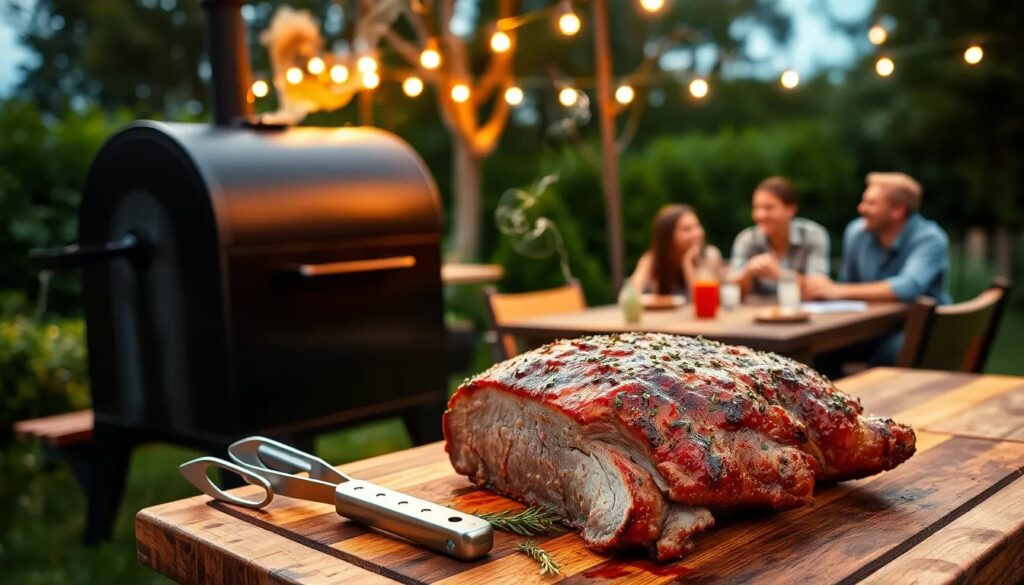
If you're looking for the ultimate guide to perfect smoked brisket, you've come to the right place. Smoking brisket is a time-honored tradition that combines skill, patience, and the right techniques to create tender, juicy results. In this article, we will delve into the essential components of a brisket recipe smoker, ensuring that you can master this BBQ delicacy.
From selecting the ideal brisket to the final resting phase, every step matters in producing Texas-style smoked brisket that will impress your family and friends. Let's explore the key elements that will help you achieve that unbeatable flavor and texture.
Table of Contents
- What is the best brisket recipe smoker?
- What tools do you need to smoke brisket?
- How do you select the right brisket?
- How do you trim a brisket for smoking?
- What is the best way to season your brisket?
- How long should you smoke a brisket?
- How do you rest and slice a brisket?
- What should you serve with smoked brisket?
- Frequently asked questions about brisket smoking
What is the best brisket recipe smoker?
Choosing the right smoker can significantly impact your brisket results. A quality brisket recipe smoker should provide consistent heat and allow for temperature control. Many BBQ enthusiasts prefer using offset smokers, vertical smokers, or pellet smokers due to their ability to maintain low temperatures over long periods.
Offset smokers utilize wood logs for heat, offering a traditional smoking experience. Vertical smokers are compact and often easier to manage, while pellet smokers provide a user-friendly option with digital controls. Regardless of the type, ensure that your smoker is well-insulated to maintain temperature stability.
Here are a few features to look for in a smoker:
- Good insulation for temperature retention
- Adjustable vents for airflow control
- A reliable meat thermometer for accurate readings
- Space for wood chips or pellets for flavor
What tools do you need to smoke brisket?
Smoking brisket requires specific tools to ensure successful results. Having the right equipment will make the process smoother and enhance your overall experience. Here’s a list of essential tools you need:
- Smoker: Choose one that fits your style and budget.
- Meat thermometer: To monitor internal temperatures accurately.
- Butcher paper: For wrapping the brisket during the cooking process to retain moisture.
- Wood pellets or chips: Select your preferred type for flavor, such as hickory or oak.
- Sharp knife: For trimming and slicing the brisket.
These tools are fundamental for achieving a brisket recipe smoker that delivers tender and juicy results. Having everything ready will allow you to focus on the smoking process.
How do you select the right brisket?
When selecting brisket, look for a cut that has good marbling, which contributes to flavor and tenderness. The best choices are often found in the Choice or Prime grade categories. A well-marbled brisket will yield a more flavorful and moist result after smoking.
Consider the thickness of the brisket as well. A thicker cut will take longer to cook but will be more forgiving during the smoking process. Also, examine the pliability; a brisket that bends easily when lifted is usually a good candidate for smoking.
Before purchasing, don't hesitate to ask your butcher for recommendations on the best brisket cuts available. They can often provide insight into which pieces will yield the best results based on your smoking methods.
How do you trim a brisket for smoking?
Trimming your brisket is essential for optimal cooking. Start by removing any large chunks of fat from the surface, which can prevent the seasoning from penetrating the meat. Aim to leave about a quarter-inch of fat cap for added flavor during the smoking process.
Pay attention to the "point" and "flat" sections of the brisket. The flat is leaner, while the point is fattier and more flavorful. A good trim will enhance the balance between the two sections, allowing for even cooking.
Utilize a sharp knife and take your time during this step. Proper trimming can significantly impact the final taste and texture of your brisket, leading to a more enjoyable eating experience.
What is the best way to season your brisket?
Seasoning is crucial for enhancing the natural flavors of the brisket. A simple yet effective rub typically consists of salt, black pepper, and optional garlic powder. This classic combination allows the meat's flavors to shine through.
For those looking to experiment, consider adding spices such as paprika, cayenne pepper, or even brown sugar for a touch of sweetness. Applying the rub the night before smoking allows the flavors to penetrate deeper into the meat, resulting in a more flavorful brisket.
Use a binder like mustard to help the rub adhere to the brisket. This technique adds moisture and enhances the bark formation during the smoking process. Make sure to coat the brisket evenly and allow it to sit at room temperature for about an hour before placing it in the smoker.
How long should you smoke a brisket?
The smoking time for brisket can vary greatly depending on the size of the cut and the temperature at which you’re cooking. Generally, you can expect to smoke a brisket at 225°F for anywhere between 12 to 18 hours.
One critical phase during the cooking process is known as the "stall." This occurs when the internal temperature of the brisket plateaus, making it seem like cooking has stopped. It’s essential to be patient during this stage; the meat will eventually break through this barrier and continue to cook.
Using a meat thermometer is invaluable during this time. Aim for an internal temperature of around 202°F for optimal tenderness. Once you reach this temperature, your brisket will be perfectly cooked and ready for the resting phase.
How do you rest and slice a brisket?
Resting your brisket after smoking is vital for achieving juicy results. Allow the meat to rest for at least 30 minutes, which helps the juices redistribute throughout the brisket, enhancing flavor and tenderness.
When slicing the brisket, always cut against the grain. This technique breaks up the muscle fibers, creating a more tender bite. Use a sharp knife to ensure clean cuts, which will also improve presentation.
Consider slicing the flat and point sections separately, as they have different textures. This method allows you to showcase the unique characteristics of each part of the brisket, offering a variety of tastes in every serving.
What should you serve with smoked brisket?
When it comes to pairing side dishes with your smoked brisket, the options are limitless. Classic accompaniments include:
- Coleslaw for a crunchy, refreshing contrast
- Potato salad to complement the richness of the meat
- Pickles and onions for a tangy bite
- BBQ sauce for an extra flavor kick
Consider serving your brisket with a side of cornbread or baked beans to create a full BBQ experience. Each of these sides enhances the delicious flavors of smoked brisket and makes for a delightful meal.
Frequently asked questions about brisket smoking
What is the 3 2 1 rule for brisket?
The 3 2 1 rule is a popular smoking technique that involves smoking the brisket for three hours, wrapping it in foil for two hours, and then unwrapping it to smoke for an additional hour. This method helps achieve tenderness while maintaining a flavorful bark. While this technique is more commonly associated with ribs, many BBQ enthusiasts adapt it for brisket smoking, especially for cuts that can benefit from added moisture during cooking.
How long does it take to cook a brisket in a smoker?
Cooking times can vary depending on the weight and thickness of the brisket, as well as the smoker's temperature setting. Generally, it can take anywhere from 12 to 18 hours to smoke a brisket at 225°F. It's crucial to be patient and use a meat thermometer to ensure the brisket reaches the desired internal temperature of 202°F for optimal tenderness.
What is the 4 2 10 rule brisket?
The 4 2 10 rule is another guideline for smoking brisket. It suggests smoking the brisket for four hours, wrapping it for two hours, and then allowing it to rest for 10 hours before serving. This approach is designed to enhance tenderness and flavor, although resting for 10 hours is not practical for most home cooks. The key takeaway is to ensure proper cooking time and resting for the best results.
What liquid to put in a smoker for brisket?
Adding liquid to your smoker can help maintain moisture and enhance flavor. Common choices include apple juice, beef broth, or water. Spritzing the brisket with a liquid during the smoking process can also help build a beautiful bark while keeping the meat moist. Experiment with different liquids to find the combination that complements your brisket and enhances its flavor profile.
For a visual guide, check out this video that provides additional tips on smoking brisket:
If you want to know other articles similar to Brisket recipe smoker for perfect results you can visit the category BBQ Recipes and Marinades.


More embers